After a seven-year closure, Iran announced Monday that it would reopen its embassy in Saudi Arabia this week — a major step toward softening a rivalry between the Middle East rivals with major consequences for the region, according to media reports.
The announcement, just one day before the embassy was set to reopen in the Saudi capital, Riyadh, came three months after the two Persian Gulf countries signed a China-mediated agreement announcing the restoration of ties and the planned reopening of embassies.
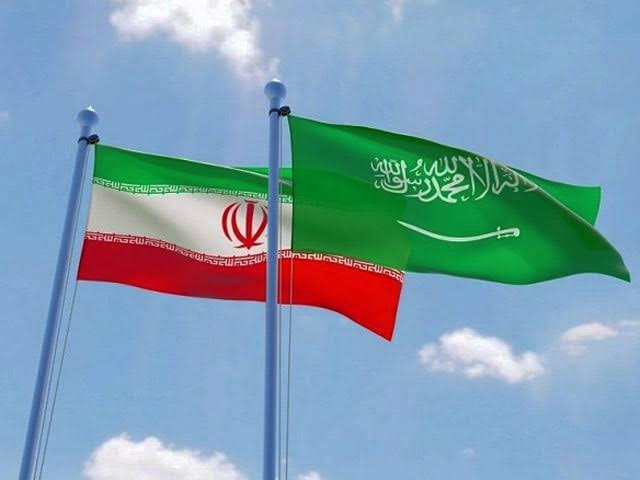
In March, Iran and Saudi Arabia agreed to re-establish relations between the regional rivals whose hostility had threatened stability and security in the Middle East and helped fuel regional conflicts from Yemen to Syria.
Iran has confirmed it will reopen its embassy in Saudi Arabia this week, seven years after it was closed due to a diplomatic rift.
In a short statement on Monday, the Iranian foreign ministry spokesman Nasser Kanani said Tehran’s embassy in Riyadh will be reopened on Tuesday, followed by the reopening of its consulate in Jeddah and its representative office with the Organisation of Islamic Cooperation a day later.
He said the embassy and the consulate had already started operating to facilitate pilgrimages for the Hajj and now they will “be officially reopened in the presence of the two countries’ foreign ministry officials”.
The embassy and consulate have already resumed their activities to help facilitate pilgrimages to Makkah, Saudi Arabia, Islam’s holiest site, said Nasser Kanaani.

Iranian authorities have since said the embassies had begun carrying out some practical work but needed more time to officially reopen because the buildings had been closed for years.
Tehran has selected Alireza Enayati, a former envoy to Kuwait and a foreign ministry deputy for regional affairs, as its envoy to Riyadh, Iranian state-linked media reported last month.
The missions had been closed since 2016, when Sunni-majority Saudi Arabia executed Shiite cleric Nimr Baqr al-Nimr, who had emerged as a leader in the restive, Shiite-majority Eastern Province. Iranians protesting his execution stormed and torched the Saudi Embassy in Tehran, prompting Riyadh to sever all diplomatic ties with Tehran.
Riyadh cut diplomatic relations with Tehran after its representative offices were stormed during demonstrations to protest against the execution of a Shia religious leader by the Sunni-majority kingdom.
The two regional powerhouses have been steadily reducing tensions in recent months, something they have said will help bolster security across the region.
Saudi Arabia often accuses Iran of sowing strife among the kingdom’s Shiite minority, and often accuses citizens of spying on Iran’s behalf, executing dozens over the years.
The rivalry ballooned, playing itself out in various conflicts in the region, including in Syria, Yemen and Lebanon. In 2019, tensions reached new levels when Yemen’s Iran-backed Houthi rebels launched a series of drone attacks on Saudi state-run oil giant Aramco, halving the kingdom’s oil output for days. Similar attacks have followed, the latest as recent as last summer.
Riyadh accuses Tehran of arming the Houthis, who have waged a war against a Saudi-led coalition that seeks to restore Yemen’s government.
Iran is not the only country Saudi Arabia has patched up relations with recently: In April, Riyadh announced that it would re-establish ties with Syria, and has fast-tracked peace negotiations with Yemen’s Houthis.






 United Arab Emirates Dirham Exchange Rate