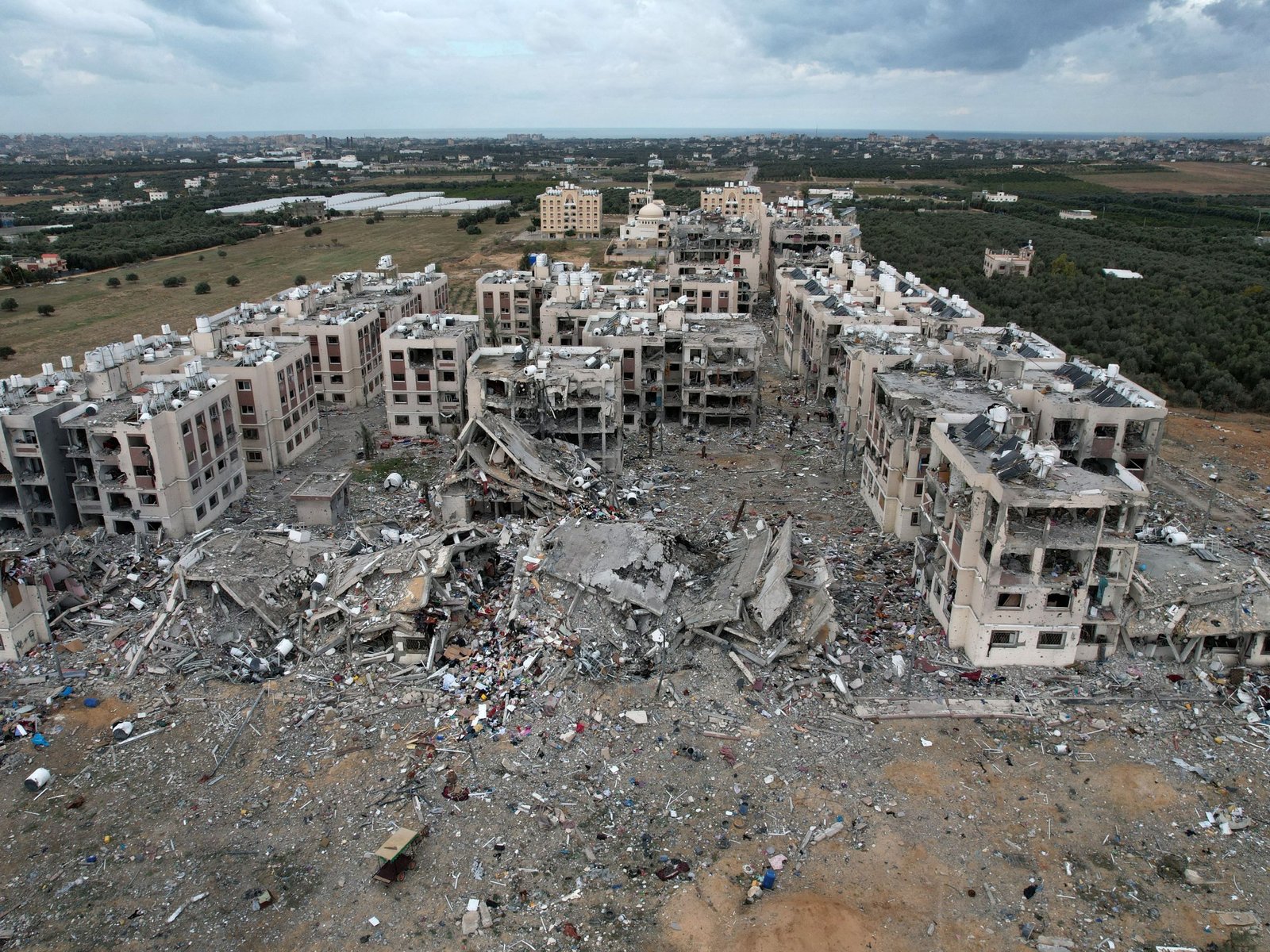
It was just days into Israel’s bombardment of the Gaza Strip when a grave warning rang out.
United Nations experts had sounded the alarm that Palestinians in Gaza faced a risk of genocide. The Israeli army was battering the coastal enclave, forcing most of the population from their homes and imposing a stringent blockade barring food, water and other supplies from getting in.
More warnings have since followed alongside calls for the international community to act.
Now, as the International Court of Justice (ICJ) is set to hear a case alleging Israel is committing genocidal acts in Gaza, global attention is again focused on what can — or should — be done to stop the war and prevent crimes like genocide.
South Africa, the country that brought the case to the ICJ, invoked in its decision an “obligation to prevent genocide” as a signatory to the United Nations Genocide Convention — something experts say is a critical step in such cases.
“Genocide is seen as having under international law this special character that it’s relevant to everyone,” explained Mark Kersten, assistant professor of criminology and criminal justice at University of the Fraser Valley in Canada.
“What South Africa is saying, amongst many other things, is that it has the obligation to prevent genocide under the Genocide Convention and therefore the obligation to do something about what it sees as genocide in Gaza,” he told media.




 United Arab Emirates Dirham Exchange Rate