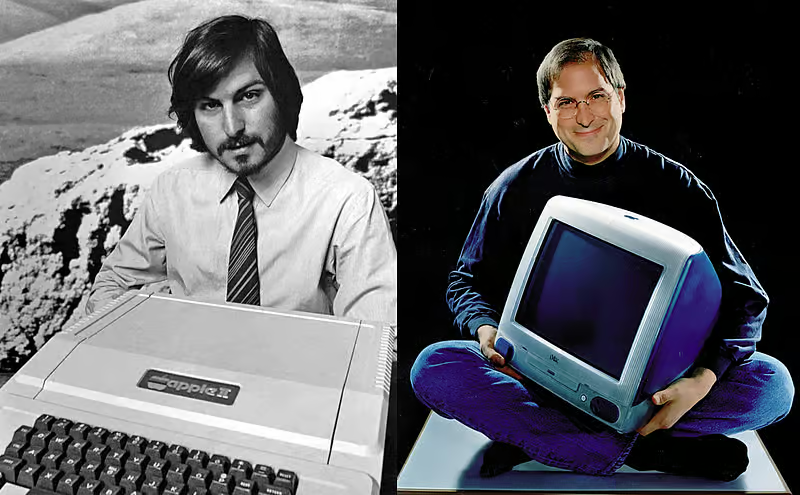
From the Apple II to the iPhone and Apple Watch, a look at the devices that didn’t just launch new categories—but rewired consumer behaviour for generations.
CUPERTINO — Apple turns 50 on April 1, marking five decades of a company that has repeatedly changed what people expect from technology in their everyday lives.
While it’s tempting to simply list product launches and keynote moments, the real story lies not in what Apple made, but in what those products made us do differently. From how we work and listen to music, to how we communicate and even wear technology, Apple’s biggest breakthroughs rewired consumer behaviour at scale.
Here are the moments that mattered most.
Apple II: Making Computers Personal (1977)
Before laptops sat on every desk and café table, computers were intimidating, expensive machines reserved for businesses and hobbyists. The Apple II, launched in 1977, changed that.
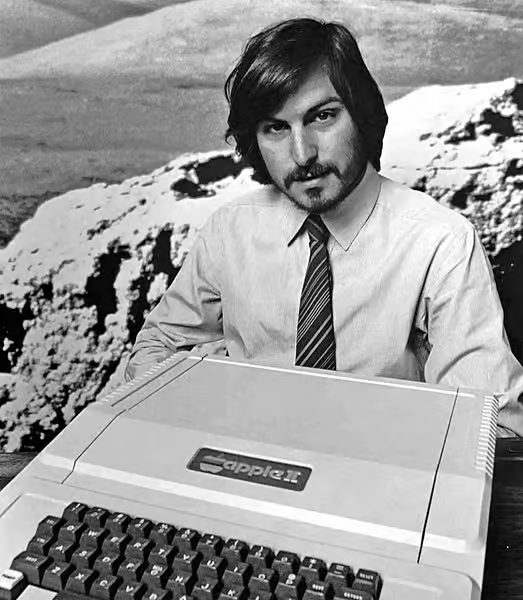
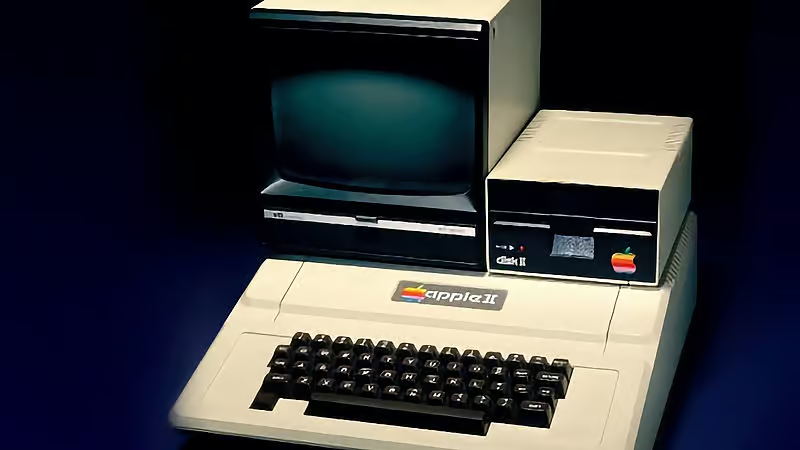
Though it was one of three landmark personal computers released that year—alongside the Commodore PET 2001 and the TRS-80—the Apple II was the only one to achieve widespread success. Suddenly, computing felt accessible. Schools and households adopted it, and for many, it became their first interaction with a machine that didn’t require a manual thicker than the hardware itself. The idea of a “personal computer” wasn’t obvious until Steve Wozniak and Steve Jobs made it feel normal.
Macintosh: Changing How We Interact with Machines (1984)
If the Apple II brought computers home, the Macintosh changed how people actually used them. Graphical user interfaces, icons, and the mouse—features now considered standard—weren’t mainstream before 1984.
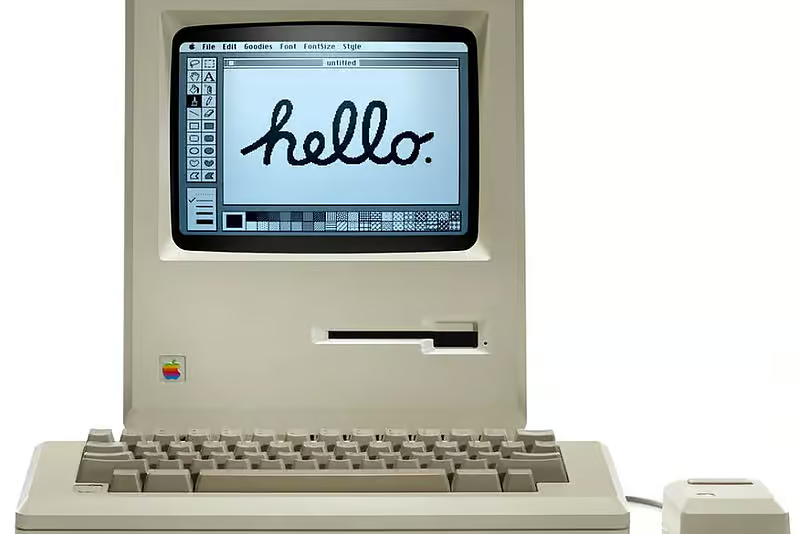
With the Macintosh, you no longer needed to memorise commands. You could point, click, and figure things out as you went. It sounds basic now, but this shift turned computing from a technical skill into an everyday activity.
iMac: Making Tech a Lifestyle Choice (1998)
By the late 1990s, personal computers were functional but uninspiring—boxes with little personality. In Steve Jobs’ famous words at a 1998 presentation: “These things are ugly.”
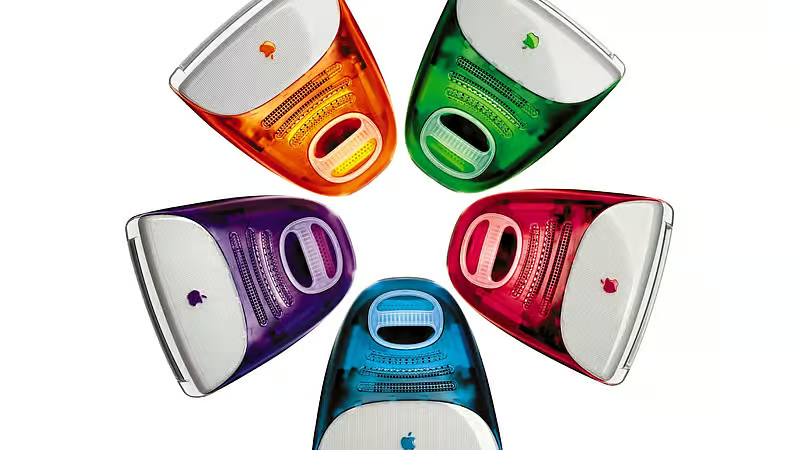
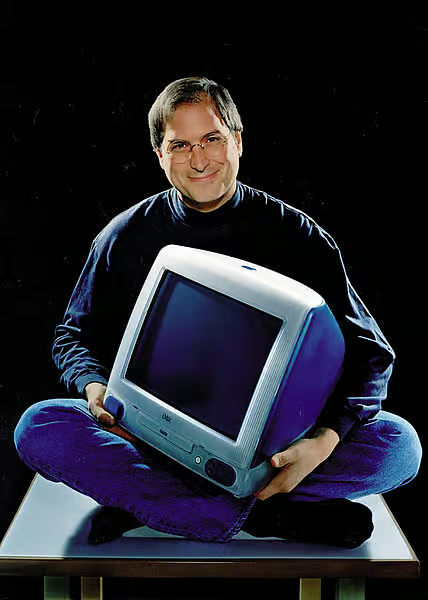
The iMac changed that. With its translucent, colourful casing, the iMac turned technology into something people wanted to display. It marked the beginning of consumer electronics doubling as lifestyle products, focusing on design as much as functionality.
iPod: Changing How We Owned Music (2001)
Music used to be physical—CDs, mixtapes, shelves full of albums. The iPod, launched in 2001, changed that forever. “1,000 songs in your pocket” was more than a tagline; it was a revolution.
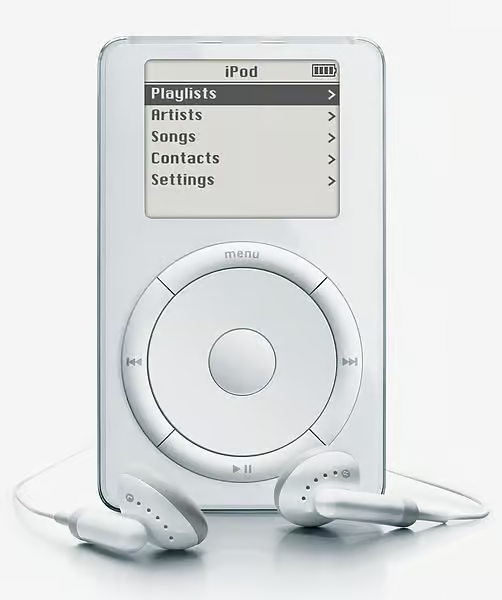
The iPod led the way for playlists and portable listening experiences, laying the groundwork for what would eventually become streaming culture. In 2022, Apple discontinued the iPod, closing the chapter on a device that reshaped the music industry.
iPhone and App Store: Redefining the Phone (2007–08)
It’s hard to overstate what the iPhone did when it launched in 2007. Smartphones existed, but the iPhone changed what a phone could be—combining communication, internet, camera, entertainment, and computing into a single device.
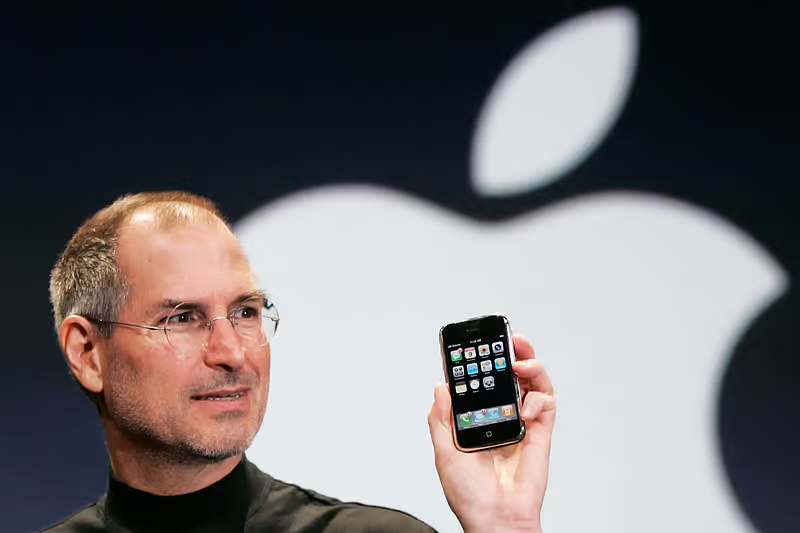
While the iPhone was the hardware breakthrough, the real behavioural shift came with the App Store in 2008. It turned software into something you could download instantly, often for free or at low cost. More importantly, it created entire industries built around the idea that services should be available on demand. Today’s app-driven world traces directly back to this moment.
AirPods: Normalising Always-On Audio (2016)
When Apple removed the headphone jack, it sparked backlash. But the launch of AirPods in 2016 pushed the world into a wireless future. The small white earbuds quickly became ubiquitous—during commutes, calls on the go, and workouts.
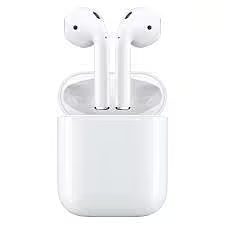
AirPods inspired a behavioural shift toward constant audio. Earbuds became an extension of the phone and, for many, rarely left people’s ears.
Apple Watch: Making Health Tracking Mainstream (2015)
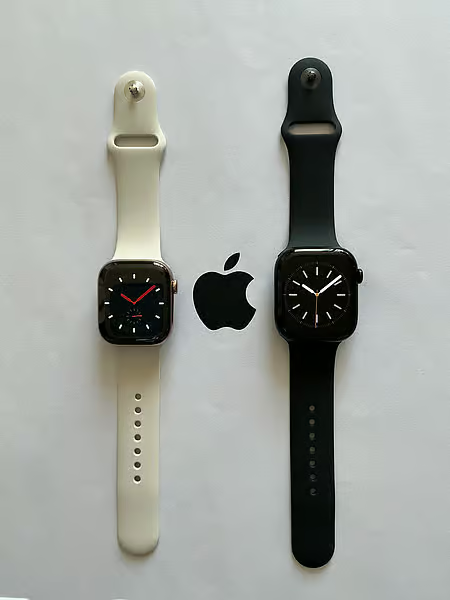
Wearables existed before the Apple Watch, but the 2015 launch made them part of everyday life. With step tracking, heart rate monitoring, ECG features, and an expanding suite of health tools, the Apple Watch turned health data into something users checked as casually as notifications. It reframed the smartwatch from a tech accessory into a wellness tool.
Looking Ahead
As Apple turns 50, its legacy is clear. The company didn’t always invent categories, but it consistently redefined them in ways that changed user behaviour at scale. From the Apple II to the iPhone and beyond, the breakthrough has been making technology feel intuitive enough that people adapt their lives around it.
And while some argue Apple isn’t the same company it once was, the challenge at 50 isn’t just to launch the next big product—it’s to once again change what people expect from the ones they already use.







 United Arab Emirates Dirham Exchange Rate