The unprecedented convergence of internal and external pressures makes these protests distinct.
Protests are nothing new in Iran. Since the 1979 Islamic revolution, the sanctions-hit country has been rocked by repeated waves of demonstrations.
However, experts say the current deadly upheaval is unprecedented, due to a potent mix of rising domestic pressures and aggressive threats from the United States – leaving Iran’s leaders with fewer options on what to do next.
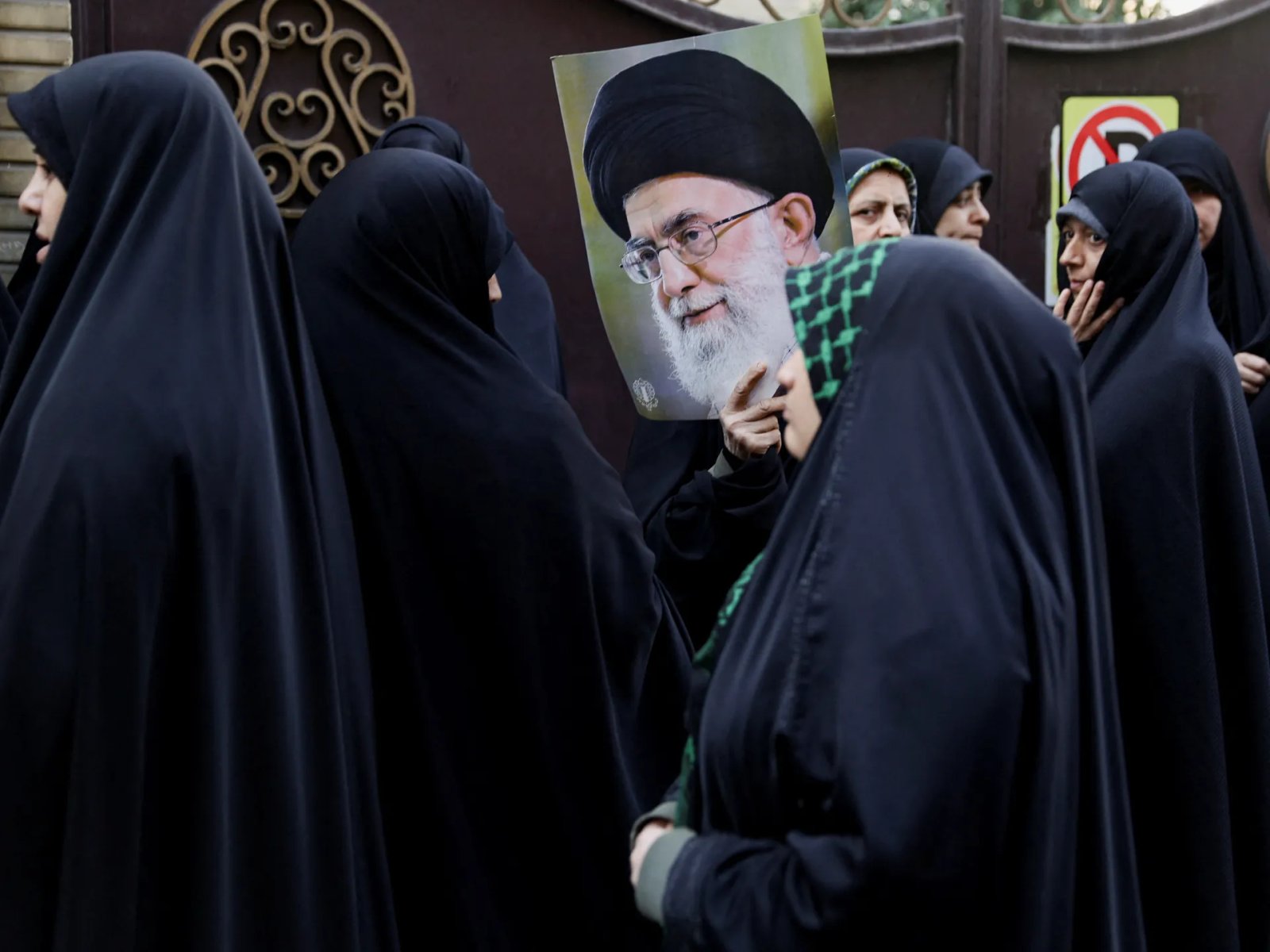
What started on December 28 with shopkeepers protesting at Tehran’s Grand Bazaar over the Iranian currency’s loss of value quickly morphed into nationwide demonstrations that attracted an unusually broad social coalition.
The record slump in value of the Iranian rial was just the latest in a long line of crises – from water shortages and electricity outages to rising unemployment and rampant inflation that has long swallowed families’ income.
The reimposition of punishing US sanctions in 2018 made daily life harder for millions of Iranians, with many losing confidence in the authorities’ capacity to improve the economy and crack down on mismanagement and corruption.
The situation has been compounded by US President Donald Trump, who, in June, ordered air attacks on Iran’s nuclear facilities, and is now loudly threatening to attack Iran again, claiming his aim is to “help” protesters.
“This is a much weaker economic situation, a much worse geopolitical circumstance for Iran, and dissent within the system itself is clearly at a different level,” said Trita Parsi, the executive vice president of the Quincy Institute.
Initially, the government attempted to address the grievances by rolling out a series of economic reforms. The changes included replacing the central bank governor and scrapping a preferential exchange rate for imports of certain basic goods, making a $7 monthly cash transfer instead.
Iran has released no official toll, but authorities say more than 100 security forces have been killed. Opposition activists say the death toll is much higher and it includes hundreds of protesters.
This is not the first time the government has resorted to harsh tactics. The difference, experts say, is that it seems unable to find a path forward, even if it succeeds in quelling the current round of dissent.
“I can’t do anything,” President Masoud Pezeskhian admitted on the eve of the protests, in reference to the country’s economic difficulties.
Government stuck
Past major upheavals have resulted in the government providing some benefits to the Iranians.
After mass protests in 2009, Iran showed flexibility by negotiating a nuclear deal with the West. Following protests driven by the state of the economy in 2019, authorities used the state’s coffers to continue handing out subsidies. And after the women-led mass protests in 2022, authorities loosened some social restrictions.
Iran is not only facing pressure from within. Its system of allies has been greatly weakened since Israel’s multi-front regional wars starting in 2023, while a 12-day conflict with Israel left the country’s defence capabilities in a diminished state.
With the shadow of a potential US military intervention looming large, Iranian authorities see the protests as more than just an internal matter.
“There is a widespread view within the system that this is being completely coordinated by the US and Israel, that this is the beginning of the next phase of the 12-day war,” said Parsi.
In June, tensions between Iran and Israel erupted into an all-out war, which ended with the US striking key nuclear sites in Iran. Since then, Israel has also made no secret of wanting another round of strikes against Tehran to finally see regime change there.
The sense of a looming external threat is such that the army – which rarely gets involved in domestic matters, as opposed to the more ideological Islamic Revolutionary Guard Corps – has issued a statement declaring its support for the government, adding that it will protect the country’s strategic infrastructure.
“The perception from Tehran is that they [Israeli authorities] are [attempting] to soften the ground for another war. That’s why the military is taking a position, because they see it as an existential threat,” Parsi said.
The US has made clear that strikes against Iran are an option. In an exclusive interview with media, Iranian Minister of Foreign Affairs Abbas Araghchi warned the US that his country is ready for war if Washington wants to “test” it.
It is not clear how and if Trump will attack, but his abduction of Venezuelan President Nicolas Maduro on January 3 shows he is increasingly willing to attack foreign countries and remove leaders, while leaving regimes largely intact.

 United Arab Emirates Dirham Exchange Rate