Kurdish forces reject withdrawal ultimatum, vowing to defend neighborhoods as clashes displace over 140,000 civilians and draw international concern.
ALEPPO, Syria – The Syrian army announced it would launch an operation to seize the last Kurdish-held district of Aleppo on Friday after Kurdish groups rejected a government ceasefire demand for their fighters to withdraw, setting the stage for renewed urban combat.
A short-lived ceasefire, declared overnight by the defense ministry, required Kurdish forces to pull out of the Sheikh Maksoud and Ashrafiyah districts and retreat to the Kurdish-held northeast—a move that would end their longstanding local control. Kurdish councils governing the areas dismissed the ultimatum as “a call to surrender” and pledged to defend their neighborhoods, accusing government forces of intensive shelling.
“The ceasefire efforts had failed,” two Syrian security officials told Reuters, confirming the army intends to take Sheikh Maksoud by force. The defense ministry said Kurdish-led strikes had killed three soldiers, while Kurdish security officials alleged a hospital was hit—a claim Damascus denied, stating the target was an arms depot.
The standoff underscores a major unresolved conflict within postwar Syria: the government’s push to centralize authority versus Kurdish aspirations for autonomy. Kurdish forces have controlled several Aleppo neighborhoods since early in the civil war, which began in 2011.
Humanitarian and Diplomatic Fallout
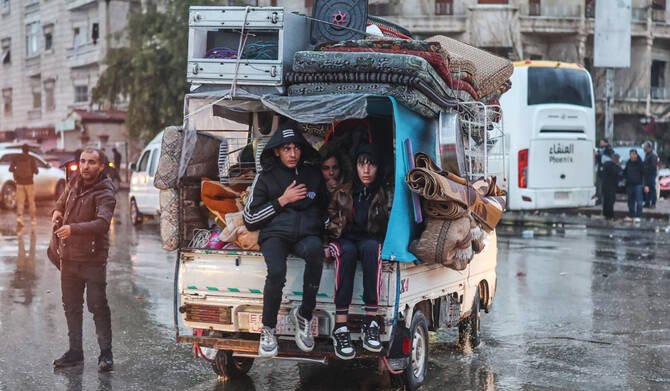
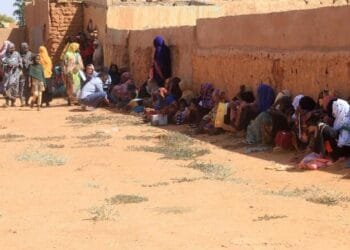
The violence has forced more than 140,000 residents to flee their homes and killed at least nine civilians. Internationally, France said it was working with the United States to de-escalate, with President Emmanuel Macron urging Syrian President Ahmed Al-Sharaa to “exercise restraint.” U.S. envoy Tom Barrack had welcomed the temporary ceasefire and was reportedly en route to Damascus to support mediation efforts.
Turkiye, which considers the Kurdish-led Syrian Democratic Forces (SDF) a terrorist group, warned of military action if the SDF does not honor a stalled integration agreement with Damascus.
Despite the tension, President Sharaa told Iraqi Kurdish leader Masoud Barzani that Kurds are “a fundamental part of the Syrian national fabric.” However, Kurdish councils expressed distrust, stating Damascus could not be trusted “with our security.”
The outcome in Aleppo may signal whether Syria can navigate its deep sectarian and ethnic divisions as it attempts reconstruction after years of devastating conflict.



 United Arab Emirates Dirham Exchange Rate