
Brenton Tarrant claims he was mentally unfit when he admitted to the 2019 mosque attacks, but his former legal team says he was clear-headed and determined to be convicted of terrorism.
WELLINGTON, New Zealand — The gunman who killed 51 worshippers in New Zealand’s worst mass shooting “wanted to be described as a terrorist” and was satisfied to plead guilty, his former lawyers testified Tuesday, contradicting his effort to withdraw his admissions.
Brenton Tarrant, 35, is asking the Court of Appeal to throw out the guilty pleas he entered in 2020, arguing that harsh prison conditions left him mentally unfit. If successful, the move could lead to a trial more than five years after the Christchurch mosque attacks.
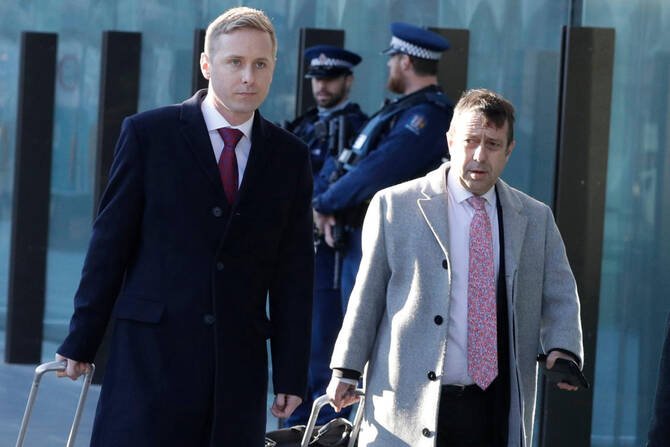
But lawyers who represented Tarrant during that period told the court he was lucid, deliberate, and even pleased to face a terrorism charge.
“He wanted to be described as a terrorist,” former counsel Jonathan Hudson said.
“Don’t worry, it won’t get that far”
Tarrant told the court Monday that he had intended to stand trial and mount a political defense — claiming he was “defending” New Zealand from immigration — before what he described as deteriorating mental health forced his hand.
His former lawyer Shane Tait disputed that account. He said he had explained to Tarrant that such a defense was not legally possible.
“Brenton, what am I going to tell the jury if we go to trial?” Tait recalled asking.
Tarrant replied, “Don’t worry, it won’t get that far.”
Both lawyers said Tarrant refused to let them negotiate away the terrorism charge, insisting it remain part of any guilty plea.
Appeal hinges on mental state and prison conditions
Tarrant, appearing via video link from prison pale and shaved-headed, claimed Monday that “nervous exhaustion” caused by solitary confinement, constant surveillance, and limited outside contact made his guilty plea involuntary.
His former legal team acknowledged they had complained about his initial prison conditions but said restrictions later eased. They did not believe his environment impaired his decision-making capacity when he pleaded guilty.
No witness so far has supported Tarrant’s claim that he was unfit to plead. Crown lawyers pointed out he had multiple chances to raise mental health concerns or seek a trial delay but did not.
Families voice anger and resilience
The hearing — the first public glimpse of Tarrant in years — was watched by survivors and victims’ families in Christchurch. Many expressed frustration that the gunman continues to engage the legal system.
“There’s definitely no remorse at all,” said Rashid Omar, whose son Tariq was murdered. “We are very, very strong. We’re not going to be bullied by him.”
The Court of Appeal’s decision is expected later. If judges reject Tarrant’s bid to withdraw his pleas, a separate hearing will consider his appeal against his sentence of life imprisonment without parole.







 United Arab Emirates Dirham Exchange Rate