
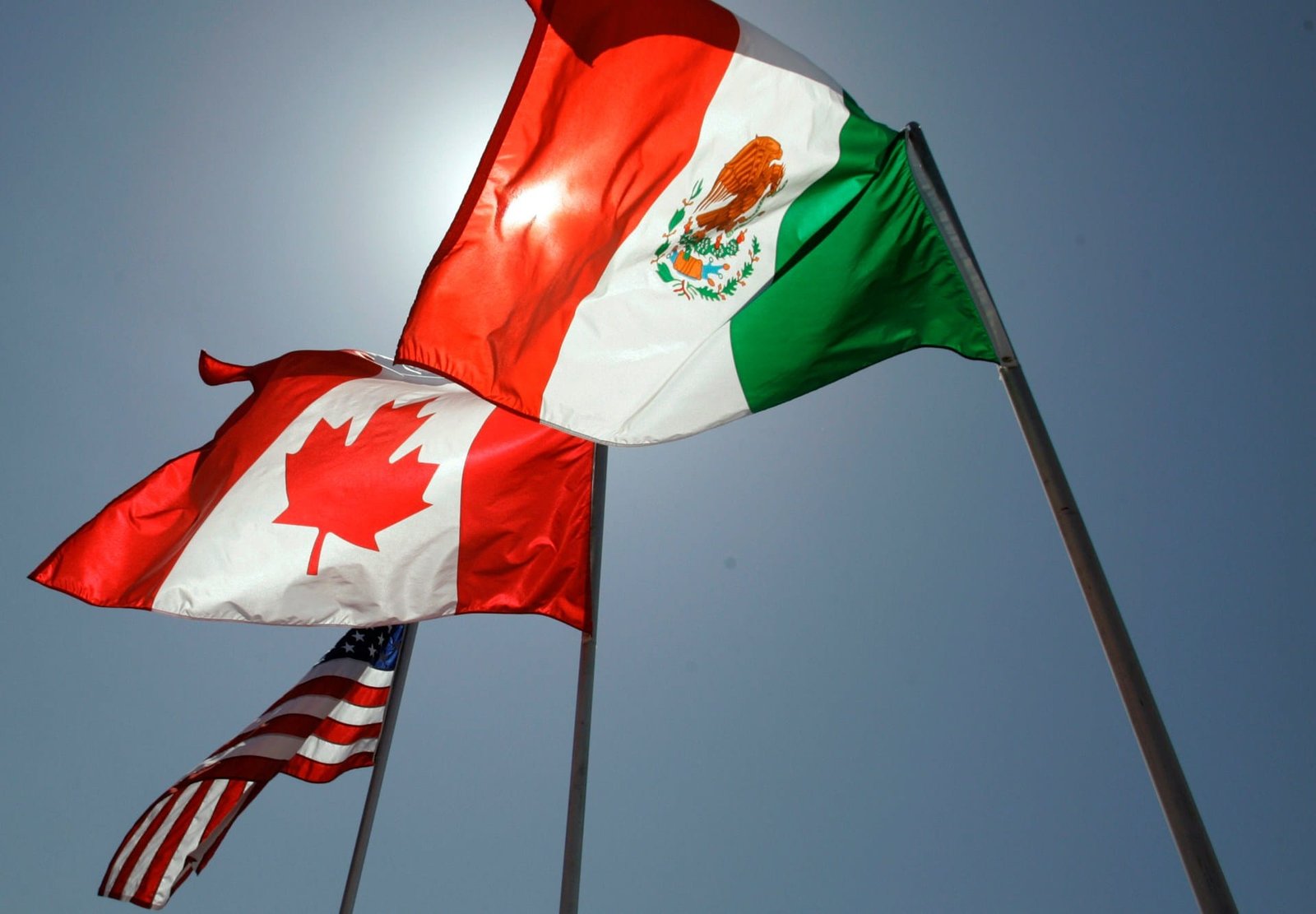
As United States President Donald Trump’s sweeping 25 percent tariffs on imports from Mexico and Canada were about to kick in, Canadian Prime Minister Justin Trudeau was quick to hit back.
In a news conference on Monday night, he referred to Trump as “Donald”, called the tariffs a “very dumb thing to do”, accused the US president of trying to cripple the Canadian economy to annex the country and imposed immediate retaliatory tariffs.
By contrast, Mexican President Claudia Sheinbaum was silent on Monday night. She responded in a news conference on Tuesday morning, promising to defend Mexican interests and announcing tariffs on US imports. But unlike Canada, Mexico’s tit-for-tat tariffs will come into effect only on Sunday, giving it time to strike a deal with the US.
On Thursday, Sheinbaum is expected to speak with Trump to try to stitch together a compromise even as the US president’s public spat with Trudeau intensifies.
So why is Mexico’s president approaching Trump’s tariffs so differently from how Canada and Trudeau are handling them? How is Mexico responding to Sheinbaum’s strategy? How did we get here? And what’s at stake?
Even before he was sworn into office for a second time in January, Trump announced he would impose 25 percent tariffs on all goods from Canada and Mexico, citing concerns over border security and drug trafficking, particularly the flow of fentanyl into the US.
The US is the second largest goods trader in the world after China, and Trump’s tariffs have rattled global markets.
These tariffs were initially scheduled to take effect on February 4, but negotiations between Trump and the leaders of Canada and Mexico resulted in the US postponing their imposition for a month.







 United Arab Emirates Dirham Exchange Rate