
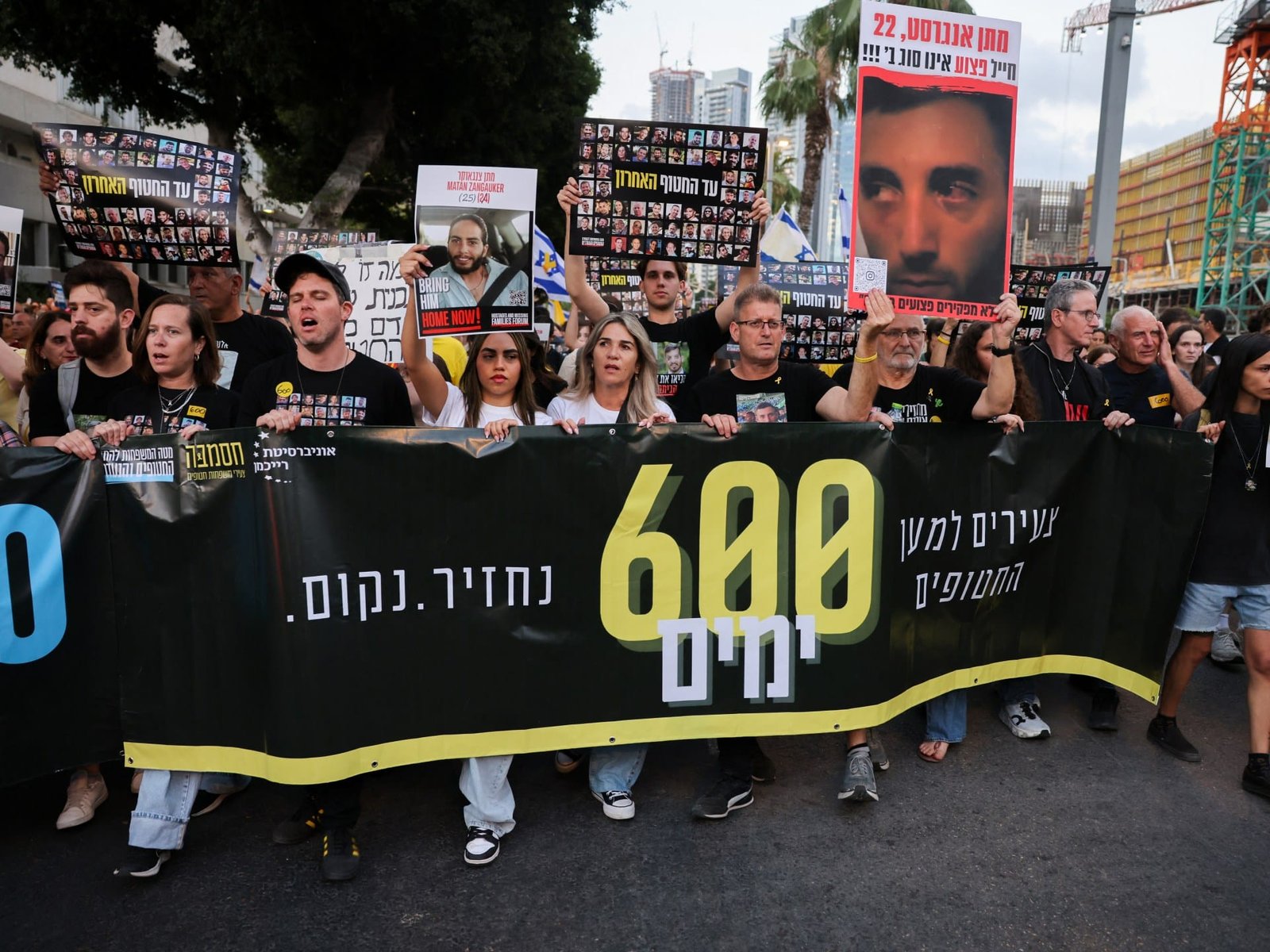
As Israel’s devastating war on Gaza grinds on, pushed forward by a prime minister insistent that a goal of total military victory be met, the divisions within Israeli society are growing increasingly deeper.
In the last few weeks, as Israeli peace activists and antiwar groups have stepped up their campaign against the conflict, supporters of the war have also increased their pressure to continue, whatever its humanitarian, political or diplomatic cost.
Members of the military have published open letters protesting the political motivations for continuing the war on Gaza, or claiming that the latest offensive, which is systematically razing Gaza, risks the remaining Israeli captives held in the Palestinian territory.
Another open letter has come from within Israel’s universities and colleges, with its signatories doing a rare thing within Israel since the war began in October 2023: focusing on Palestinian suffering.
Elsewhere, campaigns of protest and refusal of military service have spread – a result of a mixture of pro-peace sentiment and more prevalent anger at the government’s handling of the war – posing a risk to Israel’s war effort, which is reliant upon the active participation of the country’s youth.
The war’s critics say that the man they oppose, Prime Minister Benjamin Netanyahu, has become reliant upon the extreme right to maintain his coalition, and an opposition too cowardly to confront him in the face of mounting international accusations of genocide.
It is important not to confuse the growing domestic criticism of the Israeli government’s handling of the war with any mass sympathy for the Palestinian people.



 United Arab Emirates Dirham Exchange Rate