Mass protests are spreading across Iran, but what’s driving them and where could they lead? Here’s what we know.
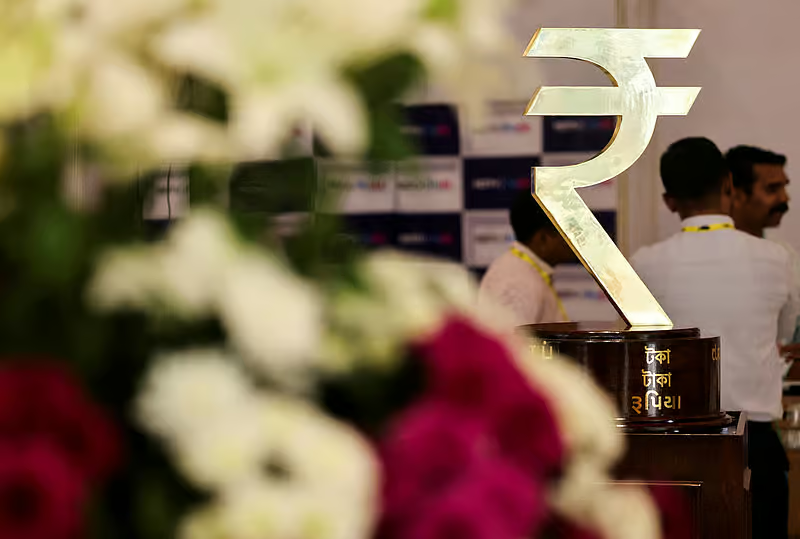
Protests about the soaring cost of living in Iran have entered their sixth day after the rial plunged to a record low against the United States dollar in late December.
After a number of deaths as a result of clashes between protesters and security services, the government of President Masoud Pezeshkian appealed for unity and blamed economic pressure on what he said are Tehran’s “enemies”. Despite government promises to enact economic reforms and put more effort into tackling corruption, the protests have continued.
So far, at least seven people have been killed and 44 people have been arrested since shopkeepers in Tehran first shuttered their businesses on Sunday to protest against Iran’s economic crisis.
The tide of protest has continued to rise with economic demonstrations morphing into political protests as unrest has spread across the country.
How significant is the current round of protests, how real are the protesters’ grievances and where might this end? Here are five things you should know:
Iran is one of the most sanctioned countries in the world. A range of international restrictions means that Tehran is struggling to access international financial markets and frozen foreign assets. The country’s increasing reliance on imports is exacerbating the situation and fuelling inflation.
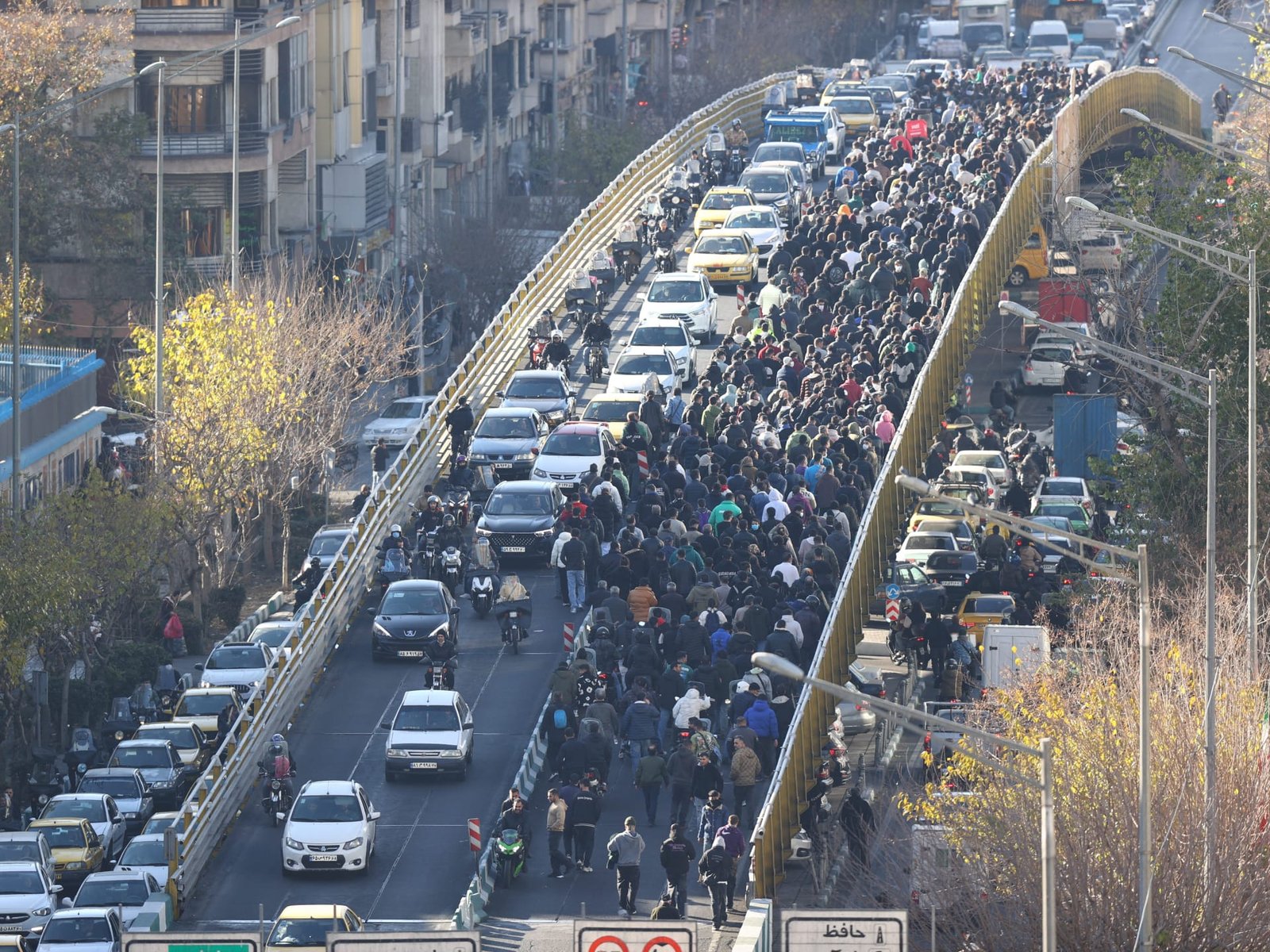
What began as a single protest about the collapse of the Iranian economy by shopkeepers in Tehran’s Grand Bazaar on Sunday had spread to 17 of Iran’s 31 provinces by New Year’s Eve with students and demonstrators from across Iranian society joining the wave of demonstrations.
Thousands of people have mobilised across the country with security forces responding forcefully in some places.
On Thursday, Iran’s semiofficial Fars news agency reported that three people had died in confrontations between security forces and protesters in Lordegan in southwestern Iran. A further three deaths were reported in Azna and another in Kouhdasht, both in central Iran.
“Some protesters began throwing stones at the city’s administrative buildings, including the provincial governor’s office, the mosque, the Martyrs Foundation, the town hall and banks,” Fars reported of protests in Lordegan, adding that police had responded with tear gas.
Tehran’s previous hardline responses to public unrest have been marked by the deaths of protesters. However, so far, despite a number of isolated clashes between protesters and security forces, Pezeshkian’s government has held back from an outright crackdown and appears ready to listen to the “legitimate demands” of protesters.
Worries about the cost of living are very real
In an effort to address protesters’ concerns, the government appointed a new governor of the central bank on Wednesday. Abdolnaser Hemmati has pledged to restore economic stability after the rial’s dramatic collapse.
On Tuesday, the Ministry of Higher Education removed campus security managers from the University of Tehran and two other major universities. Local media reported that their removal was due to “a record of misconduct and failure to properly handle recent student protests”.
“We must all stand together to solve the people’s problems and defend the rights of the oppressed and the underprivileged,” he added.
Protecting people’s livelihoods is a “red line” for his government, he declared.
Mass protests erupted across Iran in 2022 after the death in custody of 22-year-old Mahsa Amini, who was arrested in September that year for not wearing her hijab correctly.
Demonstrations first broke out after Amini’s funeral in the western city of Saqqez when women ripped off their headscarves in solidarity with the dead woman before they spread across much of the country.
Iran’s brutal response to the unrest involved the arbitrary arrest of tens of thousands of people, the extensive use of tear gas, the firing of live ammunition and, according to human rights organisations, the unlawful deaths of hundreds of people.
A 2024 investigation by United Nations experts into the government’s response found that its actions amounted to “crimes against humanity”, a claim rejected by authorities in Tehran as “false” and “biased”.
The so-called morality police were briefly suspended in December 2022 after the protests before being reinstated the following year. However, their enforcement of dress codes has since become notably more relaxed although many women still fear a resurgence.
 United Arab Emirates Dirham Exchange Rate