
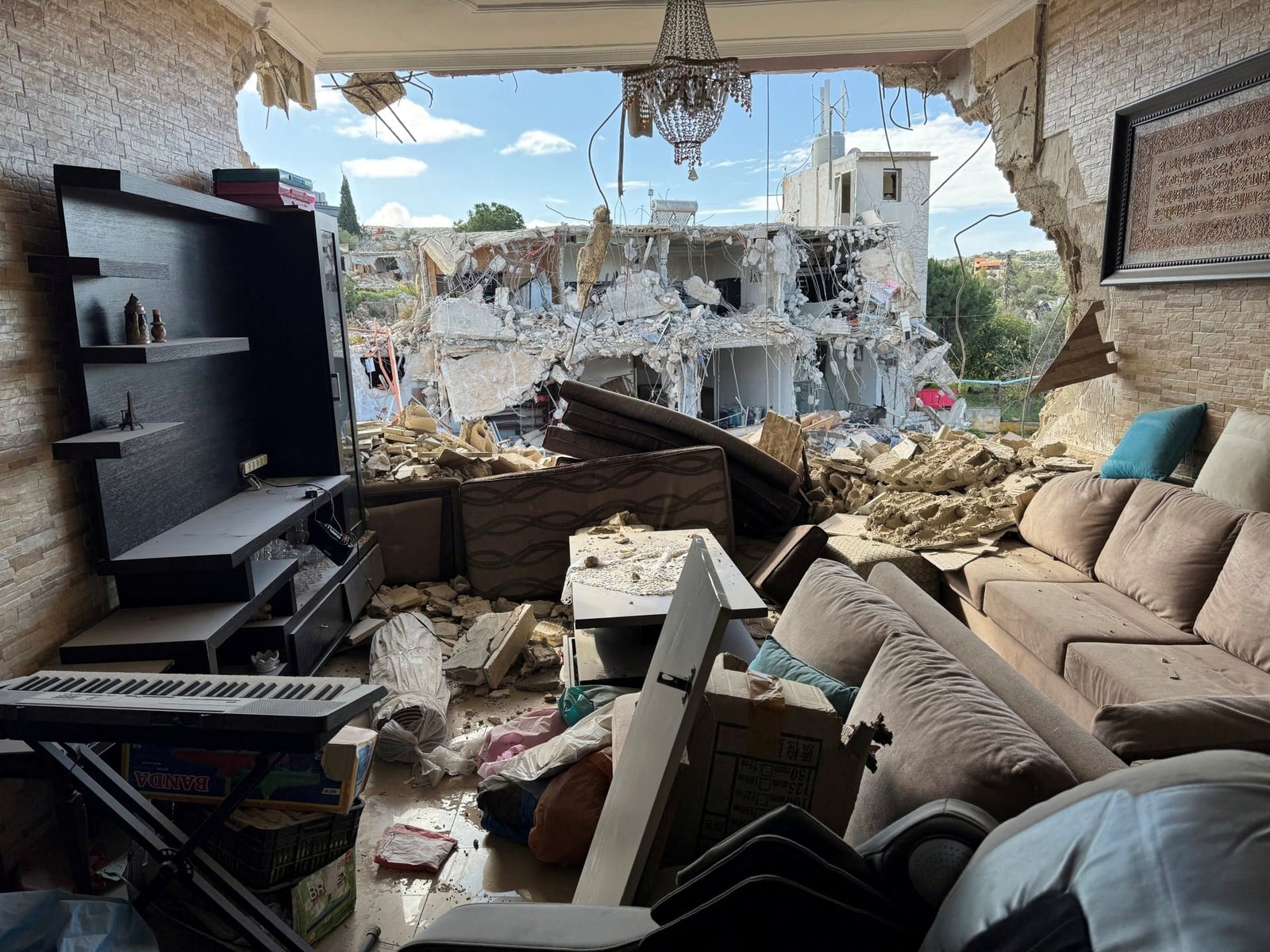
Under the initial terms of the agreement that brought about a ceasefire between Israel and the Lebanese group Hezbollah in November, the former was to withdraw its forces from southern Lebanon by January 26.
That date came and went, but Israel has refused to pull back its military, and the deadline has instead been pushed to February 18. Israel has also continued to sporadically bomb areas in Lebanon – to mass denunciations from the latter – claiming that it is targeting Hezbollah for violations of the ceasefire.
The Israeli presence in southern Lebanon means that thousands of people still cannot return to their homes in border villages, with Israeli troops shooting at people who get too close.
The conflict between Israel and Hezbollah – a Shia group that is the strongest military force in Lebanon – began on October 8, as the Lebanese group launched strikes in solidarity with the Palestinian group Hamas in Gaza, which was coming under Israeli attack. Israel intensified its attacks on Lebanon in September and killed Hezbollah leader Hassan Nasrallah on September 27.
Israel has killed around 4,000 people across Lebanon since October 2023.
Why is Israel still occupying southern Lebanon? How is this a “ceasefire”? And what exactly is Israel’s end game?
Here’s all you need to know.
While Hezbollah has stopped its attacks, Israel has not.
Israel’s bombing is nowhere near the same intensity as it was before the ceasefire began on November 27, and nightly bombing of Beirut’s southern suburbs has stopped.


 United Arab Emirates Dirham Exchange Rate