Patricia is sobbing over the phone.
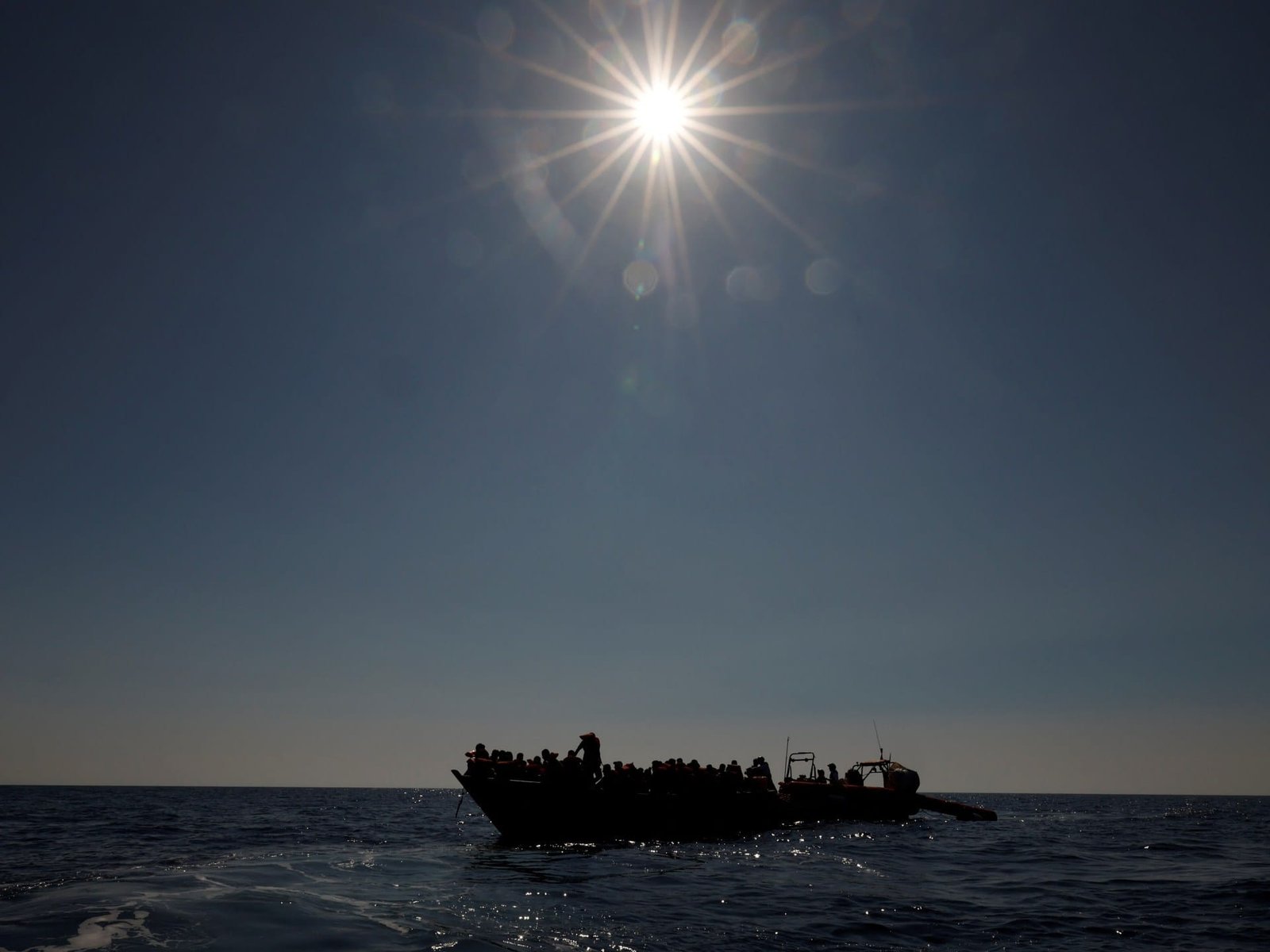
About a dozen Tunisian policemen came to her camp this morning to tell her and the other refugees, asylum seekers and undocumented migrants living rough in the olive fields outside of Sfax, a coastal city in Tunisia, that they had to leave.
They gave them 48 hours.
The police didn’t tell them where to go, only that they couldn’t move to any of the 15 or so camps that have grown outside of the city since police first expelled its refugee population in September 2023.
Patricia, a nurse, had been working for months from her makeshift clinic at Kilometre 33 – named, like all the temporary settlements outside of Sfax, for its distance from the city.
Now she doesn’t know where she, or the old, the infirm, or the children and the nursing mothers who congregate around her clinic, will go. No one has any illusions about what will happen at the end of the deadline.
Other camps swept up in the three-week-old police operation to clear the olive fields have been demolished with heavy equipment and burned. Anyone resisting has been arrested.
“I don’t know what I will do,” she says. “I don’t know where I will go.”
Patricia and others had hoped their camp might be safe. The elders, or “stakeholders”, who settle disputes between camp residents, had contacted security officials, imploring them to spare the relatively quiet Kilometre 33.





 United Arab Emirates Dirham Exchange Rate