media’s Maram Humaid writes a letter from Gaza, the place the world chose to forget.
Gaza City – Israel and Iran fought for 12 days, firing bombs, drones and missiles at each other, with the United States even joining in the bombing. Then, earlier this week, it stopped.
Last month, India and Pakistan attacked each other, and the world feared the outbreak of an all-out war between the two nuclear powers. But then, after four days, it stopped.
In Gaza, we haven’t been so lucky. The word “ceasefire” doesn’t apply to us – even after 20 months of slaughter, death, and starvation.
Instead, as wars erupt and end elsewhere, Gaza is neglected, slipping down the news agenda, and disconnected from the internet for days.
World leaders that can end wars decisively can’t deliver medicine to Gaza, can’t bring in food aid without daily bloodshed.
That inadequacy has left us Palestinians in Gaza isolated, abandoned, and feeling worthless. We feel humiliated and degraded, as if our dignity has been erased.
We prayed that the end of the war between Israel and Iran would perhaps help end the one that is being waged on us.
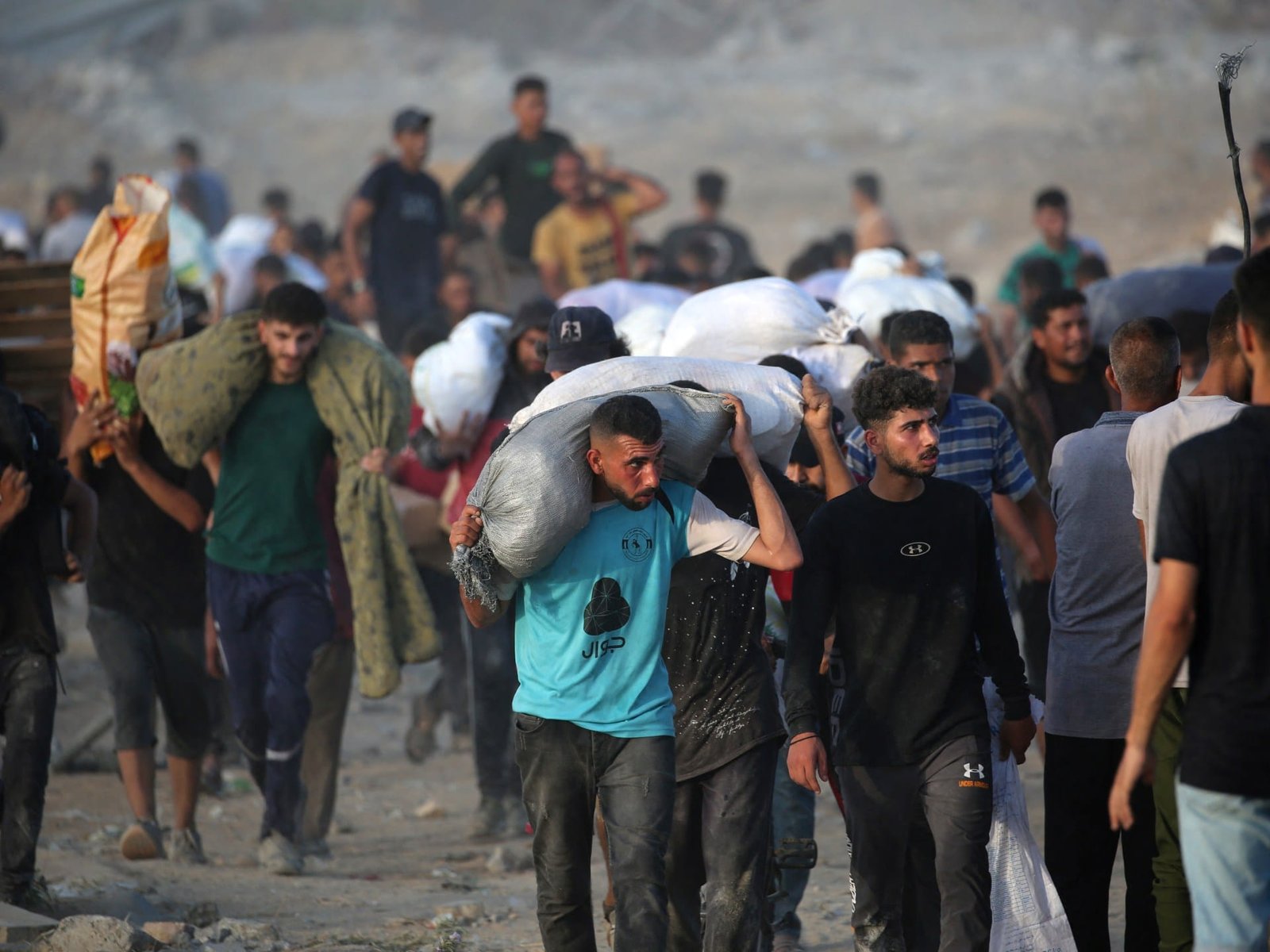
But we were wrong. Even as Iran’s missiles rained down on Tel Aviv, Israel never stopped bombing us. Its tanks rolled on, its evacuation orders never ceased. And the daily charade of “humanitarian aid” has continued to kill starving Palestinians as they wait in line at distribution sites.
In Gaza, we don’t have wishes any more. I don’t dare to dream about surviving – my heart can no longer bear the sorrow of being in this world, the absence of any future.
We’re exhausted from being stories people read, videos they watch. Every minute: bombing, death, and hunger.
Especially hunger. During three months of siege and starvation, Israel initially steadfastly refused to allow food in and then allowed distribution only through a shady and militarised organisation, with Israeli forces shooting in.
Hating food
The situation has made me come to hate food. My relationship with it has forever changed, twisted into resentment and bitterness.
I crave everything. I ask myself, “What will we eat? What do we have available?”
The hunger dulls every other sense. An empty stomach means an empty mind, a failing body. It makes you do things your brain tells you not to do, to risk everything for a bag of flour, or a bag of lentils.
And all of this – the starvation of 2 million people – takes place in the age of global food abundance. The age of pistachio desserts, Dubai chocolates, cheesecakes with layers of cream, gourmet burgers, pizzas, sauces, and creams.
For the rest of the world, food is a phone tap away. For us, it taunts us, reminding us of our calamity.
Every time I open my phone to see photos, recipes, and trending desserts, I feel a pang in my heart reminding me that we are not living in the same world.
My nine-year-old daugher Banias watches Instagram reels with me and says, “Mom, every chef says the ingredients are easy and found in every home … but not ours.”
Her words pierce me. She says them with sorrow, not complaint.
Banias never complains. She accepts the pasta or lentils I offer. But the pain is there.
My children watch kids’ shows on a device I bought at great cost, with a backup battery to offset the two-year power blackout. I did it so they could have some joy, some escape. But I didn’t consider what that screen would show them.
They play songs and videos all day long about apples, bananas, strawberries, watermelon, grapes, milk, eggs, pizza, chicken, ice cream.
All the things I can’t give them.
The device started playing a song: “Are you hungry?”




 United Arab Emirates Dirham Exchange Rate