As global supply chains fracture and West Asia conflict disrupts fuel routes, neighbours like Bangladesh, Sri Lanka, and the Maldives are turning to India—not just for trade, but for strategic trust.
NEW DELHI — When global turbulence hits, South Asia looks to India. The latest energy disruption, triggered by escalating conflict in West Asia and the blocking of vital supply routes through the Strait of Hormuz, has once again reinforced this regional dynamic.
As fuel prices surge and supplies tighten, several of India’s neighbours—including Bangladesh, Sri Lanka, the Maldives, and Nepal—have approached New Delhi for urgent assistance in securing petroleum products and LPG. The requests highlight not only the severity of the current energy crunch but also India’s growing stature as a stabilising economic anchor in the region.
A Region Vulnerable to Global Shocks
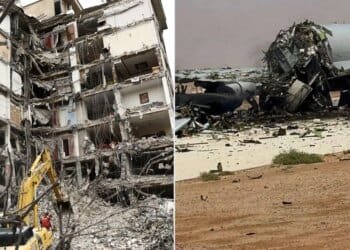
The current crisis stems from heightened military tensions in the Middle East, which have disrupted oil and gas shipments through the Strait of Hormuz, a critical chokepoint for global energy trade.
For South Asian nations with limited refining capacity and storage infrastructure, the ripple effects are severe. Bangladesh, for instance, has been forced into the expensive spot LNG market after long-term supply contracts faltered, leading to fuel rationing and reduced energy consumption. In such moments of distress, securing refined products from a nearby, reliable supplier becomes a matter of national survival.
India’s Refining Strength: A Strategic Advantage
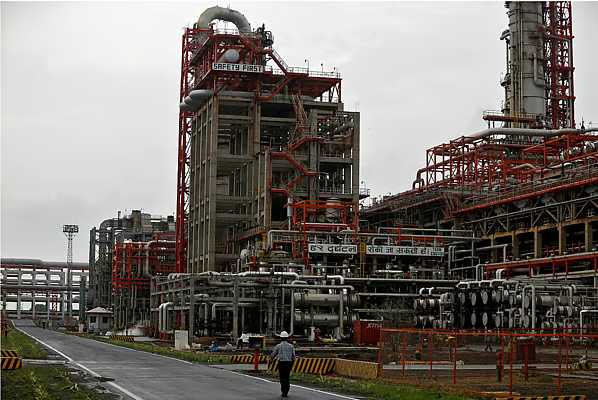
India’s ability to respond to these emergencies is rooted in a structural transformation. Over the past two decades, the country has emerged as one of the world’s largest refining hubs, processing crude into diesel, petrol, and aviation fuel for export.
This shift has changed New Delhi’s regional role. No longer just an importer, India now acts as a guarantor of energy security for its neighbours. As policymakers review requests for additional supplies, the balancing act between domestic needs and regional responsibilities remains key.
Trust Built Over Decades
India’s willingness to help neighbours during crises is well-documented. During Sri Lanka’s economic meltdown in 2022, New Delhi extended over $4 billion in assistance via credit lines and essential fuel shipments. Similarly, infrastructure projects like the Bangladesh-India Friendship Pipeline and the Motihari-Amlekhganj pipeline in Nepal have turned emergency aid into long-term energy partnerships.
These initiatives demonstrate that India’s approach is moving beyond ad-hoc relief toward integrated regional resilience.
The Geopolitics of Energy Cooperation
Beyond economics, energy ties are deepening geopolitical trust. For smaller South Asian nations, India offers proximity, established logistics, and diplomatic familiarity—advantages that distant suppliers cannot match.
“During moments of crisis, India has often responded with financial support, fuel shipments, and logistical assistance,” the analysis notes. “Such measures build goodwill and reinforce India’s image as a dependable regional partner.”
Energy assistance, therefore, acts as a stabilising force, preventing economic distress from escalating into political instability.
Balancing Generosity with Domestic Demand
However, India’s generosity is tempered by pragmatism. With a population exceeding 1.4 billion and a rapidly growing economy, New Delhi remains heavily dependent on imported crude. Officials have made it clear that decisions on additional exports will hinge on domestic supply levels.
Yet, thanks to its diversified procurement strategy and massive refining base, India retains a flexibility that its neighbours lack—allowing it to cushion the region during global shocks.
The Road Ahead: Toward an Integrated South Asian Grid
The current fuel shortages underscore a deeper truth: South Asia’s energy security will increasingly depend on cooperation rather than isolation. Shared pipelines, cross-border electricity grids, and coordinated emergency reserves could transform how the region manages crises.
Initiatives connecting Bangladesh, Bhutan, India, and Nepal (BBIN) are already laying the groundwork for such integration. If these efforts expand, South Asia could evolve from a collection of vulnerable markets into a resilient, interconnected energy system.
Conclusion
The requests from Dhaka, Colombo, and Malé are about more than just fuel shipments. They signal a shift in regional dynamics, where economic scale, geographic position, and historical trust converge to reshape India’s role.
“In moments of global disruption, countries often turn to the power that is closest, most capable, and most trusted,” the piece concludes. “For South Asia, that country increasingly appears to be India.”



 United Arab Emirates Dirham Exchange Rate