As gas prices surge 50% amid Middle East conflict, Simon Stiell warns that dependence on oil and gas leaves nations ‘at the mercy of geopolitical shocks.’
BRUSSELS — The Iran war has delivered an “abject lesson” to the world about the perils of fossil fuel dependence, the UN’s top climate official will tell EU policymakers on Monday, urging governments to accelerate the transition to renewable energy.
In stark remarks prepared for a Brussels audience, Simon Stiell, Executive Secretary of the UN Framework Convention on Climate Change (UNFCCC), will argue that the conflict-induced energy crisis exposes the fragility of economies hooked on oil and gas.
“Fossil fuel dependency is ripping away national security and sovereignty, and replacing it with subservience and rising costs,” Stiell is set to tell EU officials and government ministers.
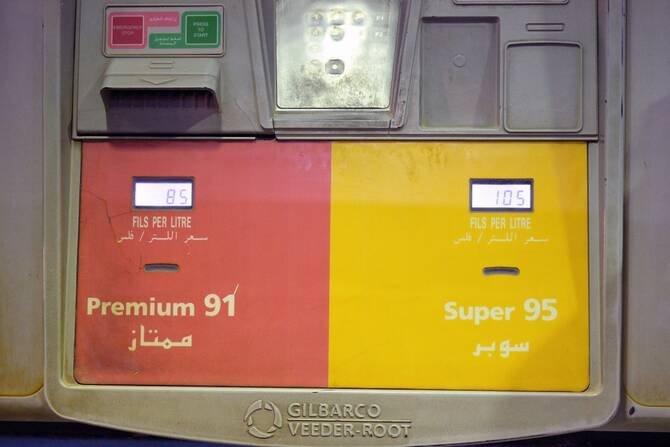
Although geographically distant from the Middle East theatre, the European Union is feeling the war’s impact acutely through skyrocketing energy prices. European gas prices have jumped by 50 percent during the two-week conflict, reviving memories of the 2022 crisis when Russia slashed deliveries.
Europe’s Vulnerability Exposed
The numbers paint a stark picture of vulnerability: the EU imports more than 90 percent of its oil and 80 percent of its gas, leaving it uniquely exposed to supply disruptions.
“Europe is more reliant on fossil fuel imports than almost any other major economy,” Stiell will say in prepared remarks, warning that this dependence leaves consumers “at the mercy of geopolitical shocks and price volatility.”
The warning comes as EU leaders scramble to draft emergency measures to shield households and industries from the price spike. But Stiell will argue that short-term fixes miss the larger point: the only lasting solution is to break the fossil fuel habit entirely.
Rejecting Calls to Weaken Climate Policy
Despite the crisis—or perhaps because of it—some member states, including Italy and Hungary, are pressuring Brussels to soften its climate policies to provide immediate cost relief for struggling industries.
Stiell will dismiss this approach as “completely delusional.”
He will instead frame the renewable energy transition as the ultimate safeguard against future shocks. Wind and solar power, he will argue, offer not just cleaner energy but cheaper prices, job creation in clean-tech industries, and—crucially—secure, independent supplies.
“Meek dependence on fossil fuel imports will leave Europe forever lurching from crisis to crisis,” Stiell will say. “Renewables turn the tables. Sunlight doesn’t depend on narrow and vulnerable shipping straits.”
The Geopolitics of Energy
The address directly links climate policy to geopolitical stability, a connection increasingly impossible to ignore as conflict in the oil-rich Middle East sends tremors through global markets. The Strait of Hormuz, a critical chokepoint for global oil and LNG shipments, has once again emerged as a flashpoint with far-reaching consequences.
In the longer term, the European Commission maintains that its climate strategy—focused on replacing imported fossil fuels with locally produced renewable and nuclear energy—will enhance energy security and insulate economies from volatile global prices.
Stiell’s message to Brussels is clear: doubling down on climate action is not just an environmental imperative but a strategic necessity.
 United Arab Emirates Dirham Exchange Rate