Oman-hosted indirect talks mark first diplomatic contact in over a year; Tehran vows to target U.S. bases if attacked, as Washington imposes new sanctions.
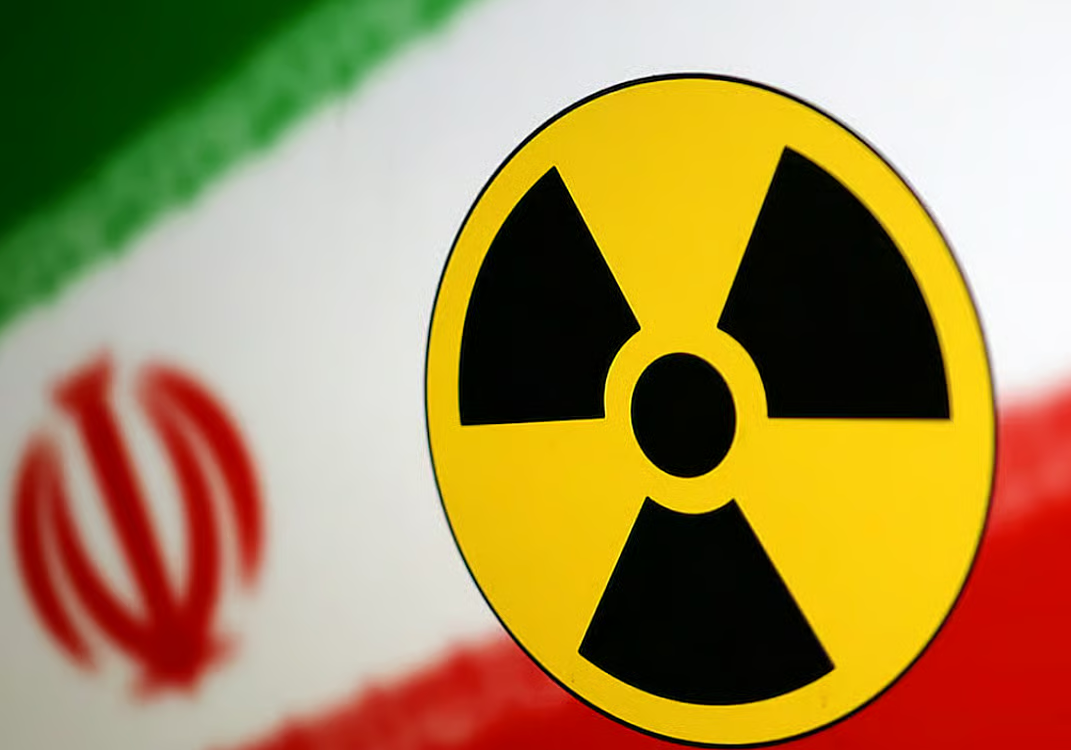
Iran’s Foreign Minister Abbas Araghchi said talks with the United States will resume “soon” after a first round of indirect negotiations in Oman, while firmly stating that Iran’s ballistic missile program remains “never negotiable.”
The talks—the first since the collapse of nuclear diplomacy last year—come amid heightened regional tensions and a significant U.S. military buildup. Araghchi described the meeting as “a good start” but cautioned that rebuilding trust “will take time.”
In an interview with Al Jazeera, Araghchi warned that any U.S. attack on Iranian territory would be met with retaliation against American bases in the region. He also reaffirmed Iran’s right to continue nuclear enrichment, calling it “inalienable,” but expressed readiness for a “reassuring agreement” on the issue.
Despite the diplomatic opening, President Donald Trump signed an executive order imposing new tariffs on countries trading with Iran, effective Saturday. The U.S. also announced fresh sanctions targeting Iranian oil exports via shipping entities and vessels.
Washington has pushed to include Iran’s missile program and its support for regional militant groups in the negotiations—issues backed by Israel but rejected by Tehran, which insists talks be limited to the nuclear file.
The discussions follow months of deadly protests in Iran, which authorities say resulted in 3,117 deaths—a figure contested by international rights groups, who estimate the toll to be significantly higher.
The U.S. delegation was led by Middle East envoy Steve Witkoff and Jared Kushner. Both sides agreed to continue negotiations, though Araghchi urged Washington to avoid “threats and pressure” moving forward.




 United Arab Emirates Dirham Exchange Rate