
In the latest revelations about Israel’s brutal torture of Palestinian prisoners, which include rape and sexual violence, the world got yet another glimpse of the horrific reality of Palestinian life under unending Israeli settler colonial occupation. Any person with an ounce of basic human decency feels horrified, enraged and appalled at the accounts that have been revealed. The majority of people around the world cannot even fathom seeing, let alone committing, the sickening and gruesome acts of torture that are recounted in the testimonies of Palestinian victims.
The harsh reality is that this is not the first time we have heard of sexual violence, rape, and other terrifying forms of psychological and physical torture in Israeli prisons. Scholars and civil society organisations have been documenting such atrocities for decades. Prior to October 2023, scholars had already documented how conditions inside Israeli prisons had worsened for Palestinians since the 2010s. Over the past two and a half years, these already horrific conditions have deteriorated substantially.
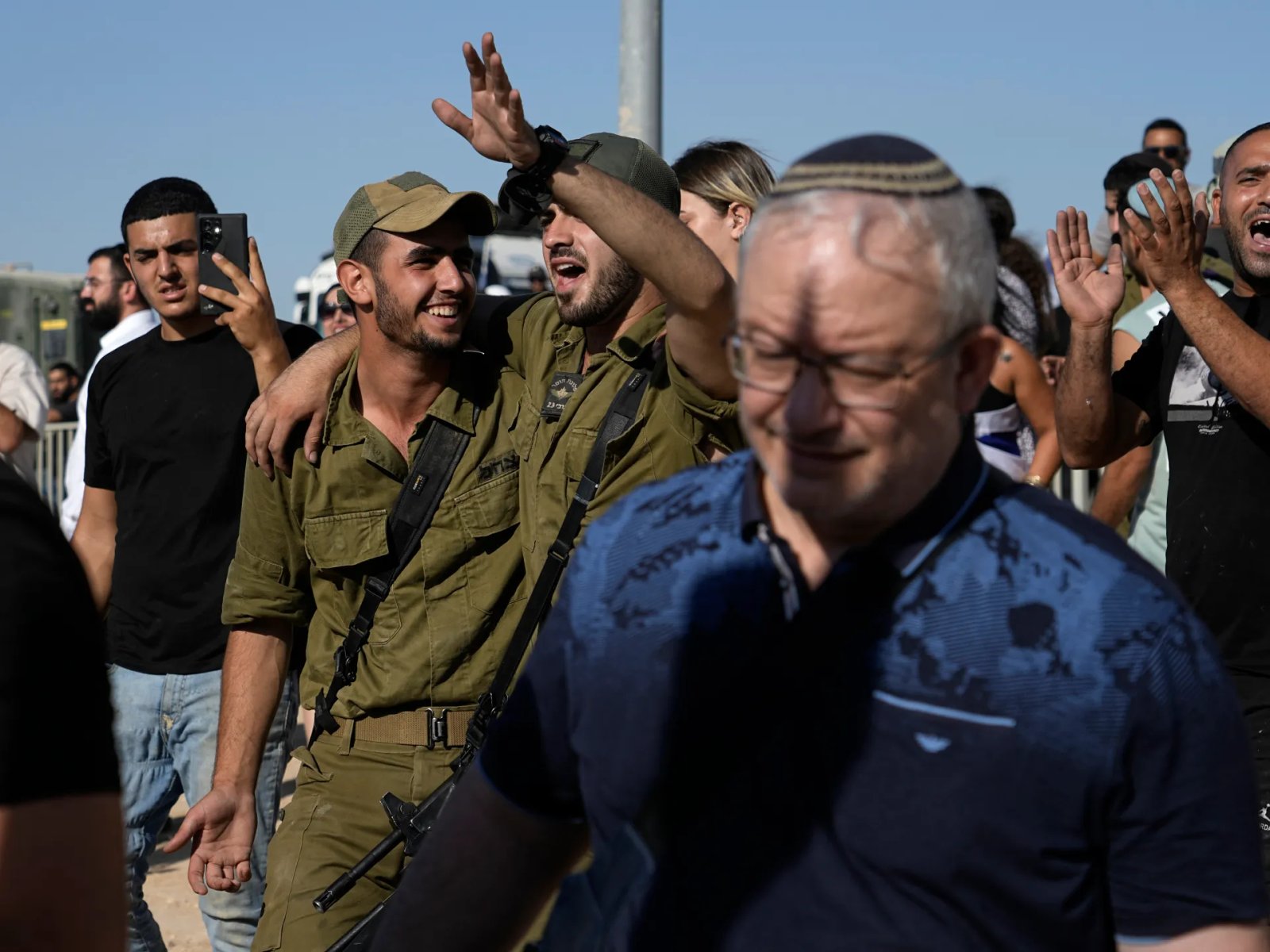
Over this period, we have also witnessed the emergence of another disturbing feature of Israeli violence, not just inside the torture chamber but beyond: the glee with which violence is being carried out.
When reading the testimonies of Palestinian detainees and prisoners, it becomes clear that not only are Israeli guards committing torture on a regular basis, but one of the most important descriptors of this torture is that Israeli guards are committing such horrors while laughing. In testimony after testimony, victims recount the laughter of the guards. This raises an often-ignored question: who finds such acts of torture a source of pleasure and joy? Under what conditions does laughter come to be seen as an appropriate reaction and accompaniment to torture? The gravity of these questions becomes even more terrifying and daunting when we consider that this phenomenon of laughing while inflicting uninhibited and gratuitous violence is not unique to these latest revelations.
Over the last two and a half years of an ongoing genocide, we have witnessed dozens of Israeli soldiers not only recording themselves while committing genocidal acts, such as the wanton destruction of homes and entire neighbourhoods, massacring civilians, including children, stealing the property of civilians they have just killed or forcibly expelled, maiming innocent Palestinians, and so on, but showing visible glee while doing it.
media’s Investigative Unit created a database showcasing some of these videos. In one example, a French-Israeli soldier points to a detainee and boasts: “Look, he pissed himself. Look, I’ll show you his back. You’re going to laugh. Look, they tortured him to make him talk. Did you see his back? Son of a whore.” Why does this soldier so firmly believe that those viewing the video are “going to laugh”? Here we arrive at a frightening reality that must be named: the glee of cold-blooded killers, torturers and destroyers of Palestinian life is being rewarded by Israeli society. Their videos are, on the whole, receiving a positive reaction from within their own society. Mainstream Israeli media are also saturated with celebrations of the genocide and calls for it to intensify even more. Why is this happening and what does it tell us about Israeli society?
For decades, Israeli propaganda has pushed the idea that Israelis view their killing, torture and displacement of Palestinians as tragic but necessary. This sentiment was exemplified in the famous quote attributed to Israeli Prime Minister Golda Meir: “We can forgive the Arabs for killing our sons. But we can never forgive them for forcing us to kill their sons.” Since then, one version or another of this way of thinking became such a dominant Israeli propaganda tool that a catchphrase emerged to describe it, “shooting and crying”.
Since the second Intifada, and especially after the barbaric siege of Gaza began in 2007, “shooting and crying” began to slowly fade from the mainstream of Israeli society. Israeli public discourse, which has always marginalised and erased the toll of their violence on the Palestinians, increasingly stopped emphasising the psychological toll of their violence on their soldiers. Instead, they were celebrating how their soldiers have become efficient killers and destroyers of Palestinians.
Anticipating how the siege would result in more killing of Palestinians, one of the chief academic supporters, if not the architect, of the siege on Gaza, demographer Arnon Soffer, approvingly proclaimed in 2004, “The pressure at the border will be awful. It’s going to be a terrible war. So, if we want to remain alive, we will have to kill and kill and kill. All day, every day.” Though Soffer noted at the time that “The only thing that concerns me is how to ensure that the boys and men who are going to have to do the killing will be able to return home to their families and be normal human beings”, the die had been cast. Israeli society was going to care less and less about the toll of the violence on themselves, and increasingly emphasise the killing of Palestinians. The killing and body counts would become so important for Israeli society that such news would come to be welcomed as joyful. Today, the pretence of crying while shooting has completely disappeared, replaced by the reality of Israelis being gleeful while shooting.







 United Arab Emirates Dirham Exchange Rate