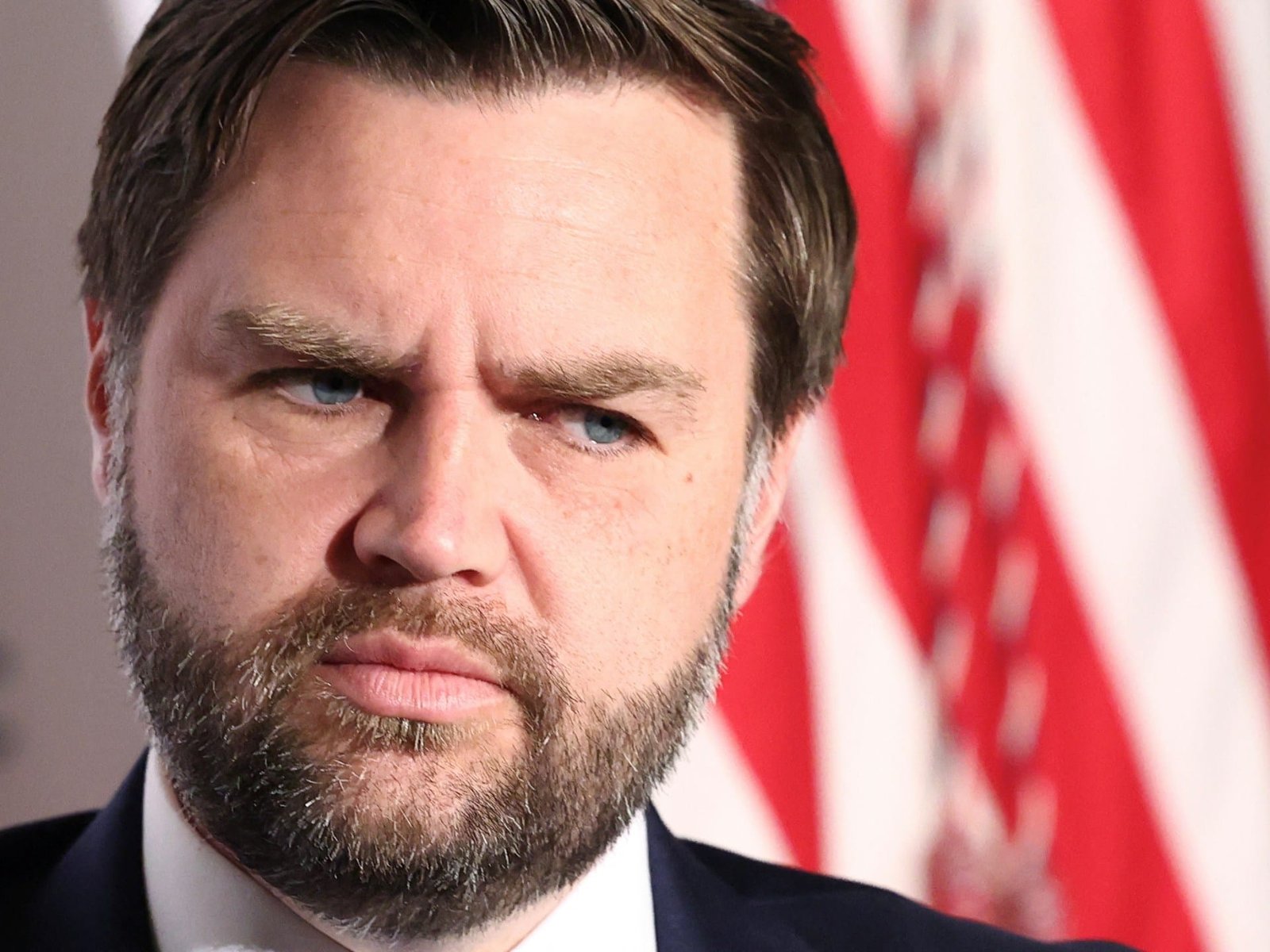
It was part of JD Vance’s first international trip as United States vice president: The former senator from Ohio was taking a tour of Europe, representing the second administration of President Donald Trump on the world stage.
A major point on his itinerary was a speech he would give to the 61st annual Munich Security Conference on February 14, in front of leaders representing some of the US’s closest allies.
But rather than celebrate those historic ties, Vance took a more aggressive approach. Perched at the podium in Munich, he shocked onlookers by criticising Europe, warning against laws and restrictions he said could “destroy democracy”.
It has been nearly three months since Vance delivered that speech, and on Wednesday, the vice president returned to the Munich forum, this time for its leaders’ meeting in Washington, DC.
In a question-and-answer segment with German diplomat Wolfgang Ischinger, Vance revisited his February speech, which sparked backlash within Europe and at home. He also gave a preview of US negotiations over Iran’s nuclear programme and Russia’s invasion of Ukraine.
Here are three key takeaways from his remarks.
Wednesday’s public appearance marked the third time Vance spoke to an event hosted by the Munich Security Conference. But his last speech — with its accusations of democratic backsliding — loomed heavily over the proceedings.
Vance tried to reframe his remarks on Wednesday as respectful criticism between allies, emphasising the warm relations the US and Europe have traditionally shared.
“ I think — I mean this from the heart and as a friend — that there is a trade-off between policing the bounds of democratic speech and debate and losing the trust of our people. And we’re all going to draw the lines a little bit differently,” Vance said. “I’m fine if one country is going to draw those lines a little bit differently than the United States.”






 United Arab Emirates Dirham Exchange Rate