
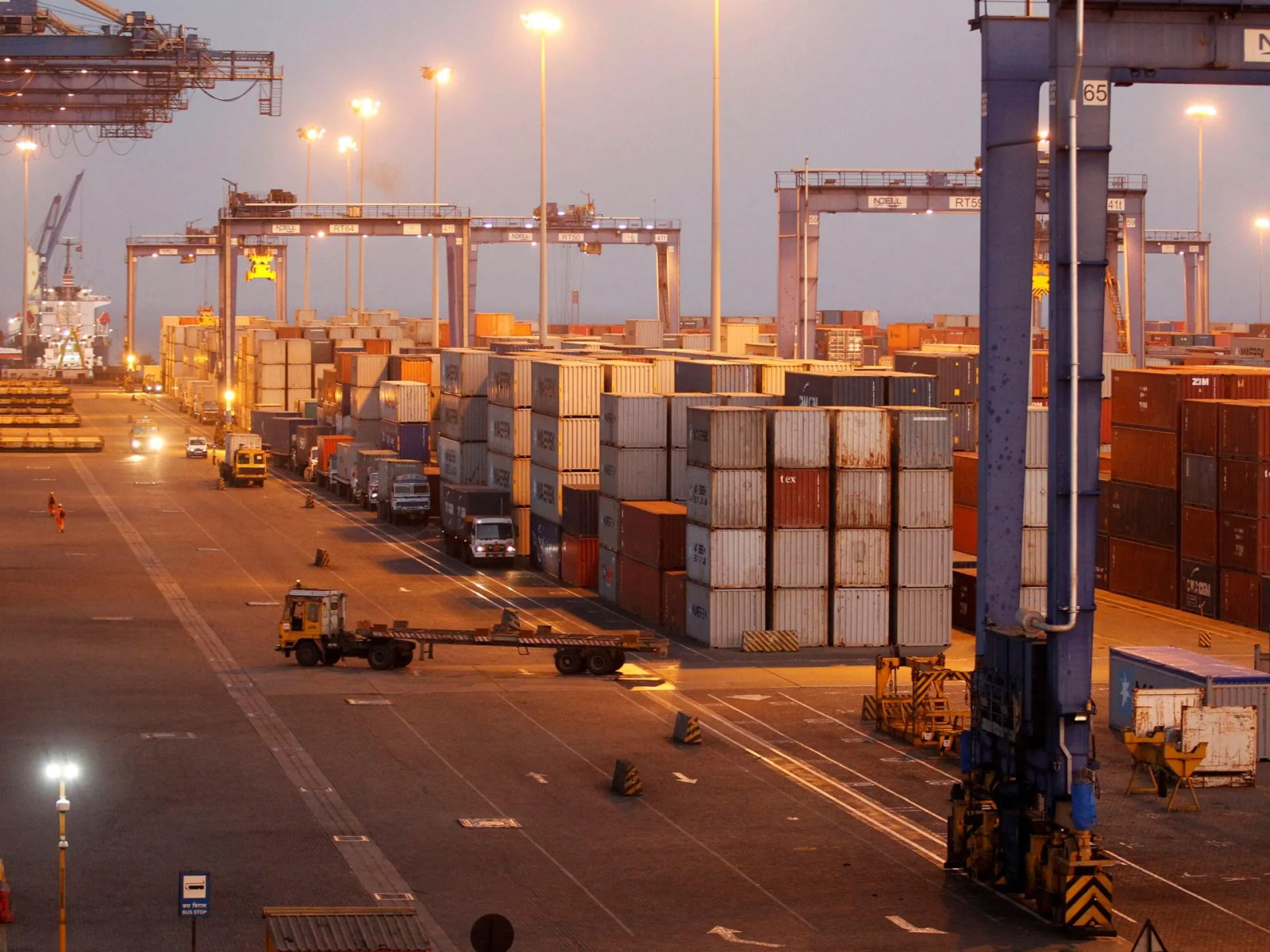
Kolkata, India – Pankaj Chadha has been running a steel manufacturing unit in Mumbai, India’s financial capital, for the past four decades.
The 65-year-old told media that his company exports products mostly to the United States and Mexico, where they are used in various industries.
The recent spike in tariffs in both countries, however, has come as a crushing blow for Chadha. Before the tariffs, he had sales of roughly $5m and $8m to the US and Mexico, respectively. But those have since been halved.
“I have lost 50 percent of my business in Mexico and the US since the tariffs came into effect. It is a severe blow to my business as I was focusing on Mexico after the US tariffs, but the future looks bleak there also now,” he said.
US President Donald Trump imposed a 25 percent tariff on India in August and soon tacked on another 25 percent as punishment for its continuing purchase of Russian oil, which, he said, was helping to fund Russia’s war on Ukraine.
Now, within months of those punishing tariffs devastating businesses and jobs across industries in India, including diamond cutting, shrimp farming, and carpet manufacturing, businesses are dealing with equally high tariffs from Mexico, a double whammy, they say.
On January 1, Mexico implemented steep import tariffs ranging from 5 percent to 50 percent on more than 1,400 products from non-free trade nations, including India, Brazil, China, South Korea, Russia, Indonesia and Thailand.
Mexico has free trade agreements (FTAs) with more than 50 countries, including the US, Canada, Japan, and countries in the European Union, Asia-Pacific region, and Latin America.
The North American nation contends that the tariffs have been hiked to boost domestic production, address trade imbalances, and safeguard local employment.






 United Arab Emirates Dirham Exchange Rate