United States President Donald Trump set off alarm bells this month when, standing alongside Israeli Prime Minister Benjamin Netanyahu in the White House, he said the US would “take control” of the Gaza Strip and resettle Palestinians in other countries.
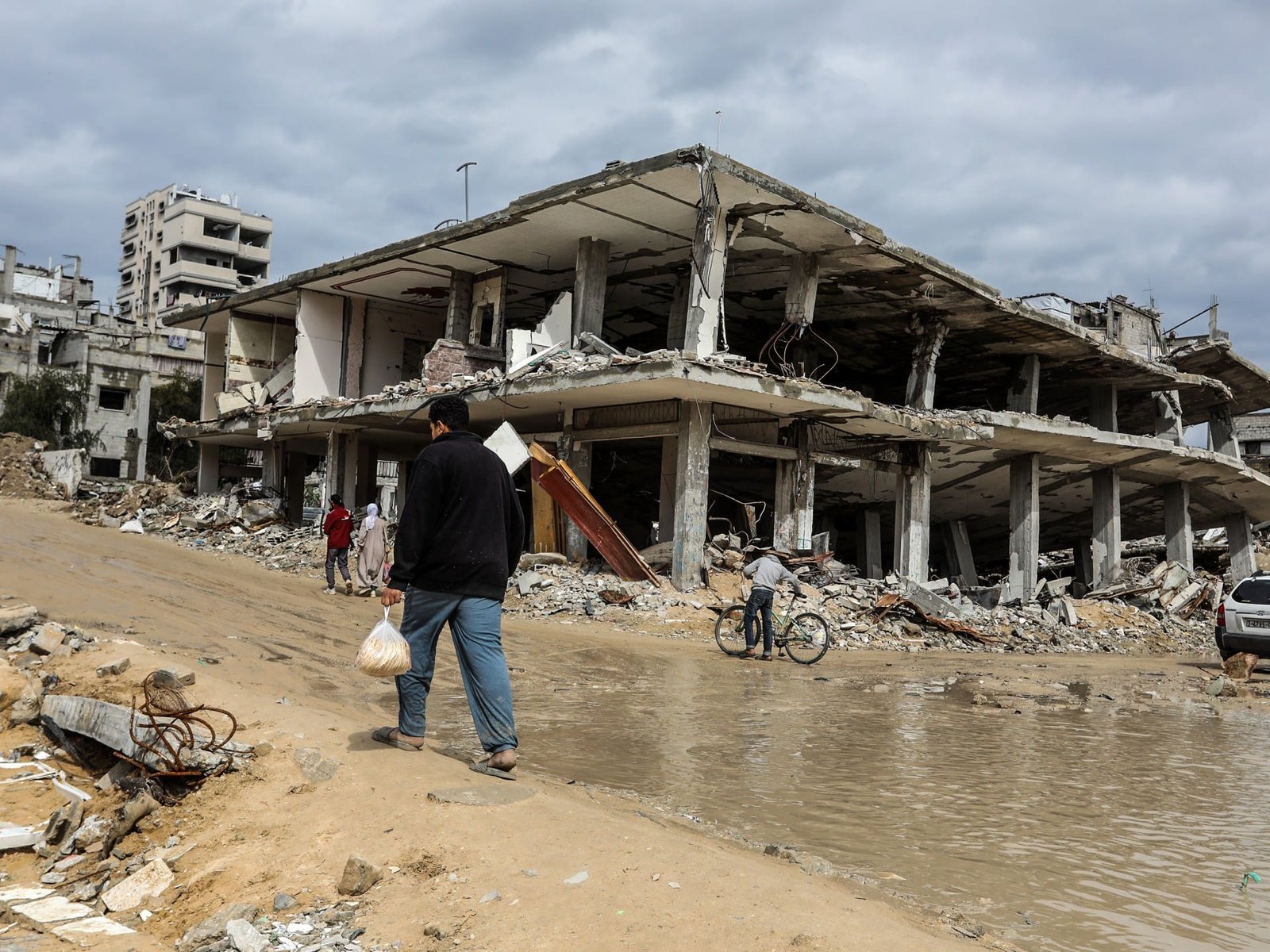
Trump framed the expulsion of the Palestinian population from the Strip – left unrecognisable by Israeli bombing – as an act of humanitarian necessity, citing the threat of unexploded ordnance and unstable structures.
Palestinians should be able to live in “beautiful houses”, Trump added. Just not in Gaza itself.
But Palestinians say the promise of new developments in foreign countries skirts the demand at the centre of their aspirations: the right to live with dignity and equal rights in their historic homeland.
“My first reaction was disbelief. That a president would call to displace two million people from their own land,” said Leila Giries, a Palestinian who lives in California.
For Giries and other Palestinians, the call for expulsion invokes painful memories of dispossession and exile.
Giries herself is a survivor of the events Palestinians refer to as the Nakba, which means “the catastrophe”.
The term refers to the forced expulsion of more than 750,000 Palestinians by Zionist paramilitaries during Israel’s founding in 1948. The residents of many Palestinian towns and villages were barred from ever returning, deemed “infiltrators” by the newly founded Israeli state.
Giries keeps a bag her mother carried while fleeing their village of Ayn Karim framed on the wall of her California residence, along with a key to their home in historic Palestine that was demolished after their expulsion.

 United Arab Emirates Dirham Exchange Rate