
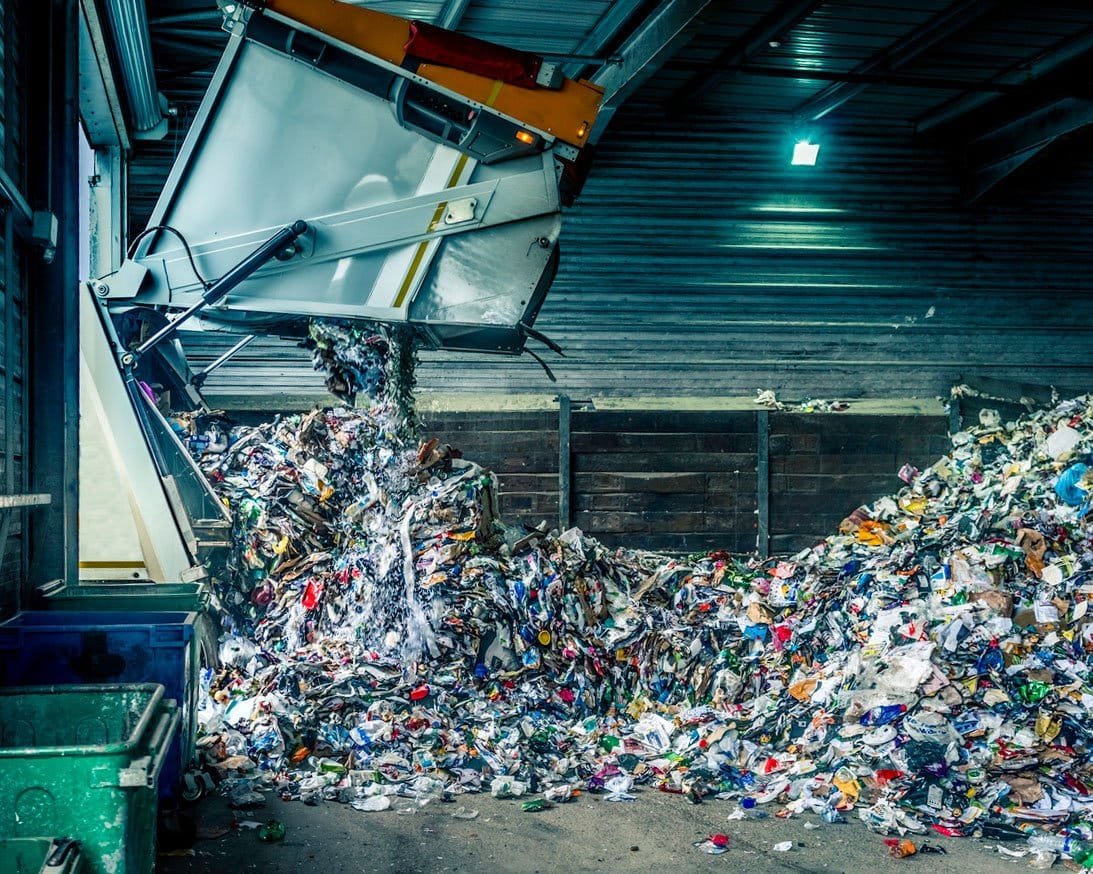
The environmental impact of plastic waste is well-documented, but its effects on human health are equally alarming. Microplastics, tiny plastic particles resulting from the breakdown of larger plastic debris, have been found in air, water, and soil, making their way into the food chain and ultimately into human bodies.
By Ghulam Haider
Pakistan generates approximately 4 million tons of plastic annually, with only a meager fraction being recycled. The remainder finds its way into landfills, rivers, and the open environment. The convenience and affordability of plastic products have entrenched them deeply into daily life, from grocery bags and water bottles to food packaging and household items. However, the cost of this convenience is enormous.
Several factors contribute to the burgeoning plastic waste problem in Pakistan. The lack of a robust waste management infrastructure has resulted in inadequate collection and disposal of plastic waste. With a significant portion of waste left uncollected, plastic litter is a common sight across urban and rural landscapes.
Public awareness regarding the environmental and health impacts of plastic waste is relatively low. Single-use plastics, in particular, are used indiscriminately, with little consideration for their long-term consequences. The absence of stringent regulations and enforcement further exacerbates the issue, allowing plastic production and consumption to continue unchecked.
The informal sector plays a significant role in waste management in Pakistan. Informal waste pickers collect and recycle some of the plastic waste, but their efforts are insufficient to address the scale of the problem. Moreover, this sector operates without proper regulatory oversight, leading to unsafe practices and environmental hazards.
As Pakistan grapples to combat climate change, experts are sounding alarms about the significant hurdle posed by plastic pollution, which threatens to overshadow the nation’s efforts to safeguard its ecosystems and address environmental degradation. Despite advancements in environmental policy and activism, the pervasive presence of plastic pollution remains a pressing concern, hindering Pakistan’s sustainability goals.
Experts have been underscoring the adverse impacts of plastic on human life and health, saying that the manifold repercussions including endangering aquatic life, clogging drainage systems, and contributing to health issues have been associated with the plastic pollution. Despite awareness campaigns and regulatory efforts, plastic continues to pervade daily life, from household items to food packaging, posing a persistent challenge.
Plastic pollution’s omnipresent and insidious nature has wreaked havoc across ecosystems, presenting a daunting challenge to Pakistan’s sustainability efforts. The sheer volume of global plastic production, with over 300 million tons annually and half of it being single-use plastics, highlights the urgency of addressing this issue. While countries like Bangladesh, France, and Rwanda have taken decisive steps to curb plastic proliferation, Pakistan faces a critical juncture with the highest percentage of mismanaged plastic in South Asia.
Renowned environmentalist Dr Ejaz Ahmed, a former Director at WWF-Pakistan, says that there is an urgent need for action to tackle plastic pollution’s detrimental effects. He highlighted how plastic pollution, from clogging waterways to disrupting ecosystems, casts a shadow over Pakistan’s sustainability aspirations. Dr Ejaz Ahmed says that the potential of recycling initiatives and scientific advancements in turning plastic waste into valuable resources such as co-processing fuel in cement production and creating construction materials are the need of the hour.
Experts say initiatives such as banning plastic bags in key cities like Islamabad, Lahore, and Hunza through a Statutory Regulatory Order signify progress, albeit amidst the absence of comprehensive policy frameworks at federal and provincial levels. The dangers of plastic to human and aquatic life as well as infrastructure are omnipresent. Despite previous efforts to discourage plastic use, its pervasive nature persists, even extending to food and waste disposal.
Climate and health experts have been echoing concerns about the dire health consequences of plastic, citing the rise of lung diseases, cancers, and dermatological ailments. Dr Shazia Aslam, a prominent Lahore-based dermatologist, says that the release of toxic chemicals from plastic when heated, emphasising the need for biodegradable alternatives and sustainable practices. She said in recent years, combating plastic pollution has emerged as a crucial frontier in the pursuit of environmental sustainability.
Ms Alam called for a global collaborative effort to tackle microplastic pollution and its potential public health risks. She urged governments in Asia, Europe, Africa, and the Americas to implement policy measures and incentives for removing plastic debris from freshwater and saltwater environments through advanced water treatment and effective solid waste management practices.
“Removing most aquatic plastic debris through water management for surface water quality control in freshwater watersheds, wetlands and lakes as well as ocean cleanups or effective solid waste management could significantly mitigate human microplastic exposure by 55pc,” she suggested. She also advocated for replacing single-use plastics with innovative, degradable alternatives, such as edible biobased materials, to reduce microplastic release from packaging, especially in beverages.
According to the Ministry of Climate Change, each person in Pakistan inhales approximately 31 out of every 1,000 plastic particles daily. The ministry quoted a study published in the Environmental Science and Technology Journal, which found that the per capita dietary intake of microplastics was around 31 milligrams per day. Microplastics, defined as plastic fragments smaller than five millimetres, could originate from industrial waste, beauty products, or the breakdown of larger plastic items.
The presence of microplastics in various ecosystems had raised global concerns among environmentalists and health specialists. Studies have linked human uptake of microplastics to serious health issues such as endocrine disruption, weight gain, insulin resistance, decreased reproductive health and cancer.
By replacing single-use plastics with innovative, degradable alternatives, the government has shown a commitment to combating plastic pollution despite its relatively low ranking among nations facing the human uptake of microplastics. The Federal government has been collaborating with provincial authorities to address the growing environmental and public health issue.
“Managing plastics throughout their product life cycle and reducing their use when possible is crucial to mitigating the accumulation of microplastics in the environment and their uptake by humans through various organisms like fish, mussels and oysters,” a climate change ministry official stated. She said that microplastics are now a significant environmental and public health concern. They are detected extensively in freshwater and marine environments and are ingested, absorbed or consumed as food by organisms, eventually entering the human body.
A study has noted that airborne and dietary microplastic uptake had increased six-fold globally, posing severe risks to human health and environmental sustainability. Conducted by scientists from Cornell University, the first-ever global study mapped microplastic uptake across 109 countries from 1990 to 2018. It found that 57pc of plastic particles in foods come from aquatic sources.
The study highlighted the vast scale of plastic pollution affecting global coastlines and its impact on the United Nations’ Sustainable Development Goals (SDGs), particularly SDG 6 (Clean Water and Sanitation), SDG 14 (Life below Water) and SDG 15 (Life on Land). Malaysia ranks highest among the top 20 countries facing microplastic uptake risks, followed by Indonesia, Egypt, the Philippines, Vietnam, and others.
Southeast Asian countries like Indonesia, Malaysia, and the Philippines have the highest per capita dietary uptake of microplastics while China, Mongolia and the United Kingdom lead in airborne microplastic inhalation.
The environmental impact of plastic waste is well-documented, but its effects on human health are equally alarming. Microplastics, tiny plastic particles resulting from the breakdown of larger plastic debris, have been found in air, water, and soil, making their way into the food chain and ultimately into human bodies.
Exposure to microplastics can lead to a range of health issues, including respiratory problems, hormonal imbalances, and even cancer. Ingestion of microplastics through contaminated food and water is a growing concern, particularly in Pakistan, where access to clean drinking water is already limited. Moreover, the burning of plastic waste, a common disposal method in many areas, releases toxic gases such as dioxins and furans, which can cause severe respiratory diseases and other health problems.
Government Initiatives to Curb Plastic Waste
Recognizing the severity of the plastic pollution crisis, the Government of Pakistan has taken several steps to address the issue. In 2019, the Ministry of Climate Change introduced a ban on single-use plastic bags in Islamabad, later extending it to other parts of the country. The ban aimed to reduce the consumption of plastic bags, which constitute a significant portion of the plastic waste generated.
In addition to the ban, the government has launched awareness campaigns to educate the public on the dangers of plastic pollution and promote the use of eco-friendly alternatives. These campaigns have been instrumental in shifting public attitudes and encouraging more sustainable consumption patterns.
Furthermore, the government is working on enhancing waste management infrastructure by investing in modern recycling facilities and promoting public-private partnerships. These efforts aim to increase the recycling rate and reduce the amount of plastic waste that ends up in landfills or the environment.
The government has also collaborated with international organizations and development partners to implement projects aimed at reducing plastic pollution. For instance, the World Bank-funded Pakistan Green Stimulus Plan includes initiatives to promote the circular economy, where plastic waste is minimized through recycling and reuse.
Learning from Global Examples
While Pakistan’s efforts are commendable, much more needs to be done to effectively combat plastic waste and pollution. Lessons can be learned from countries that have successfully implemented strategies to reduce plastic waste.
One notable example is Rwanda, a country that has become a global leader in plastic waste management. In 2008, Rwanda implemented a nationwide ban on plastic bags and introduced strict penalties for violations. The government also established a comprehensive waste management system, including regular community clean-up drives and incentives for businesses to adopt sustainable practices. Today, Rwanda is one of the cleanest countries in Africa, with significantly reduced plastic pollution levels.
Another example is Sweden, which has achieved a remarkable recycling rate of nearly 99%. The Swedish government has implemented a robust recycling system, coupled with policies that encourage waste reduction and the use of renewable materials. Sweden’s success lies in its holistic approach, which includes public awareness campaigns, financial incentives for recycling, and strict regulations on plastic production and disposal.
Moving Forward: A Call to Action
To effectively address the plastic waste crisis, Pakistan must adopt a multifaceted approach that includes stringent regulations, public awareness, and improved waste management infrastructure. The following recommendations can serve as a roadmap for achieving a plastic-free future:
Strengthening Regulations: The government should enforce existing bans on single-use plastics and introduce new regulations to curb plastic production and consumption. This includes setting targets for reducing plastic waste and imposing penalties for non-compliance.
Enhancing Waste Management: Investing in modern waste management facilities and expanding the recycling sector is crucial. This includes establishing collection points for plastic waste, improving waste segregation at the source, and supporting the informal recycling sector through formalization and capacity-building.
Promoting Alternatives: Encouraging the use of biodegradable and reusable alternatives to plastic is essential. This can be achieved through subsidies for eco-friendly products, incentives for businesses that adopt sustainable practices, and public awareness campaigns.
Community Engagement: Engaging communities in the fight against plastic pollution is key. Local governments and non-governmental organizations can organize clean-up drives, workshops, and educational programs to foster a culture of environmental responsibility.
Learning from Best Practices: Pakistan should continue to learn from global examples and adapt successful strategies to its context. This includes fostering international collaborations and partnerships to share knowledge, resources, and expertise.
The battle against plastic waste is far from over, but with concerted efforts and a commitment to sustainable practices, Pakistan can overcome this environmental challenge. By taking bold steps today, we can ensure a cleaner, healthier future for generations to come.


 United Arab Emirates Dirham Exchange Rate