Israel’s genocidal war has destroyed the joy of the holy month. Now only our happy memories remain.
The holy month of Ramadan has started. Muslims across the world are fasting, spending time with their families and dedicating themselves to prayer and worship. But for us, the Muslims of Gaza, this holy month is filled with heartbreak and mourning.
For more than five months now, we have endured massacres, disease, starvation and thirst at the hands of the Israeli army. Its violence and brutality have not stopped or lessened as Ramadan begins.
As many of us struggle to put food on the table to break fast or to find a safe place for prayer, the memories of past Ramadans keep us warm. Amid the buzzing of Israeli drones and the sound of explosions, I close my eyes and remember the splendour of Ramadan in Gaza.
The preparations for the holy month would always start early. Several weeks ahead of it, people would go out shopping for all the Ramadan necessities.
A favourite place to go would be the Old City and its traditional market, Al-Zawiya. There, all the traditional Ramadan food items could be found: sour pickles, the best dates, delicious olives, spices that filled the air with their aroma, thyme, dried apricot paste to make qamar al-din drinks, dried fruits, and various types of juices, with khoroub (carob) being the most popular.
New clothes would also be a necessary purchase. Prayer gowns would be a popular choice, as would fancy dresses for the girls and sleek costumes for the boys.
Children would pull on parents’ hands and ask them to buy one of the colourful lanterns on display that read “hallou ya hallou, Ramadan Kareem ya hallou” (“dear, dear, Ramadan Kareem, dear”).
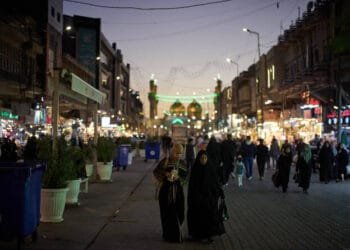
The streets would be bustling with people, decorations would be going up, cheerful Ramadan songs would be played. The atmosphere of anticipation would be like no other.
Then the time would come to prepare food for the iftar meal. The hour before sunset, the whole neighbourhood would be filled with the delicious smell of various foods. The kitchen in every home would be full of people working hard: one would be doing the maqlouba (a meat dish with rice and vegetables), another – the musakhan (a chicken dish), and still another – the mulukhiya (jute soup).
Meanwhile, a neighbour may drop by and bring a platter full of the food his family had just made; he, of course, would not be allowed to go home empty-handed.
With sunset approaching, the iftar table would be laid and everyone would sit down. Soon the call from the mosques to break fast would come, accompanied by the melody of takbirat. Everyone would share the delicious food, chatting joyfully and laughing.
After iftar, men, women, and children would head to the mosques to pray tarawih together, the sounds of the Holy Quran and prayers permeating every part of Gaza. Then the most joyous time of the day would come for children, as moms prepare qatayf, a popular dessert that is only made during the holy month.
Once the qatayf is all gone, families would go visit each other or gather in front of the TV to watch their favourite Ramadan series.
For the people of Gaza, Ramadan is indeed the most special time of year. Gaza during Ramadan is the most beautiful place on Earth.
But this holy month, we cannot celebrate and enjoy worship in peace. The colourful lights and lanterns and the chants and songs have been replaced with the flashes and sounds of Israeli bombs exploding. The joyful noise of children playing outside in the streets has been replaced with the screams of people buried under the wreckage after another Israeli bombardment. The neighbourhoods full of life have been transformed into graveyards. Mosques are not crowded with people because they are all destroyed. The streets are not bustling with people, because they are all covered in rubble. People fast past iftar because they have no food or water.
The views expressed in this article are the author’s own and do not necessarily reflect media’s editorial stance.



 United Arab Emirates Dirham Exchange Rate