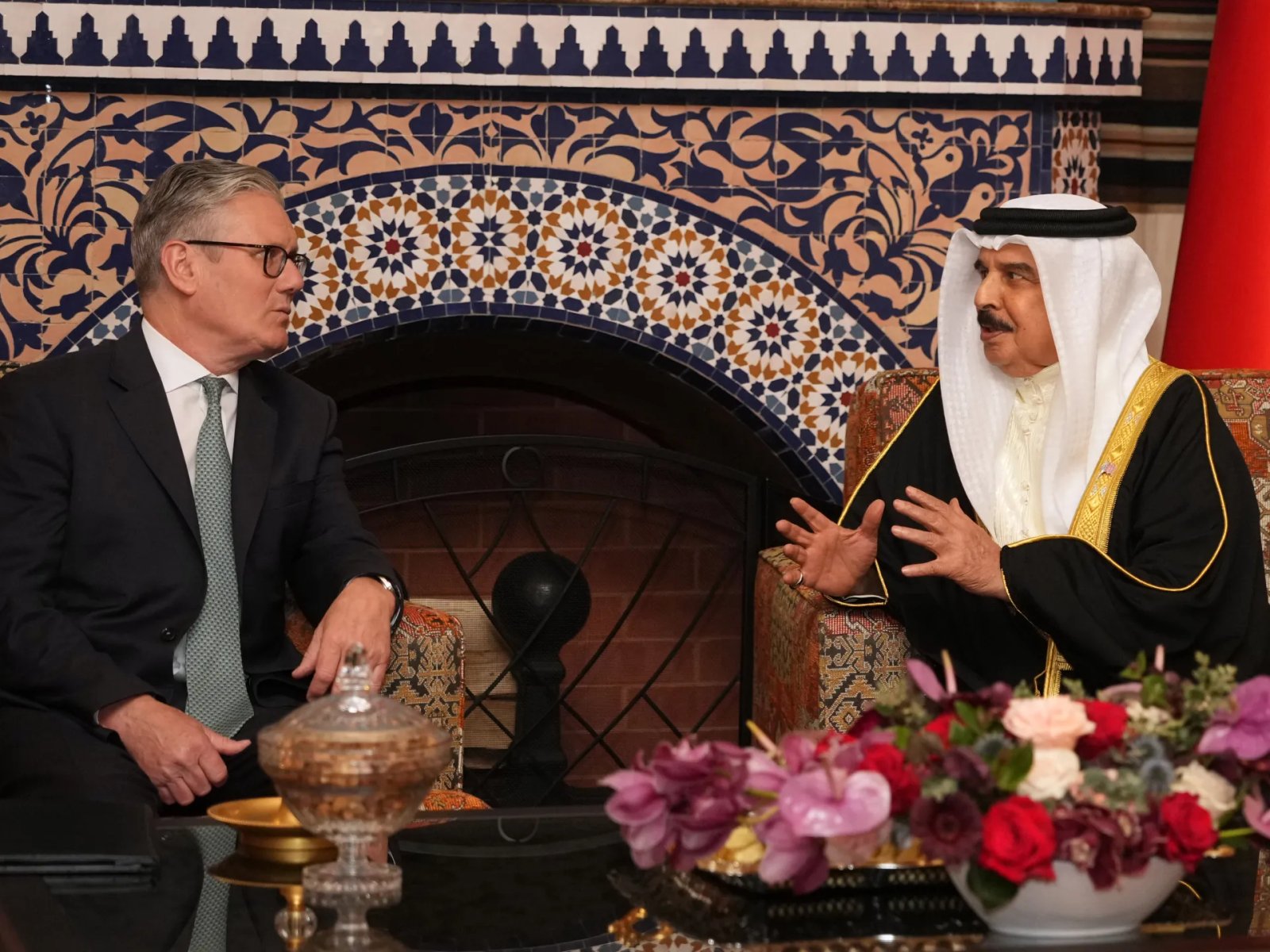
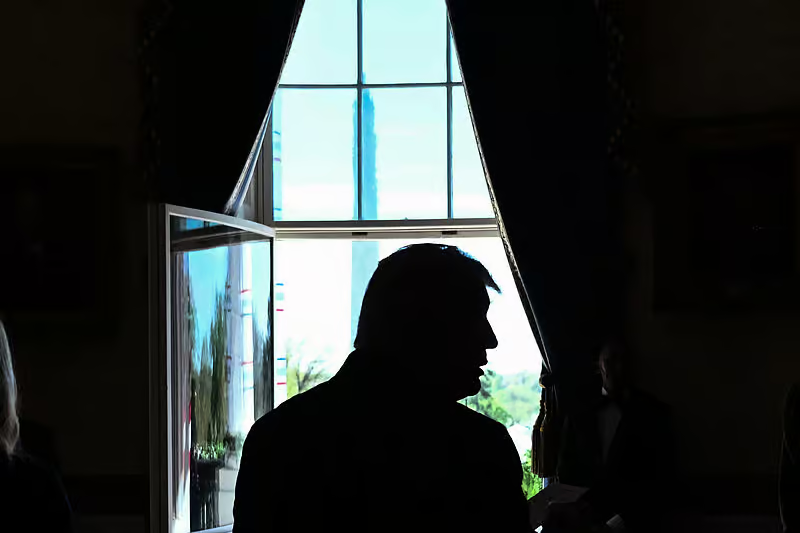
When UK Prime Minister Keir Starmer arrived in the Gulf this week, the message was clear: Britain was back, ready to play a stabilising diplomatic role in a region once again on the brink. Meetings were held, statements issued, alliances reaffirmed.
The choreography of diplomacy was all there.
But the reality unfolding around him told a different story.
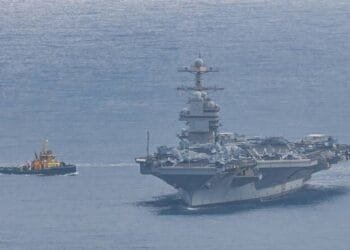
As Starmer moved between Saudi Arabia, the UAE, Bahrain and Qatar, the decisions that actually mattered were happening elsewhere. The fragile ceasefire between the United States and Iran was being shaped in Washington and Tehran.
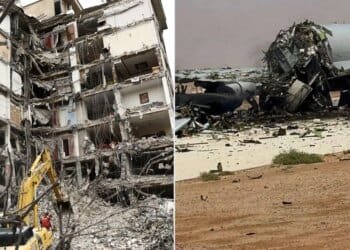
Israel continued its strikes on Lebanon, threatening to derail the entire process. Regional powers were recalibrating their positions in real time.
Britain, despite its presence, was not driving any of it. This is not a temporary misstep. It is the clearest demonstration yet of a longer decline: the United Kingdom is no longer a decisive actor in the Middle East. It is, at best, a supporting voice in a conversation led by others.
The British government insists this is a moment for diplomacy, not military escalation. Starmer has been careful to distance the UK from direct involvement in the conflict, emphasising legality, restraint and the need for long-term stability. On the surface, this appears measured — perhaps even wise.
But diplomacy without influence is performance. The uncomfortable truth is that Britain is not being ignored by accident. It is being bypassed because it no longer carries the weight it once did.
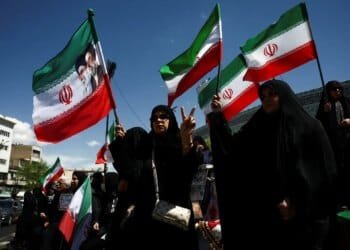
The centre of gravity has shifted. Washington still dominates Western engagement, however inconsistently. Regional powers — from Iran to the Gulf states — are increasingly assertive, shaping outcomes on their own terms. Even within Europe, other actors occasionally project more clarity and purpose.

 United Arab Emirates Dirham Exchange Rate