Recent weeks have seen a significant escalation of military tensions in and around the Baltics. Lithuania, Latvia and Estonia, which are all NATO members, now experience regular incursions into their airspace by Ukrainian drones. According to both Kyiv and the Baltic capitals, those drones, en route to hit targets in western Russia, get diverted by Russian electronic jamming and end up entering these countries’ territories.
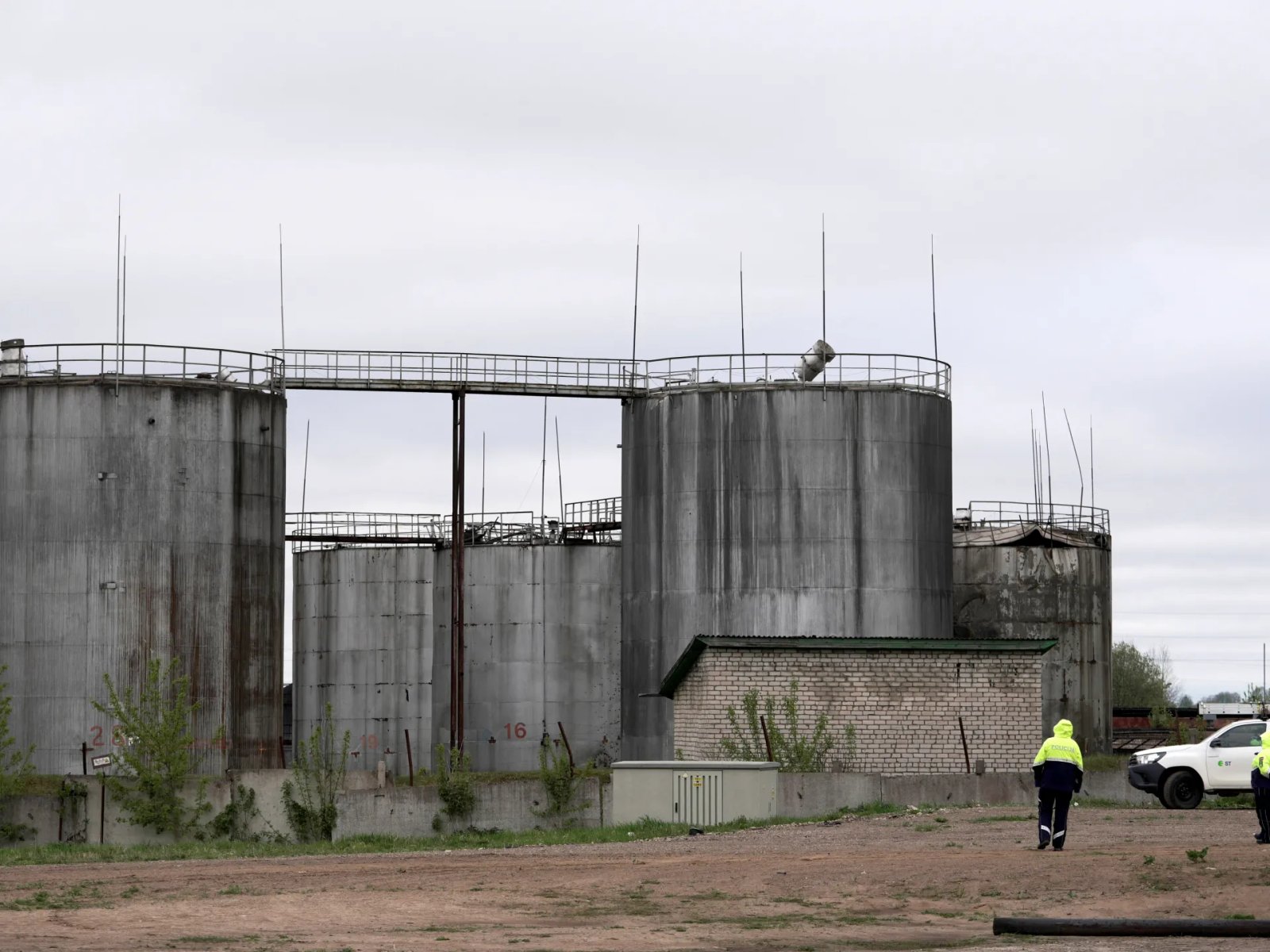
In early May, several stray unmanned aircraft crashed in Latvia, one of them damaging an oil storage facility. Those developments triggered a political crisis in Latvia and led to the collapse of its government. Last week, a drone was shot down over Estonia, and another drone sighting forced Lithuania to suspend train and air traffic temporarily.
Days later, the Russian Foreign Intelligence Service (SVR) and Russia’s representative to the United Nations issued menacing warnings, accusing Baltic states of having greenlit air corridors for Ukrainian unmanned aircraft to attack infrastructure targets in Russia and even hosting Ukrainian drone operators.
The growing tensions in the region are raising the risk of miscalculation. This is why the Baltics urgently need de-escalation mechanisms and communication channels.
The increasing frequency of drone incidents in the region as well as Russia’s latest direct military warnings to the Baltic states indicate two highly dangerous developments.
First, the long-feared horizontal escalation of the Russian-Ukrainian war is already happening. The recent events marked the first time in many decades that air raid sirens have gone off in NATO member states. Even though Moscow and NATO’s Baltic and Nordic capitals have so far stayed out of a direct collision, its prospects appear imminent unless tensions de-escalate in the coming weeks. As Lithuanian Prime Minister Inga Ruginiene noted after the latest drone incident, “war is much closer than ever.”
All this looks particularly perilous as the Baltic region has long been seen as the most likely potential flashpoint between Russia and NATO. The Baltic states sit between the Russian mainland to their east and its exclave of Kaliningrad to their west. Moreover, Latvia and Lithuania also have Russia’s ally Belarus on their southeastern borders.
Besides geography, deeply held historical grievances further fuel confrontational perceptions and biases. It could take just one incident to get out of control for a cascading, deadly regional crisis to become a reality.
Second, this is not just a temporary outbreak of instability that the sides can simply wait out or reverse by minor adjustments of their actions and rhetoric. Instead, the situation amounts to the new normal in Eastern European security and reveals numerous complex geopolitical contradictions that have now surfaced as a systemic problem.






 United Arab Emirates Dirham Exchange Rate