The US-Israeli war on Iran and the closure of the Strait of Hormuz have had a seismic effect across the world. In Southeast Asia, economies have been paralysed due to shortages of oil, liquified petroleum gas and other essential products usually exported through the strait.
The Philippines was the first country to declare a state of emergency as a result, but that has done little to alleviate shortages. The country has seen repeated protests against the spike in prices.
But the impact of the Iran war has not been confined to the socioeconomic sphere. The conflict has also affected Muslim communities in the country, particularly in the Bangsamoro Autonomous Region. It has deepened polarisation among local Islamic scholars, threatening community cohesion.
When the war began, reactions on social media and in public were swift. Broadly, two camps emerged. One camp supported Iran’s retaliatory actions against the United States and its targeting of bases in neighbouring countries. For example, one member of the Muslim community wrote in a social media post that Muslims’ prayers for Gaza were being answered through Iran’s force and retaliation against Israel; another wrote that Tehran is instrumental in restoring the shattered respect and dignity of Muslims.
The other camp opposed Iran, pointing out that it is a Shia nation and therefore hostile to Sunni communities. A scholar from this camp shared the view that the Shia are akin to Zionists, describing the former as a subtle enemy and the latter as a visible one.
This dynamic of clashing perspectives is nothing new among Bangsamoro’s Islamic scholars. An increasingly visible pattern of division emerged after the Abraham Accords established diplomatic relations between Israel and several Arab nations. Such disagreement on a geopolitical issue in the Middle East had never been seen before. This also led to a divide on the Palestinian issue.
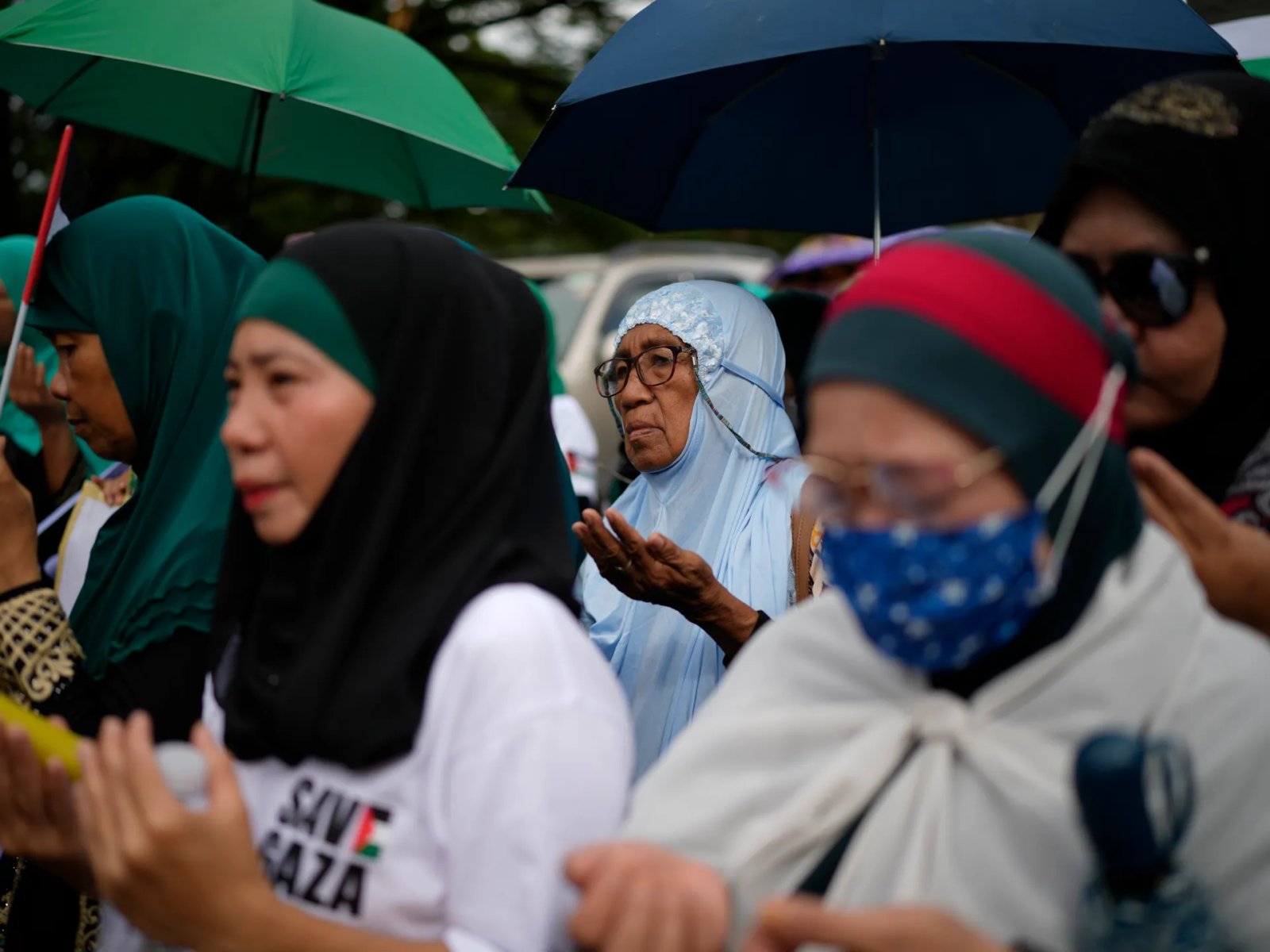
It is important to note here that the Philippines has had a long history of solidarity with Palestine. Demonstrations organised by both Muslim and non-Muslim activists, from the local to the national level, have happened regularly.
However, after the normalisation process, there were unprecedented statements from some Bangsamoro scholars presenting mobilisation for Palestine as an Iranian plot. They argued that the Palestinian resistance movement was an ally of Iran and therefore were deviants and a political tool of Shia power.
When Hamas carried out an attack on Israel on October 7, 2023, the narrative clash deepened. Some scholars echoed Western media and pro-Zionist narratives. They presented the attack as a singular event and ignored the decades-long oppression of the Palestinians by the colonial regime of Israel. The other camp supported Palestinian resistance.





 United Arab Emirates Dirham Exchange Rate