
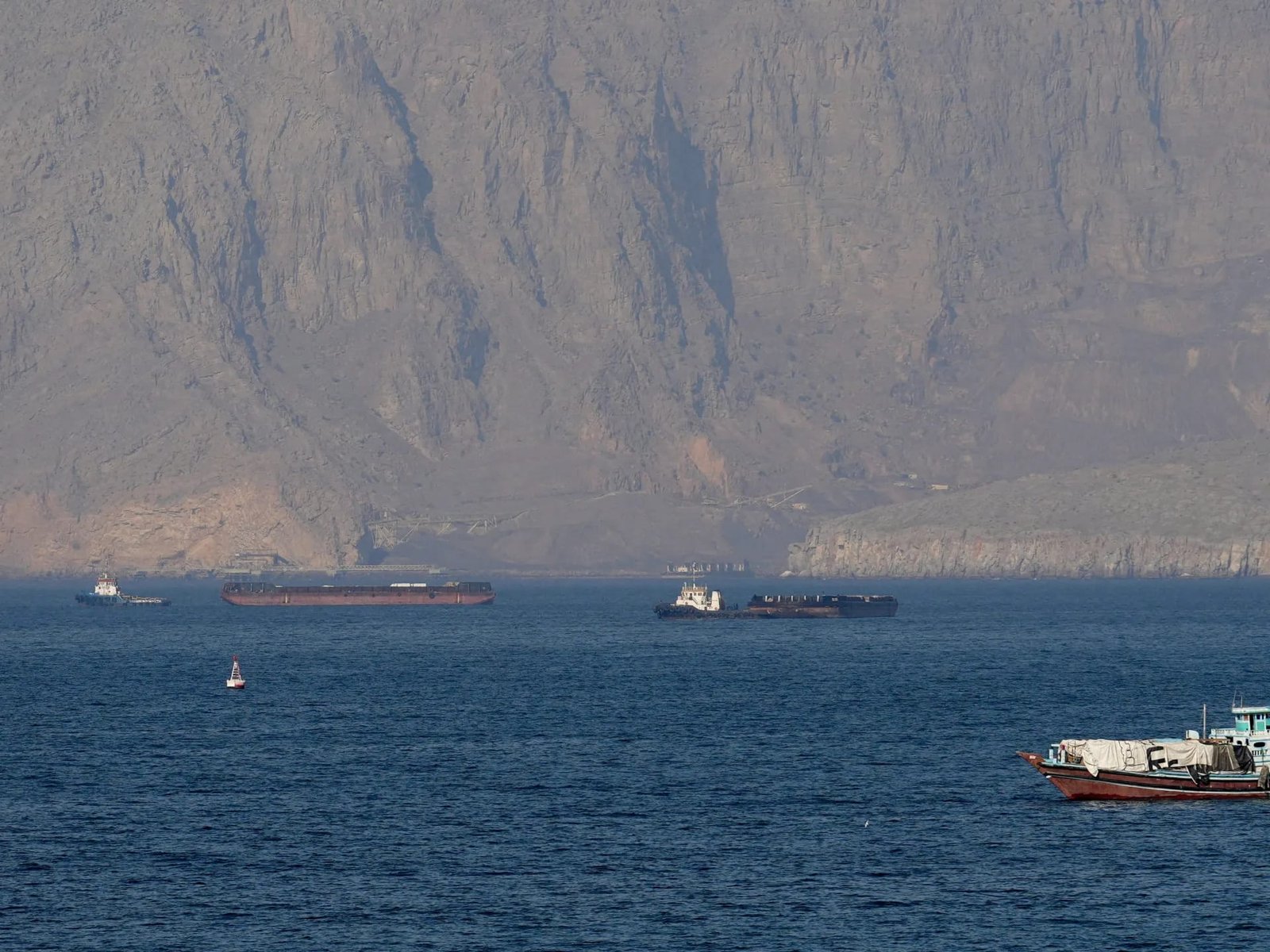
As negotiations between the United States and Iran appear to move towards a possible breakthrough, the stakes extend far beyond diplomacy between two longstanding adversaries. At issue is not simply a ceasefire or a nuclear agreement. It is whether the world economy can avoid sliding deeper into widening energy, food and cost-of-living crises centred on the Strait of Hormuz.
Recent reports suggest Washington and Tehran are discussing a deal that would reopen the strait as part of a broader arrangement. The proposal reportedly includes a 60-day truce, the reopening of shipping lanes, some sanctions relief and renewed talks on Iran’s nuclear programme.
The urgency is obvious. Roughly a fifth of the world’s oil and a substantial share of liquefied natural gas supplies normally pass through the Strait of Hormuz. Over recent weeks, disruptions to shipping, military tensions and competing naval controls have driven up freight costs, energy prices and insurance premiums.
If a durable agreement is not reached soon, the consequences are likely to spread rapidly across the global economy.
To be sure, wealthier economies will feel the effects. Higher fuel prices will intensify inflationary pressures already weighing on households in Europe and North America. Governments confronting slowing growth and persistent cost-of-living concerns will face renewed political pressure as transportation, electricity and food prices rise once again.
But the effects will be far more severe in the Global South.
Many developing economies remain deeply dependent on imported fuel, imported fertiliser and imported food. Energy shocks, therefore, cascade through entire economies. Transport costs rise. Agricultural production becomes more expensive. Food inflation accelerates. Public finances deteriorate as governments try to shield populations from rising prices through subsidies or emergency support.
This dynamic is already visible. Across several import-dependent countries in Africa and South Asia, governments are scrambling to secure alternative fuel supplies while confronting worsening fiscal pressures. The longer the uncertainty around the Strait of Hormuz continues, the greater the likelihood that inflationary shocks will deepen existing debt crises and social instability.
Indeed, the global economy remains extraordinarily vulnerable to narrow geopolitical chokepoints. The Strait of Hormuz is not simply a regional waterway; it is one of the central arteries of global capitalism. When it becomes militarised or partially blocked, the consequences reverberate worldwide within days.





 United Arab Emirates Dirham Exchange Rate