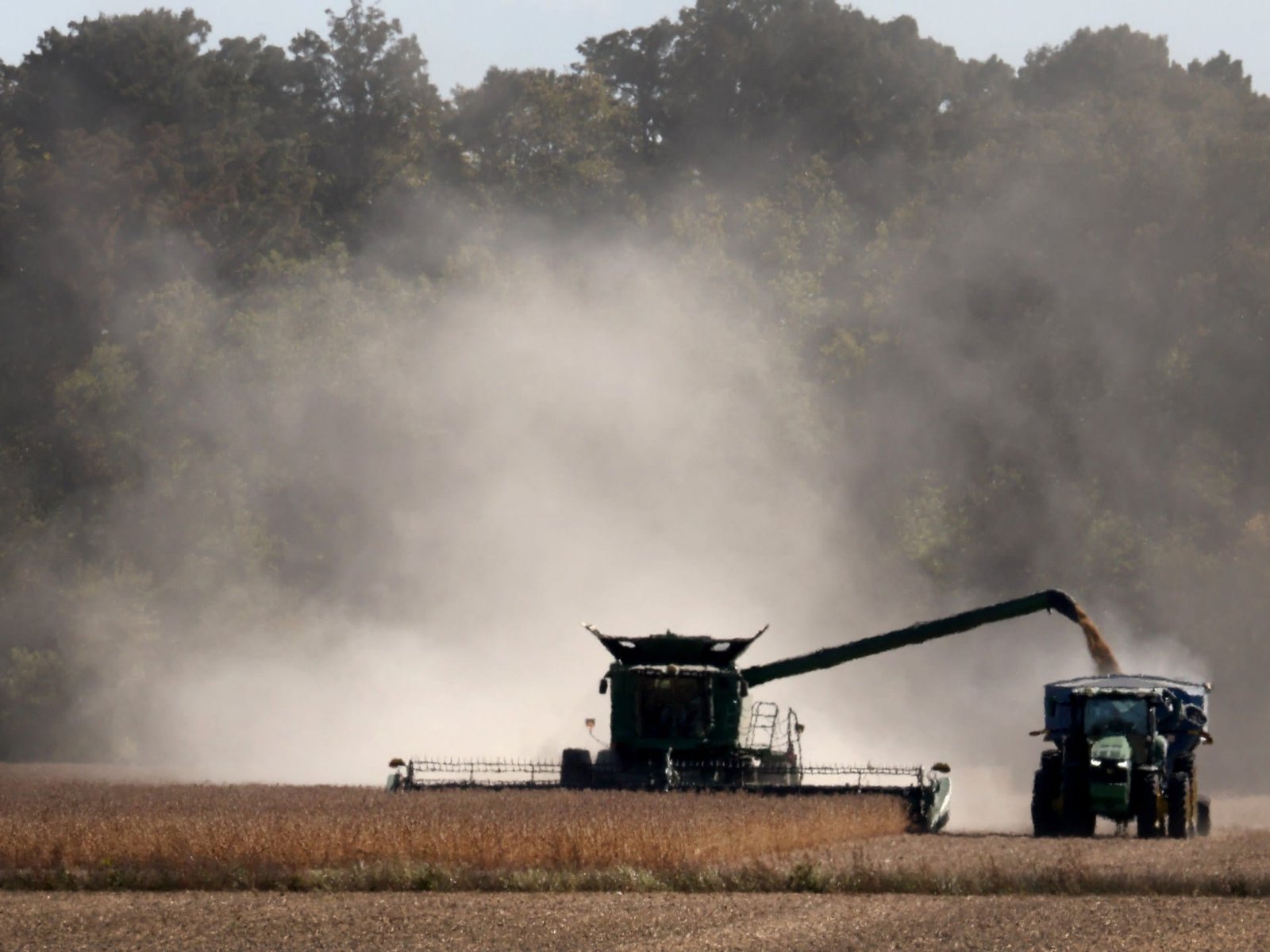
After United States President Donald Trump suspended his “reciprocal tariffs” on major US trading partners on April 9, he ramped them up on China’s goods. US trade levies on most imports from China have climbed to 145 percent. Beijing retaliated with duties of its own, at 125 percent on US goods.
Trump has long accused China of exploiting the US on trade, casting his tariffs as necessary to revive domestic manufacturing and reshore jobs back to the US. He also wants to use tariffs to finance tax cuts. Most economists remain sceptical Trump will achieve his aims.
For now, the US and China are locked in a high-stakes game of chicken. The world is waiting to see which country will yield and which will stay the course. As Trump nears his first 100 days in office for the second time, here’s where the tariff war with China stands:
Trump recently played up the possibility of securing a trade deal with China. Last week, the US president said his tariffs on China will “come down substantially” in the near future.
“We’re going to have a fair deal with China,” Trump told reporters on April 23, stirring hopes of a de-escalation. He also said his administration was “actively” negotiating with the Chinese side without elaborating.
On April 24, however, China’s Ministry of Commerce rebuffed president Trump’s remarks, saying there were no talks taking place between the two countries.
“Any claims about the progress of China-US economic and trade negotiations are groundless and have no factual basis,” ministry spokesman He Yadong said.
While he insisted that Beijing won’t duck any economic blows from Washington, he also said the door was “wide open” for talks.
Last week, the Reuters news agency reported that China was evaluating exemptions for select US imports – a list of up to 131 products.



 United Arab Emirates Dirham Exchange Rate