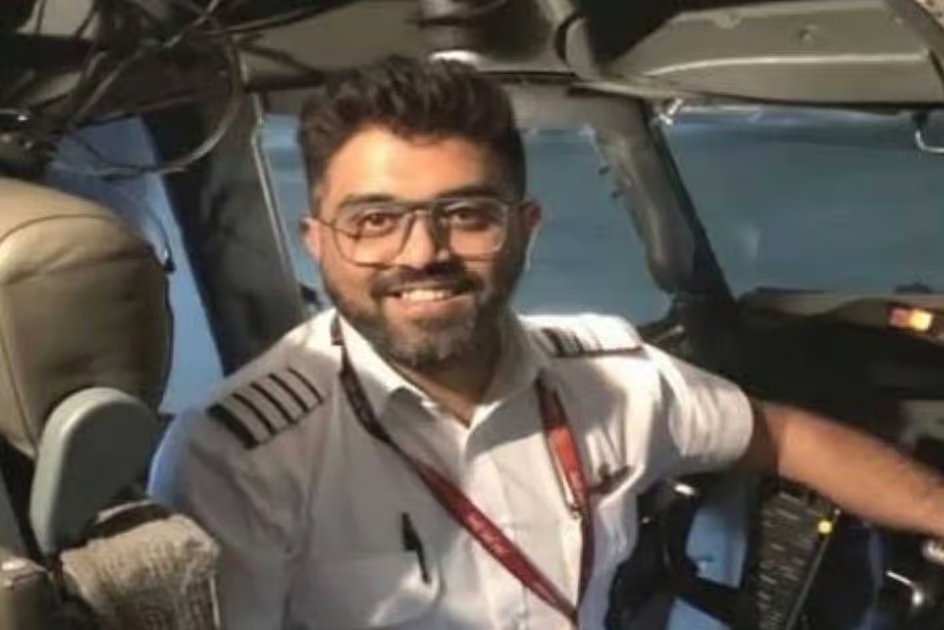
Piecing together official findings and witness testimony, media reconstructs how the cockpit attack unfolded and how the aircraft was brought safely to ground
Passengers aboard flydubai flight FZ1073, travelling from Dubai to Tel Aviv on September 30, knew something had gone badly wrong before they knew why.
The aircraft suddenly plunged. People screamed. Children cried. One passenger recalled being convinced she was going to die.
What happened inside the cockpit?
Three days after the incident, UAE investigators revealed what had triggered the emergency. UAE Attorney-General Dr Hamad Saif Al Shamsi said on October 3 that investigators had established that the co-pilot had attempted to carry out a terrorist act during the flight. The co-pilot attacked Captain Smit Machchhar inside the cockpit using the aircraft’s crash axe and attempted to take control of the flight controls, according to the investigation. Machchhar’s own accounts offered a glimpse of what those moments inside the cockpit were like.
Speaking to Israeli Prime Minister Benjamin Netanyahu on October 3, the captain said that when he first felt a heavy blow to the back of his head, he initially thought something catastrophic had happened to the aircraft.
Then the blows continued.
That was when, he recalled, he realised the danger was coming from the other person inside the cockpit.
Machchhar tried to stop the attack, but said his vision was rapidly fading as the aircraft pitched sharply downwards. He managed to open the cockpit door, only for the attacker to shut it again. Machchhar recalled being on the floor and hearing people screaming outside. Despite his injuries, he reached for the knob, turned it and opened the cockpit door again, allowing his colleagues to rush in. “I had that one last fight in me and gave it my all.”
Machchhar had described the same crucial moment a day earlier during an emotional video call from his hospital bed with Indian Prime Minister Narendra Modi. He recalled fighting for his own life but knowing he “couldn’t let everyone die”.
The General Civil Aviation Authority (GCAA) has since commended the “remarkable courage and speed of response” of Machchhar, the flydubai crew and the passengers who helped bring the situation under control.
Screams and panic in the cabin
For passengers, the first sign of the crisis was the sudden movement of the aircraft. Mika Bauman told CNN that the plane abruptly dropped and began to spin slightly.
Another passenger interviewed by The Jerusalem Post described “terrible screams” from children as the aircraft plunged.
Adam Polovincik, who was travelling with his wife and two young children, told the BBC that the sudden descent initially felt like the aircraft had hit an air pocket. But it continued. He recalled hugging his children and trying to reassure them even as there was a “huge degree of panic” around them.
Then the cockpit door opened. Passengers rushed forward and helped overpower the co-pilot.
He was pinned down and restrained using a headphone cord, according to witness accounts. Plastic zip ties were later brought and used to secure him more firmly, while others attended to the badly injured captain.
Who landed the aircraft?
With the co-pilot restrained and the immediate threat contained, the focus shifted to getting the aircraft safely on the ground.
Flydubai said on-duty crew travelling on the flight intervened, secured the aircraft and diverted it to Tabuk Airport in Saudi Arabia, where it landed safely. The airline has not identified the individual pilot who carried out the landing.
Flydubai CEO Ghaith Al Ghaith later thanked the pilots who “secured the aircraft and landed it safely”, along with Machchhar, the cabin crew and passengers who helped during the emergency.
The GCAA also credited the captain, crew and passengers for their “decisive and swift intervention”, saying their actions helped contain the situation and prevent more serious consequences.
The investigation is now focused on establishing the full circumstances and motive behind the attack, as well as any related links, while technical examinations and analysis of physical and digital evidence continue. UAE authorities have said the final findings will be announced once all necessary procedures are completed.






 United Arab Emirates Dirham Exchange Rate