As the world focuses on Israel’s war with Iran, violence against Palestinians has scaled up in the occupied territories.
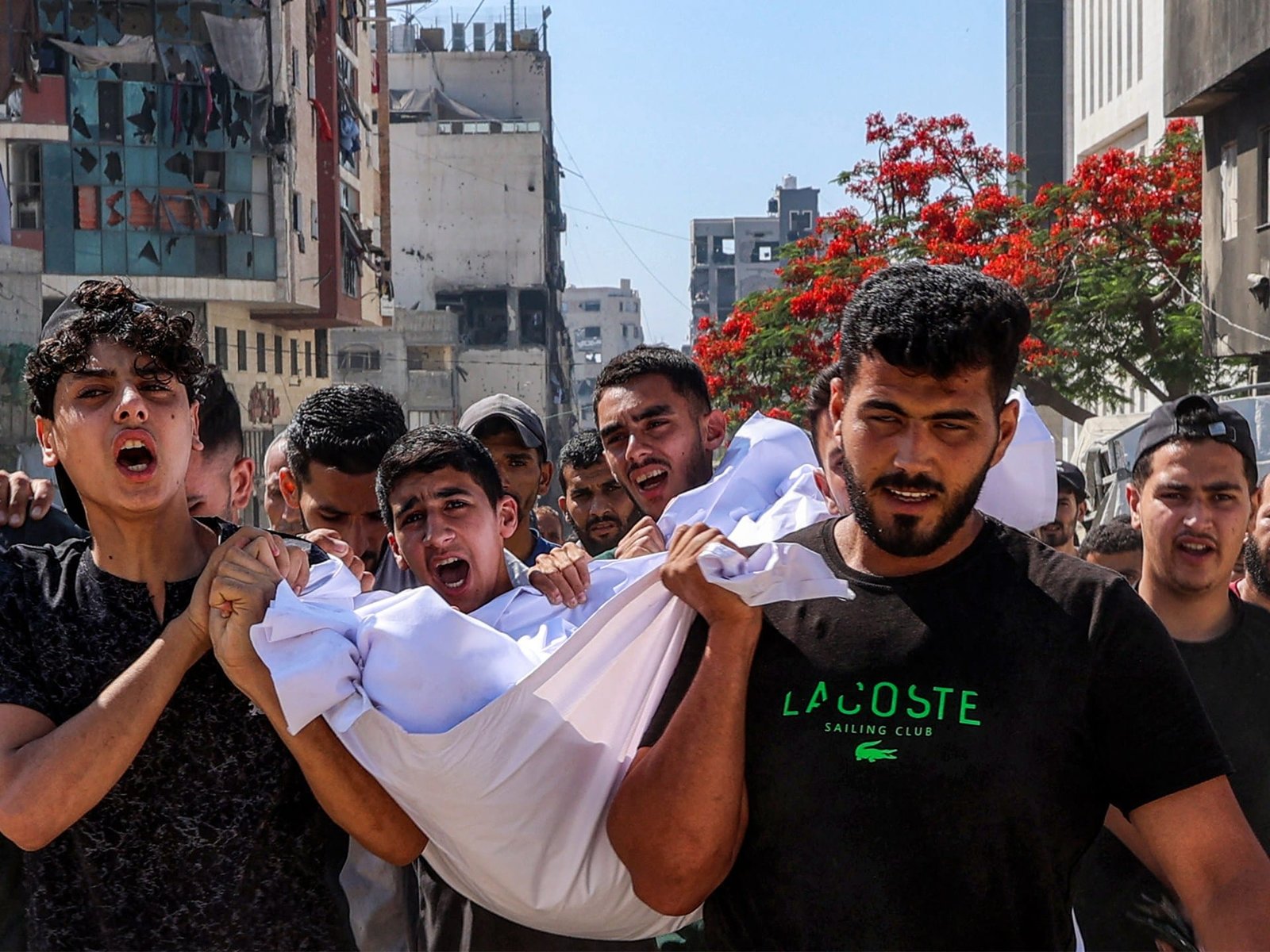
On Thursday, Israeli troops killed at least 16 Palestinians trying desperately to get food in Gaza. On Wednesday, it was at least 29 Palestinians. The day before, at least 70 Palestinians were killed by Israeli forces as they gathered at a Gaza Humanitarian Foundation (GHF) aid distribution site in Khan Younis.
They were gunned down by drones, machine gun fire and tanks, according to survivors.
On Monday, at least 38 were killed in a similar manner while trying to get food, mostly in Rafah. And on Sunday, at least 17 were killed in southern and central Gaza.
The GHF is an Israeli and United States-backed body staffed by private security contractors. Israel set it up in May to replace United Nations-led relief operations, yet dozens of Palestinians have been gunned down on at least eight occasions at GHF sites.
“This happens to some extent every day. It’s becoming a routine,” said Yasser al-Banna, a journalist in Gaza.
“Now that Israel has started a war with Iran, everyone here in Gaza is scared that the world is going to forget about them,” he told media.
After the latest attack on Palestinians desperate for food, analysts and human rights monitors told media that they believe Israel is likely to commit more “massacres”, while prioritising the welfare of Israelis as the war with Iran drags on.
“Israel is using the diverted attention away from Gaza to continue to carry out atrocious crimes against starving civilians,” said Omar Rahman, an expert on Israel and Palestine for the Middle East Council on Global Affairs think tank.
“We have also seen a lot of military and settler activity in the West Bank in recent days,” he told media.
Israel’s violence against helpless Palestinians at the GHF site on Tuesday resulted in the highest single death toll at any GHF site since the controversial organisation began operations last month. It has been lambasted for what opponents have called the militarisation of humanitarian aid relief.
Yet Israel’s chokehold siege on the enclave has pushed Palestinians to make an impossible choice: Whither away from hunger or risk their lives to obtain a food parcel.
“Israel’s whole GHF scheme is just a way to increase the humiliation of Palestinians,” said Ibrahim Nabeel, a Palestinian medic who has treated victims of the GHF attacks.
Along with sustaining its genocidal war in Gaza, Israel has also tightened its occupation over the West Bank since it began attacking Iran.
The lockdown has spread fear that Palestinians may be suspended from their livelihoods or unable to stock up on basic necessities in case the Israel-Iran war drags on.
Many Palestinians have also reported that there is a major fuel crisis throughout the West Bank.
“Most of our basic imports come from Israel … and Israel is prioritising its society, not us,” said Murad Jadallah, a human rights researcher with Al-Haq, a local organisation that advocates for Palestinian rights.
Meanwhile, Israel continues to carry out deadly raids across the West Bank. According to the Wafa Palestinian news agency, Israeli troops stormed a village east of Ramallah on June 18.
After storming several homes, Israeli troops warned former detainees that they would be arrested again, while others were assaulted, according to Wafa.
Over the past week, Israel has also expelled dozens of Palestinians from their homes when they stormed a refugee camp on the outskirts of Nablus city, Jadallah from al-Haq told media.
In addition, Israel arrested at least 60 Palestinians across the West Bank between Tuesday evening and Wednesday morning, Wafa reported.
“The Israelis are still continuing their raids. Just last night, in fact, they came to our village and arrested a young man and then destroyed his home,” said Layth Barakat, a farmer who lives east of Ramallah.
Like much of the world, Palestinians were shocked when Israel attacked Iran.


 United Arab Emirates Dirham Exchange Rate