
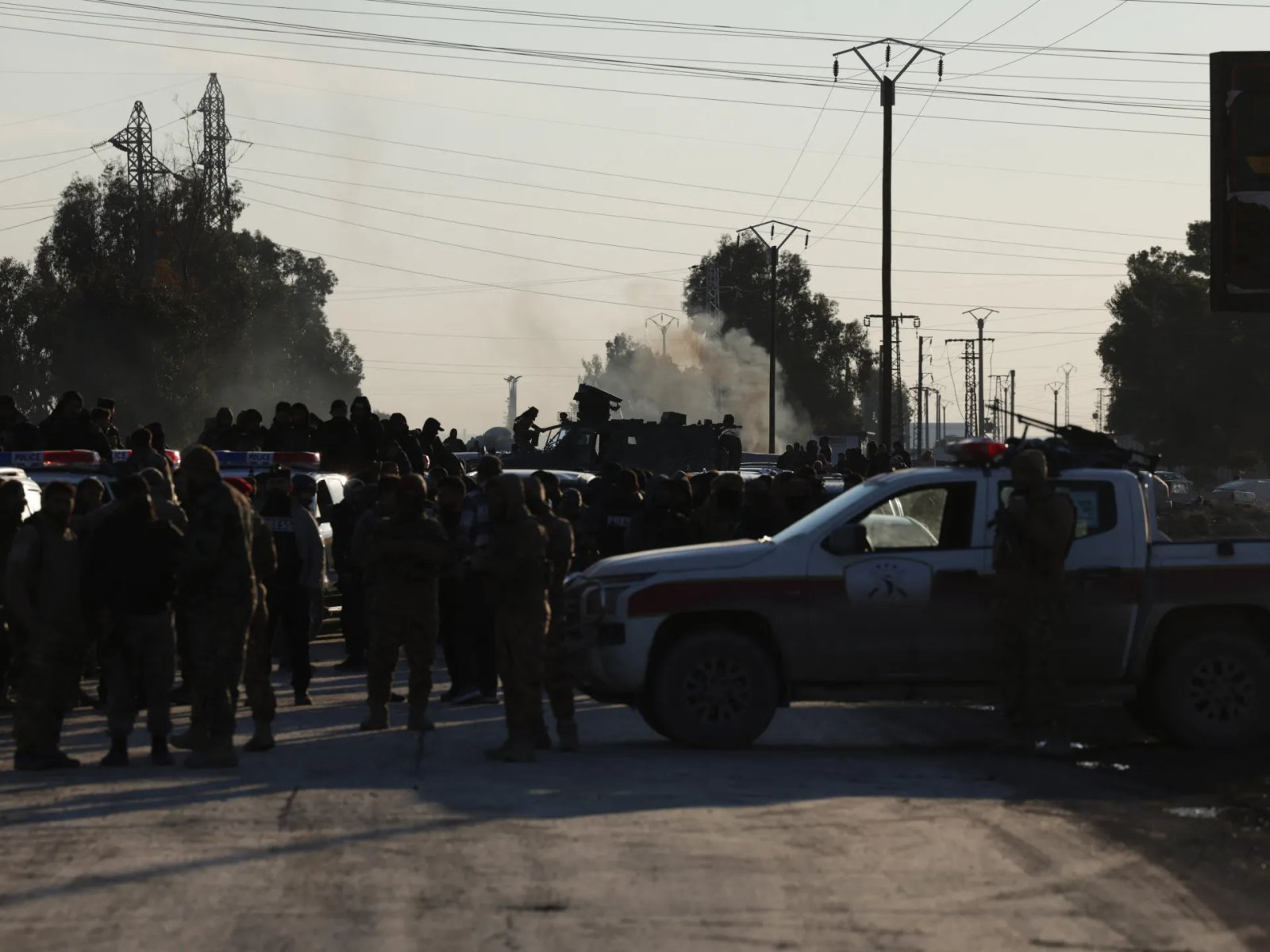
Tensions between the Syrian government and the Kurdish-led Syrian Democratic Forces (SDF) have been escalating, days after they announced a ceasefire, which is being severely tested by renewed fighting, involving the withdrawal of the latter’s forces from areas west of the Euphrates River.
Talks in Damascus between Syrian President Ahmed al-Sharaa and SDF leader Mazloum Abdi, also known as Mazloum Kobani, have faltered, and Abdi has returned to the northeast.
Contention and a blame game have surrounded the issues of ISIL (ISIS) prisoners who escaped from al-Shaddadi prison during the fighting between the army and the SDF. Syria’s Ministry of Interior said on Tuesday that 130 of 200 ISIL escapees had been recaptured.
The ministry accused the SDF of releasing ISIL fighters from the prison in the northeastern city of al-Shaddadi as a form of “political and security blackmail”. The army said it deliberately bypassed al‑Shaddadi prison in line with an agreement that the SDF would later hand control of the facility to authorities in Damascus.
The SDF has blamed the Syrian army for the prison break, saying it “lost control” of the jail after an attack by tribal fighters affiliated with the army.
SDF commander Fawza Youssef on Tuesday blamed al-Sharaa’s government for failing to uphold the deal.
“There is no political will on the part of the government to implement a ceasefire,” he told media. “If the violations and attacks continue, the SDF cannot be disarmed.”
The agreement reached on Sunday between al-Sharaa and Abdi stipulates the withdrawal of the SDF from Raqqa and Deir Az Zor, parts of which are east of the Euphrates, within a month.
A spokesperson for the Interior Ministry accused the SDF of “trying to deflect blame” as it faced internal divisions.





 United Arab Emirates Dirham Exchange Rate