The Israeli rhetoric about the war on Lebanon is simple. Israel has been fighting with Hezbollah since 1982 – first for 18 years inside Lebanon, and then for two decades from Israeli territory. The ongoing operation has been coming for 20 years.
Despite past successes, Hezbollah continues to be a threat to northern communities in Israel. The Israeli army is not only clearing Lebanon’s south of its infrastructure, but also putting pressure – militarily – on the Lebanese state to disarm it.
I have outlined these Israeli rationales because the Middle East has gotten used to hearing them being rolled out in procession every time Israel decides to “go aggressive”.
The reality is that Lebanon is a perfect target for Israeli sentiments. It has a weak military, and the Lebanese state apparatus is in constant flux due to power arrangements between Christians and Sunni and Shia Muslims. Lebanon also has Israel’s most consistent military foe right on its border with Israel.
Still, these are mostly a “strategic” cover for the most potent rationale that drives the present campaign against Lebanon. That rationale revolves mostly around domestic Israeli political considerations and the urgent need to score a win amid dramatic failures.
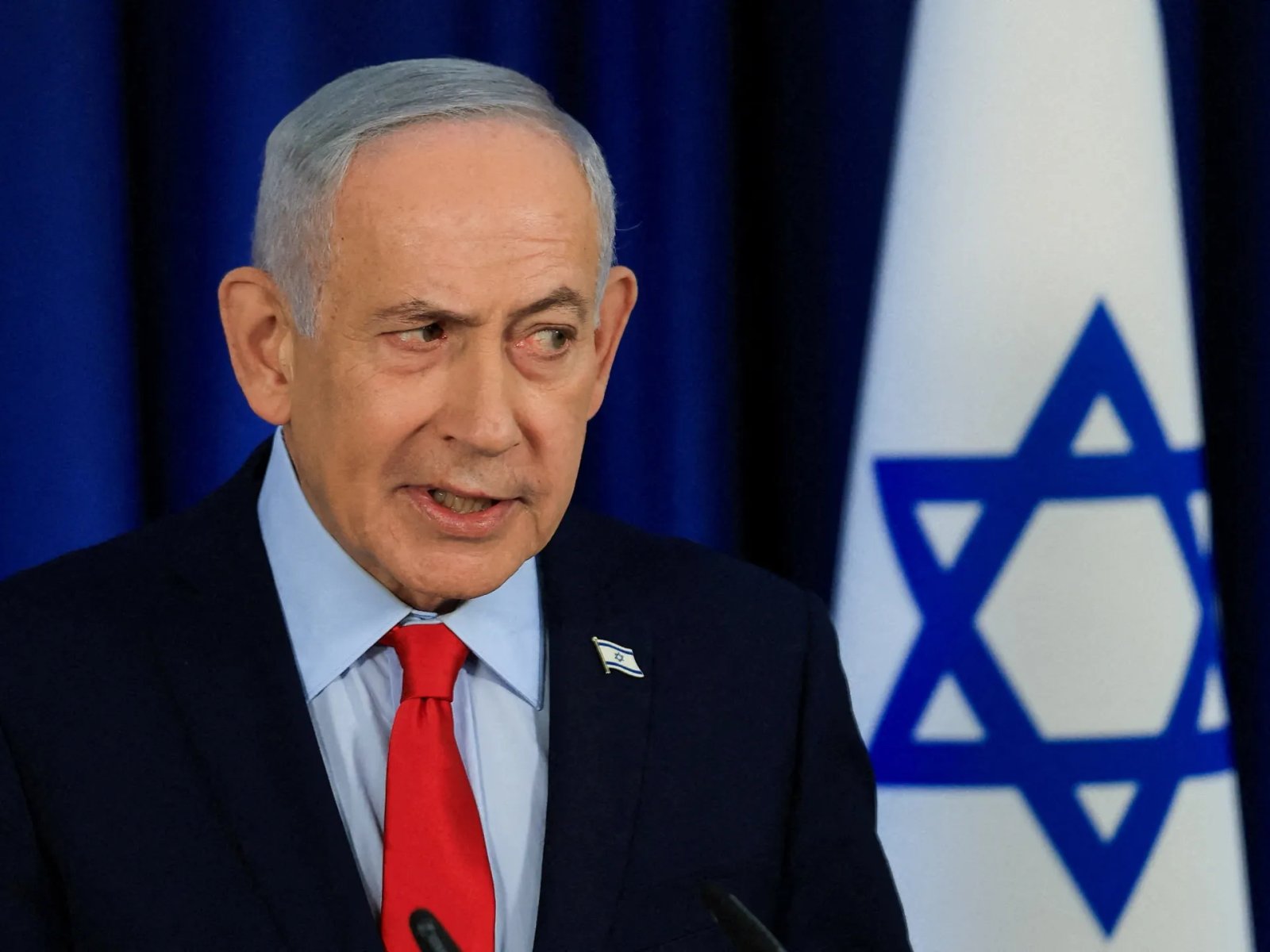
So far, Israeli Prime Minister Benjamin Netanyahu’s government has failed to guarantee “security” to its citizens, in the sense of achieving any kind of effective victory against Hamas or Iran. Mass annihilation is not triumph. Israel has lost steam in its struggle to control the short- and medium-term futures of both Iran and Palestine.
Netanyahu’s closest ally, United States President Donald Trump, is negotiating directly with Iran. The US president is undoubtedly “briefing” Israeli officials, but is likely less than receptive to any Israeli advice given the failed Israeli promise of a quick and decisive win. Meanwhile, discussions about the future of Palestine are stalled while Hamas continues to be in control of parts of Gaza.
Israel is demanding that Hezbollah, like Hamas, be “completely disarmed”. That, according to anonymous Israeli army sources in Israeli media, can only be possible if Lebanon and Gaza are completely occupied.
Occupation is war, not a “military operation”; there are no heroic strikes, bombing videos or destruction posing as victory. Occupation, as Israel knows only too well, brings quotidian death, a slow drowning in the politics of oppression.







 United Arab Emirates Dirham Exchange Rate