
When I visited the United Nations Security Council last December to present the Hope Government’s vision for peace in Sudan, I looked at those corridors that I knew well from my many years of work at the United Nations.
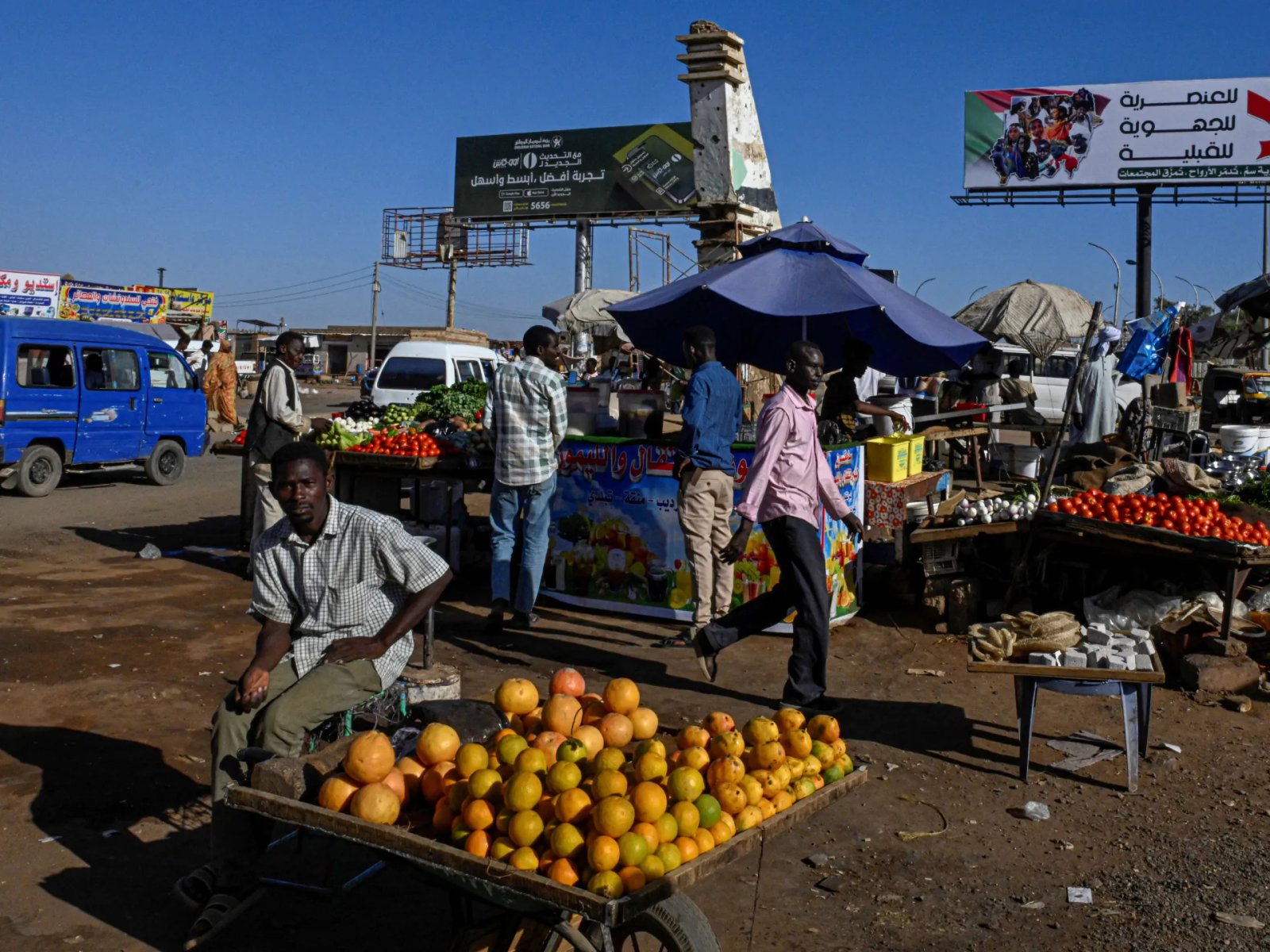
But my thoughts were elsewhere, back in my country, where my mind was filled with images of the ordinary people displaced by the Rapid Support Forces militia from their villages and farms, and of the fear spread among civilians in the cities when their money was looted, their dignity violated, and their hopes for security and safety shattered.
My country could have fallen apart and been swept away by the winds of conspiracy had it not been for the vigilance of our brave army, supported by the Joint Force and the popular resistance.
Despite all this bitterness, we had to carve a path through stone and find a way out of war for our country. In that spirit, the Hope Government initiative for peace in Sudan was launched. It was built through a purely national effort in which roles were integrated, ideas exchanged, and previous initiatives built upon. Our minds and hearts remain open to anyone who extends a peaceful hand and seeks the advancement of the nation, the protection of its unity, and the preservation of its sovereignty.
The Hope Government initiative called for a comprehensive ceasefire under joint supervision by international and regional institutions, along with the assembly of the rebel militia in agreed and designated locations. It also called for facilitating the voluntary return of displaced people and refugees to their regions, accompanied by humanitarian aid to those in need.
The initiative also proposed a model of transitional justice that balances forgiveness and reconciliation, while ensuring that those involved in war crimes are not granted impunity.
The Hope Government initiative addressed the political track in depth in order to reach an elected government that reflects the will of the Sudanese people, following a Sudanese-Sudanese dialogue focused on how Sudan should be governed, how peaceful transfer of power can be preserved, and how to place my country where it belongs among advanced nations. That is the place Sudan deserves, were it not for political divisions and the estrangement of political elites who have too often failed to listen to the Sudanese people or reflect their concerns.
Today, my country is entering the fourth year of a war imposed on our people. The spark was ignited by the Rapid Support Forces militia when it violated army traditions and laws and moved to surround the airport in the northern Sudanese city of Merowe on April 13, 2023. Before that, it had transferred heavy weapons from various regions to Khartoum, along with thousands of fighters.
This war would not have reached its fourth year and caused all these tragedies and losses without major regional support, which came as part of a broader conspiracy to plunder Sudan’s resources and seize control of its national decision-making.





 United Arab Emirates Dirham Exchange Rate