
Assam, India – Makon Kumar’s wrinkled fingers are covered in dried-up clay. She squats on the damp dirt outside her one-room, bamboo-stilted home and spins a pottery wheel – a palm-sized grey bowl – with her left toe.
Inside the bowl is a lump of newly-bought wet clay, which Kumar slaps, flattens and curves into the pot’s base.
“My grandma and her grandma passed this practice down to us. We are not farmers, we have no land, and this is our work,” 60-year-old Makon said as she pressed her fist into the clay and carved out the pot’s mouth.
Makon belongs to the Kumar community of about 540 people, whose women have been known for their unique pottery work since the 16th century. These women avoid machinery or a potter’s wheel but rely on their toes to spin a plate or bowl with clay.
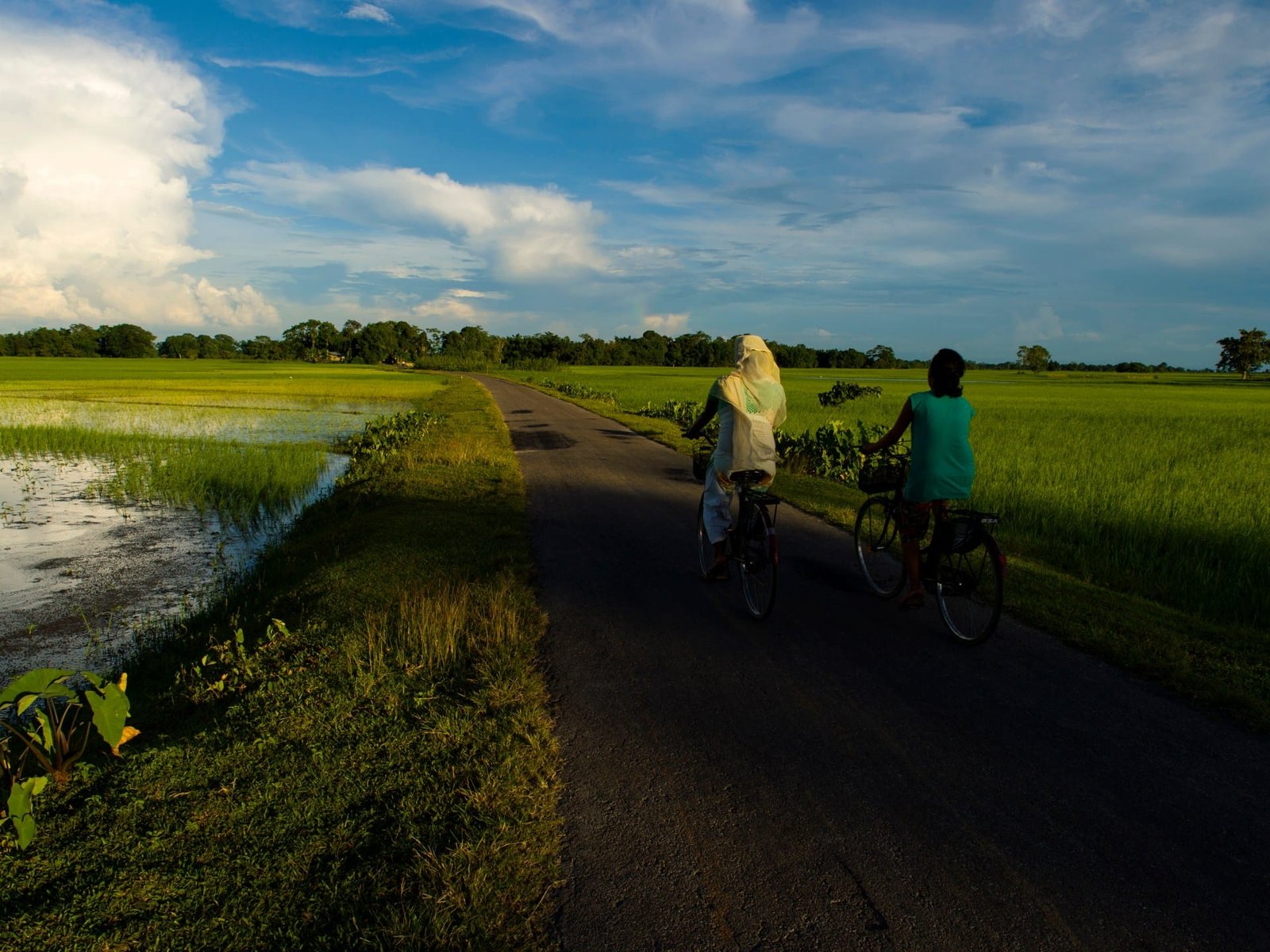
The Kumars live on Majuli, an island district between the Subansiri and the mighty Brahmaputra rivers in India’s northeastern state of Assam. Home to nearly 200,000 people, which includes people from other ethnic groups, Majuli has shrunk from 1,300sq km (502sq miles) to 483sq km (186.5sq miles) in a century due to erosion caused by annual monsoon rains and floods.
During the monsoon season, which can stretch from May to September, the floodwaters can get more than 1.5 metres (5 feet) high, forcing Makon and the other Kumars to either seek shelter at the highway bordering the village or stay trapped inside their homes.
Last week, the Assam State Disaster Management Authority (ASDMA) said there were more than 72,000 people taking shelter in 355 relief camps across the state due to the floods, which have also killed at least 24 people this year.
During the floods, the Kumars’ pottery business comes to a halt, interrupting their main source of income. Moreover, the lack of flood prevention efforts by the authorities has worsened their condition.
“[Our family] used to get clay from the banks of the Brahmaputra River,” Makon told media.







 United Arab Emirates Dirham Exchange Rate