I recently visited Khartoum for the first time since the war started. It quickly became clear to me that the world still doesn’t fully comprehend what has happened there. In the streets of Sudan’s capital, the destruction was apocalyptic. A city that used to have a population of 7 million seemed almost empty as we drove through its districts.
The buildings were almost all destroyed or partially flattened by shelling and air attacks, while those left standing were riddled with bullet holes. I had never seen this scale of destruction before in my 30 years of working with Islamic Relief.
The difficulty in accessing many areas, and the sense that this a complicated war in a faraway place, means the crisis has not received anywhere near the international attention it needs.
There are more than 58,000 recorded deaths so far, but there are estimates that as many as 150,000 may have been killed. It is hard to track casualty numbers when the country’s infrastructure lies in ruins and millions of people are displaced.
People are not just dying from violence but from disease and starvation. There have been repeated outbreaks of cholera, viral hepatitis, meningitis, yellow fever, and other infectious diseases. The war has created the world’s biggest hunger crisis, where 29 million people, 62 percent of the population, now don’t have enough food. And famine continues to spread.
Local community kitchens run by volunteers are at the heart of the fight to stop famine, but they urgently need more support. Islamic Relief recently conducted research that found 42 percent of the 844 surveyed kitchens across the country have shut down in the last six months due to a lack of funds and supplies.
Now the US-Israel war on Iran is choking supply chains and exacerbating Sudan’s hunger crisis, with food and fuel prices doubling and pushing even more families into hunger.
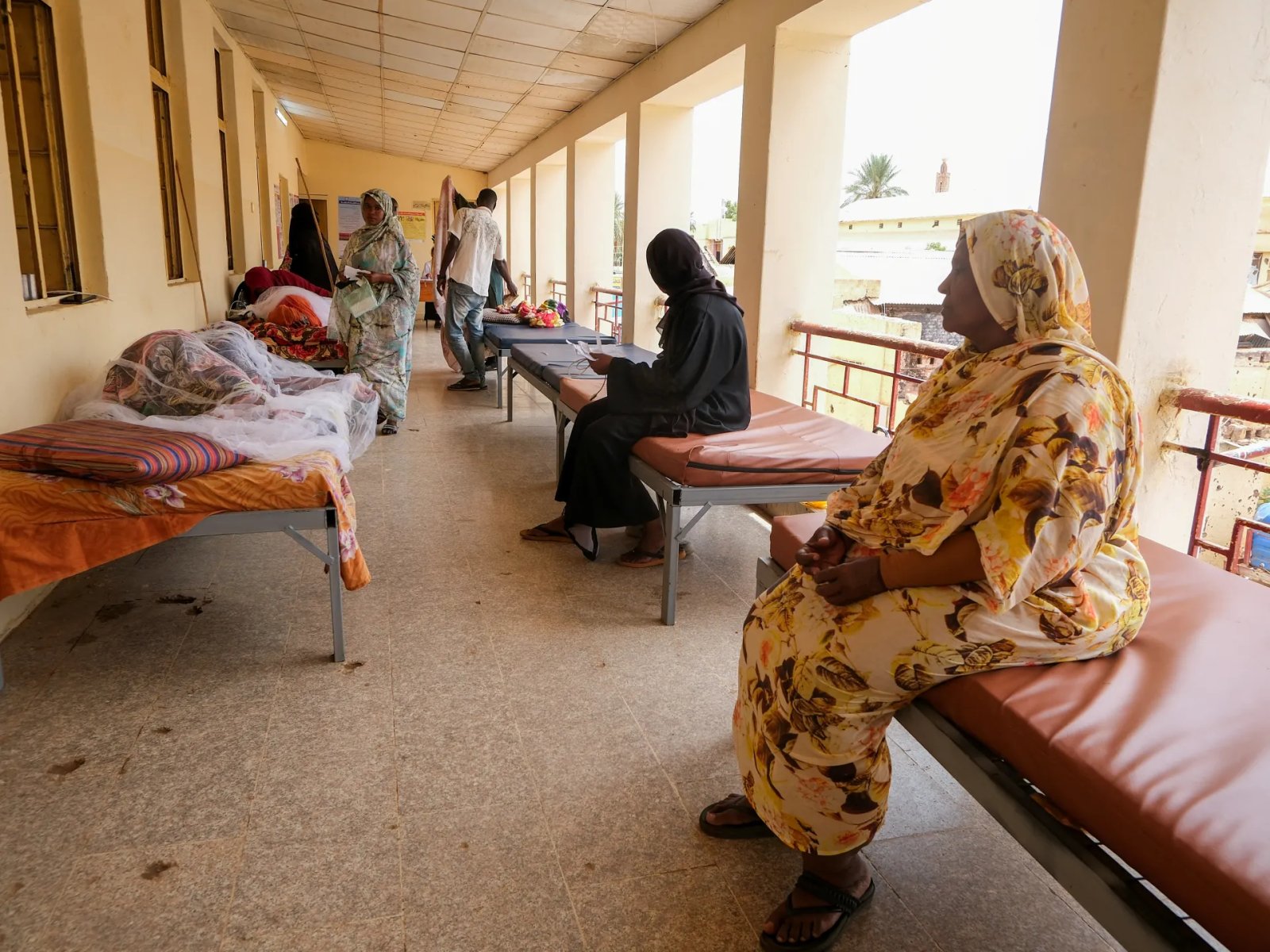
In the western regions of Darfur and Kordofan, people continue fleeing horrific atrocities: Drone attacks on hospitals and schools, towns under siege, villages burned down, and aid convoys bombed. I am in awe of our staff there who continue to work in such extreme conditions and help the displaced as much as they can. And yet, there is still so much need that is not met.
Even in Khartoum and the east of the country, where there are improvements in security and displaced families have started going back to their communities, the situation is bad.




 United Arab Emirates Dirham Exchange Rate