“We are going to do what we did in Gaza.”
That’s how a senior Israeli official described the Israeli ground invasion of Lebanon. The threat is real. Similar tactics to those used in Gaza are playing out in Lebanon: evacuation orders followed shortly thereafter by the wholesale destruction of entire apartment blocks, dozens of medics and first responders killed, Israeli soldiers looting the homes of civilians, infrastructure – including bridges connecting the south to the rest of the country – decimated. After a month, more than 1,200 people have been killed, including more than 120 children. One million have been displaced.
If Israel’s operations in Lebanon continue, worse will follow. As in Gaza and the West Bank, there is a real possibility that land now occupied by Israeli forces in Lebanon won’t ever be returned, but instead slowly settled and annexed.
Israel’s violations of international law in Gaza are so unequivocal that former allies and Western states, most recently Iceland and the Netherlands, have joined South Africa’s case at the International Court of Justice (ICJ) alleging that Israel has committed genocide in Gaza. Even Germany, an almost unconditional backer of Israel, has decided it can’t defend the country at the ICJ; last month, it formally withdrew its support for the Israeli side in the case.
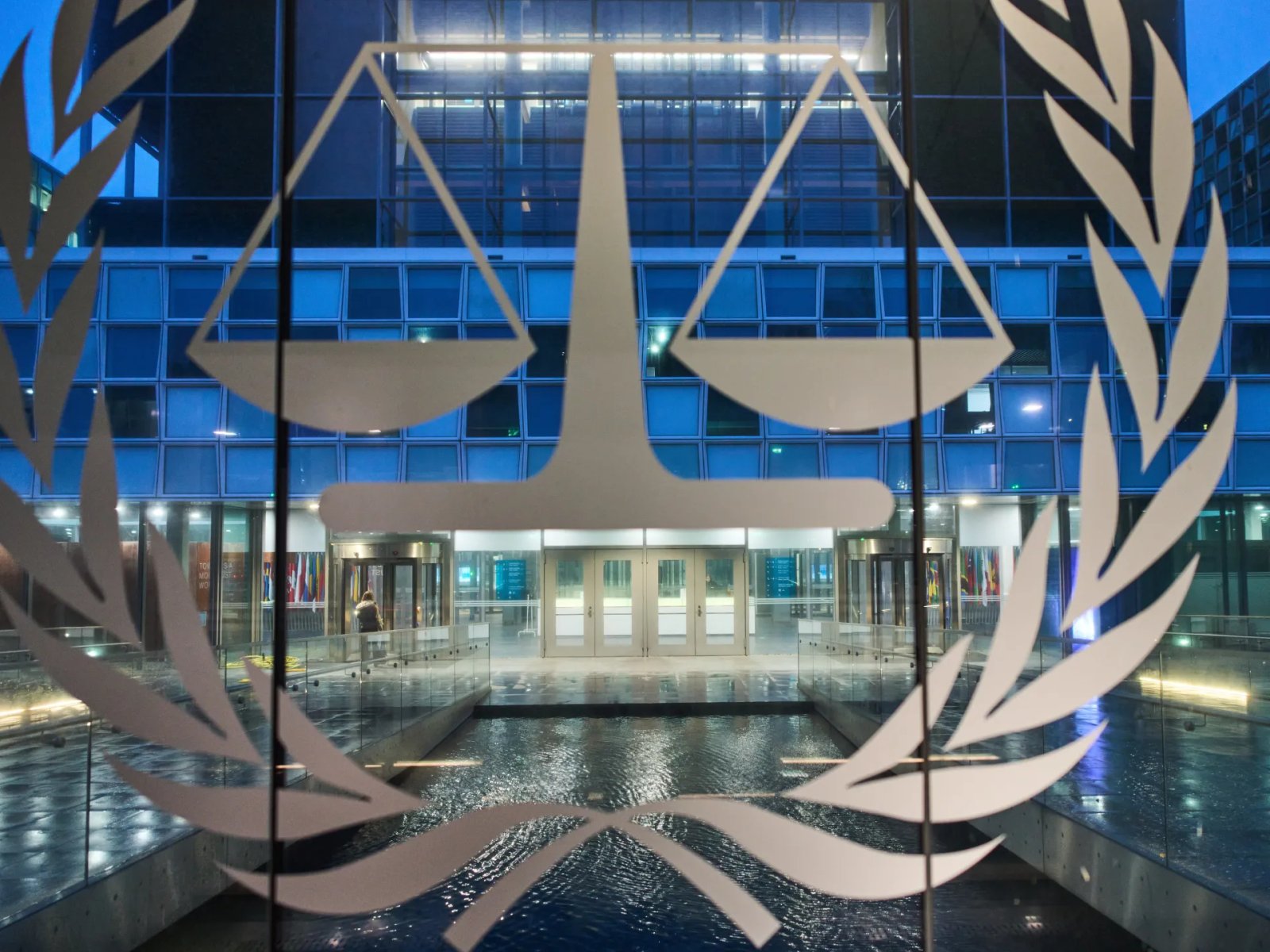
But what will international law have to say about the violence and atrocities being waged against the Lebanese people? The answer will depend in large part on whether Lebanon finally decides, as Palestine did, to join the International Criminal Court (ICC).
We know so much about the atrocities committed against civilians in Gaza because of how central international criminal law is to the Palestinians’ plight. Palestine has sought accountability for a litany of international crimes – war crimes, crimes against humanity, and genocide – since becoming a member of the ICC in 2015. While this has yet to result in any prosecutions, it did produce arrest warrants for Israeli Prime Minister Benjamin Netanyahu and former Defence Minister Yoav Gallant on charges of war crimes and crimes against humanity committed in Gaza.
A similar focus is missing for Lebanon. While states have expressed modest support for Lebanon in response to Israeli aggression, accountability for atrocities has not been front and centre in coverage of Israeli operations in Lebanon. One reason is that Lebanese authorities haven’t exhausted avenues available under international law to address the atrocities facing their citizens – including the ICC.
In April 2024, Lebanon almost gave the court jurisdiction over the country. The Council of Ministers instructed the foreign minister to declare that the ICC could exercise jurisdiction from October 7, 2023. That move followed Israel’s killing of journalist Issam Abdallah and reports detailing Israel’s use of white phosphorus against civilians – a war crime.
Even though Israel is not an ICC member, Lebanon’s joining the court would give the ICC jurisdiction over Israeli atrocities committed on Lebanese territory as well as those committed by any Lebanese citizens, including Hezbollah.







 United Arab Emirates Dirham Exchange Rate