
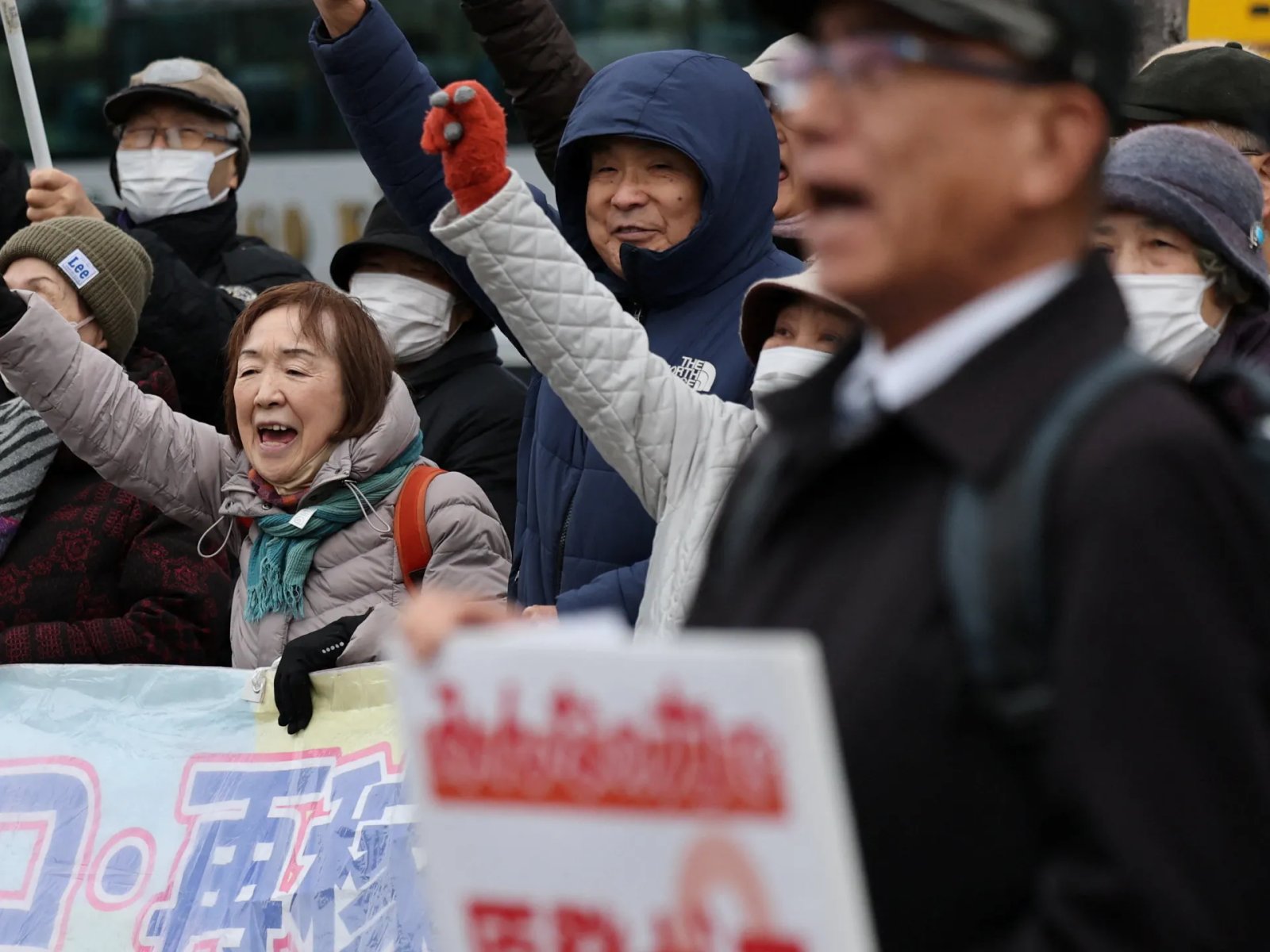
Japan is set to restart the world’s largest nuclear power plant as it turns back to the energy source a decade and a half after the Fukushima disaster prompted a nationwide shutdown of reactors.
Tokyo Electric Power Co (TEPCO) said on Wednesday that it was “proceeding with preparations” and aimed to restart operations at the Kashiwazaki-Kariwa plant in Niigata province at 7pm (10:00 GMT). However, safety concerns persist.
The nation’s trust in its nuclear energy infrastructure was destroyed by the 2011 triple meltdown at Fukushima, which was run by TEPCO, following a colossal earthquake and tsunami.
Just one reactor of the seven at Kashiwazaki-Kariwa will be restarted on Wednesday. When fully operational, the plant will generate 8.2 gigawatts of electricity, enough to power millions of households.
The plant is spread over 4.2sq km (1.6sq miles) of land in Niigata, on the coast of the Japan Sea.
Japan, which has suffered setbacks in its offshore wind rollout, is switching its focus back to nuclear power to strengthen energy security and reduce reliance on imported fossil fuels.
Kashiwazaki-Kariwa is the 15th plant to be restarted out of 33 that remain operable. Japan shut down all its 54 reactors in the wake of the 2011 disaster.







 United Arab Emirates Dirham Exchange Rate