
Amid a fragile ceasefire in Lebanon, President Joseph Aoun is preparing for what some claim would be a “historic trip” to Washington. It appears that United States President Donald Trump may pressure him into meeting Israeli Prime Minister Benjamin Netanyahu. If this summit takes place, it would be the first in history.
But a symbolic meeting would not be enough to resolve the conflict in Lebanon, which has deep historical roots and a wide geopolitical reach.
Despite the ceasefire, Israel continues to occupy parts of southern Lebanon. The aim of the ongoing operation, as declared by Defense Minister Israel Katz, is to establish a “security zone” over the entire area south of the Litani River – which represents 10 percent of Lebanon’s national territory.
The civilian population has been barred from returning to their homes while Israeli forces have continued bombing and mass demolition. Netanyahu appears to be using the narrative of “destroying Hezbollah” to cover up what is really a campaign of mass destruction and human relocation.
It is important to note that the occupation of lands south of the Litani River is not just a military objective for Israel. It is a historical aspiration.
In 1918, Yitzhak Ben-Zvi, the future second and longest-serving Israeli president, and David Ben-Gurion, the future first Israeli prime minister, published a book entitled The Land of Israel in which the two authors described “our country” as stretching from the Litani River to the Gulf of Aqaba.
In 1919, during the Paris Conference, the formal meeting of the victorious Allied Forces to set the peace terms following the end of World War I, a delegation of the World Zionist Organization led by Chaim Weizmann presented a memorandum for a Jewish state extending to the Litani River, as well as over the Sinai and other territories beyond the borders of today’s Israel.
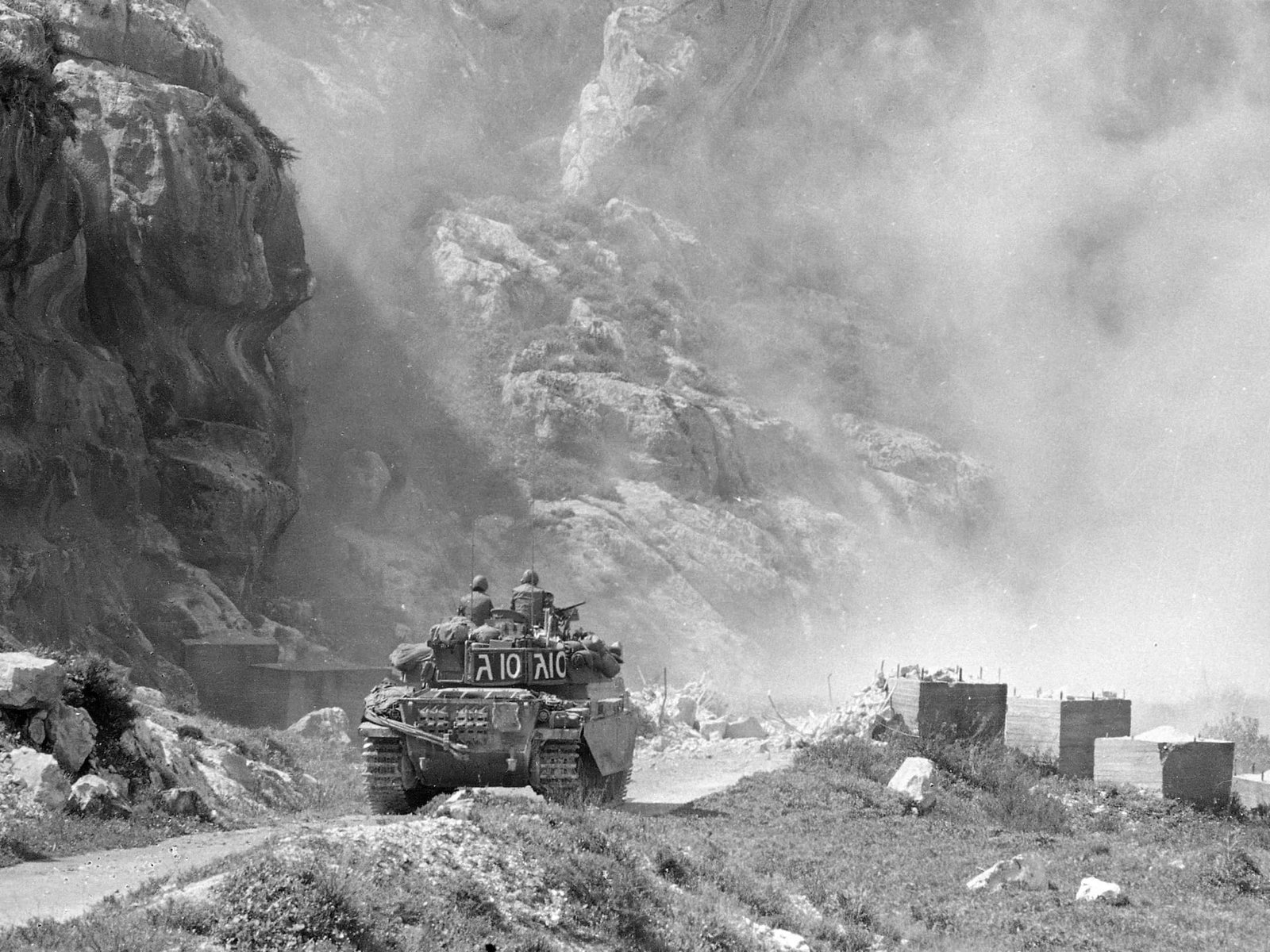
During the war of 1948, the newly created Israeli state turned its gaze towards southern Lebanon, the country with the smallest army in the region. In October of that year, the Israeli army conquered the village of Hula without encountering any form of resistance. More than 80 defenceless villagers were killed. The main perpetrator of that massacre, Shmuel Lahis, was sentenced to just one year in prison and after receiving a presidential pardon in 1955, he became the director-general of the Jewish Agency.
Many villages, like Qadas and Saliha, adjacent to the Lebanese-Israeli border, witnessed similar massacres and deportations. Meanwhile, as a result of what the Palestinians call the Nakba (catastrophe), 100,000 Palestinian refugees were forced to move to Lebanon. The current demography in southern Lebanon has to be seen in light of these dynamics and scars.







 United Arab Emirates Dirham Exchange Rate