
On May 1, much of the world celebrates International Workers’ Day, or May Day, honouring workers’ rights and the history of the labour movement. A public holiday in many countries, May Day has traditionally been stifled in the United States, a nation that has never been big on either international labour solidarity or workers’ rights.
The US and its tagalong to the north, Canada, instead celebrate their own exclusive Labour Day in September. But the origins of May Day lie in the US itself, where, on the first of May in the year 1886, mass strikes on behalf of an eight-hour workday broke out and were quickly met with deadly police repression.
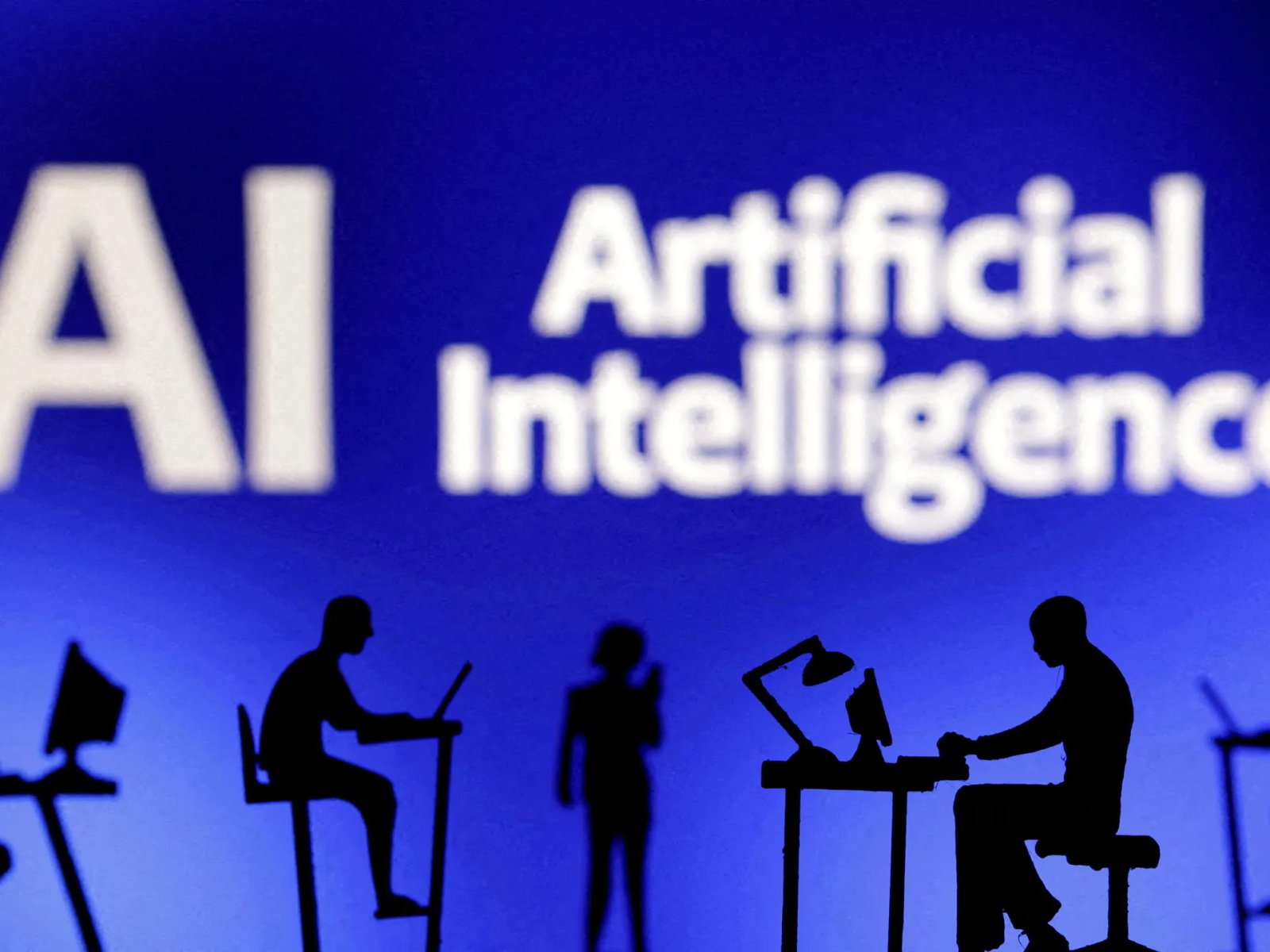
Nowadays, workers’ rights are under fire from another direction: artificial intelligence (AI), which threatens the very right of workers to, well, work.
In January, Amazon – the second-largest employer in the US after Walmart – moved to lay off 16,000 employees, the latest round of sweeping layoffs on account of AI. In October 2025, The New York Times reported that the company had plans “to replace more than half a million jobs with robots”.
The US presently leads the world in AI development – an unsurprising development given the country’s special relationship with die-hard capitalism and the idea that workers should perform like machines. What more logical next step than to replace them with machines altogether?
I, myself, generally try to avoid the US at all cost, having found it sufficiently creepy and alienating long prior to the AI takeover. On a recent trip to San Francisco, the world’s leading AI and tech hub, I found that the landscape had been rendered ever more dystopian by ubiquitous billboards and other signage pushing AI down everyone’s throats.
I was in town visiting a young Colombian man I had met in the Darien Gap, the deadly migration crossroads of the Americas, as he made his way north in pursuit of the American dream or at least enough money to survive. He was now working construction in the San Francisco Bay Area, which I had figured was at least one profession immune from AI disruption, but the internet informed me that I was wrong.
Driving into the city, it was difficult to spot a billboard promoting anything but AI. One local advertising campaign, courtesy of the San Francisco-based AI agency Artisan, had repeatedly made headlines for its overtly callous nature. The company’s posters offered a range of advice: “Stop Hiring Humans”; “The Era of AI Employees Is Here”; and “Artisans Won’t Complain About Work-Life Balance”.
Artisan CEO Jaspar Carmichael-Jack, 24, has been quoted as defending the campaign as intentionally “provocative” and suggesting that his firm’s aim wasn’t really as inhumane as it seemed: “We’re going after replacing the work that people don’t want to do so they can do the work they actually enjoy.”






 United Arab Emirates Dirham Exchange Rate