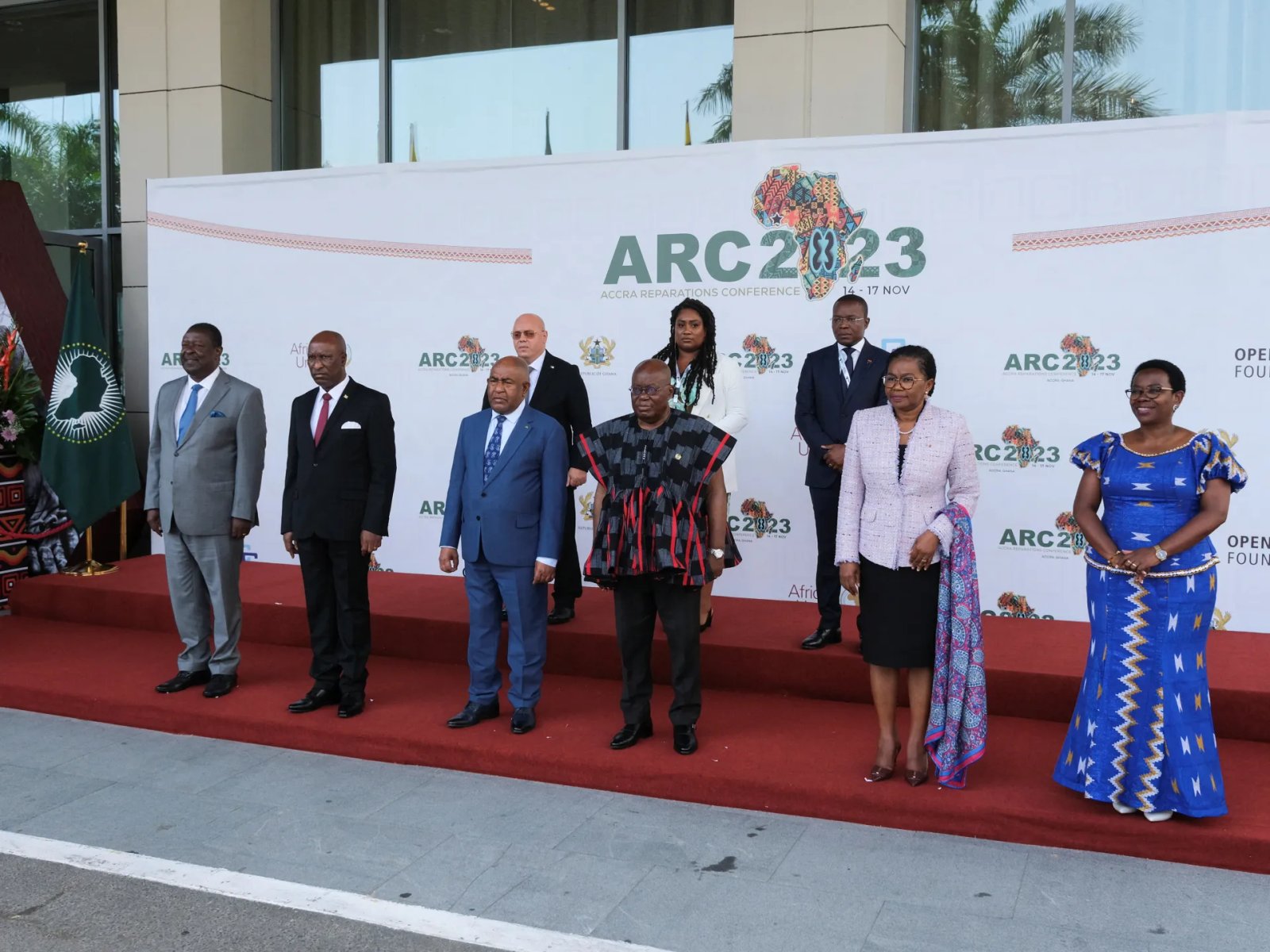
On March 25, the International Day of Remembrance of the Victims of Slavery and the Transatlantic Slave Trade, the United Nations General Assembly passed a landmark resolution. Proposed by Ghana, it recognised the transatlantic slave trade as the “gravest crime against humanity” and called for reparations. A total of 123 countries supported the resolution; three opposed it, including the United States and Israel, while 52 abstained, Britain among them, and several European Union countries.
The UN’s slavery resolution is a historic moment, but what comes next is even more important. Leading up to the resolution, the African Union urged its 55 member states to pursue slavery reparations through formal apologies, the return of stolen artefacts, financial compensation, and guarantees of non-repetition.
This raises a question the resolution does not directly ask: reparations from whom, and to whom? If the answer is simply from European governments to African governments, then the reparations movement risks ignoring the long history of European engagement with Africa, and in doing so delivering justice to the wrong people.
The contemporary framing of the reparations debate is seductive in its simplicity: Europeans arrived in Africa, Africans were enslaved, Europeans grew rich, and Africans became impoverished. Therefore, Europe owes Africa. This narrative carries moral force, but it risks flattening the complex history of European engagement with the continent.
While European actors undeniably drove the demand for enslaved labour, African political and economic elites were not passive victims. They played a significant role in capturing, transporting and selling enslaved people to European traders.
In some cases, African states, seeking to expand their treasuries and consolidate territorial power, preyed on neighbouring communities, condemning them to enslavement for profit. The Oyo Empire, a powerful Yoruba state in what is now south-western Nigeria, expanded significantly in the eighteenth century through its participation in this commerce. Across the region, African elites who had the means sustained the system by exchanging enslaved people for European goods such as alcohol, textiles and other manufactured commodities.
None of this diminishes European culpability in the slave trade. The demand was European. The ships were European. The plantation system was European. The racialised ideology constructed to justify slavery was European. But it does complicate the story.
The transatlantic slave trade was not solely a narrative of African victimhood and European perpetration. It is a story of elite collaboration, which did not end when the slave ships stopped sailing.
The historical argument: three phases, one logic







 United Arab Emirates Dirham Exchange Rate