
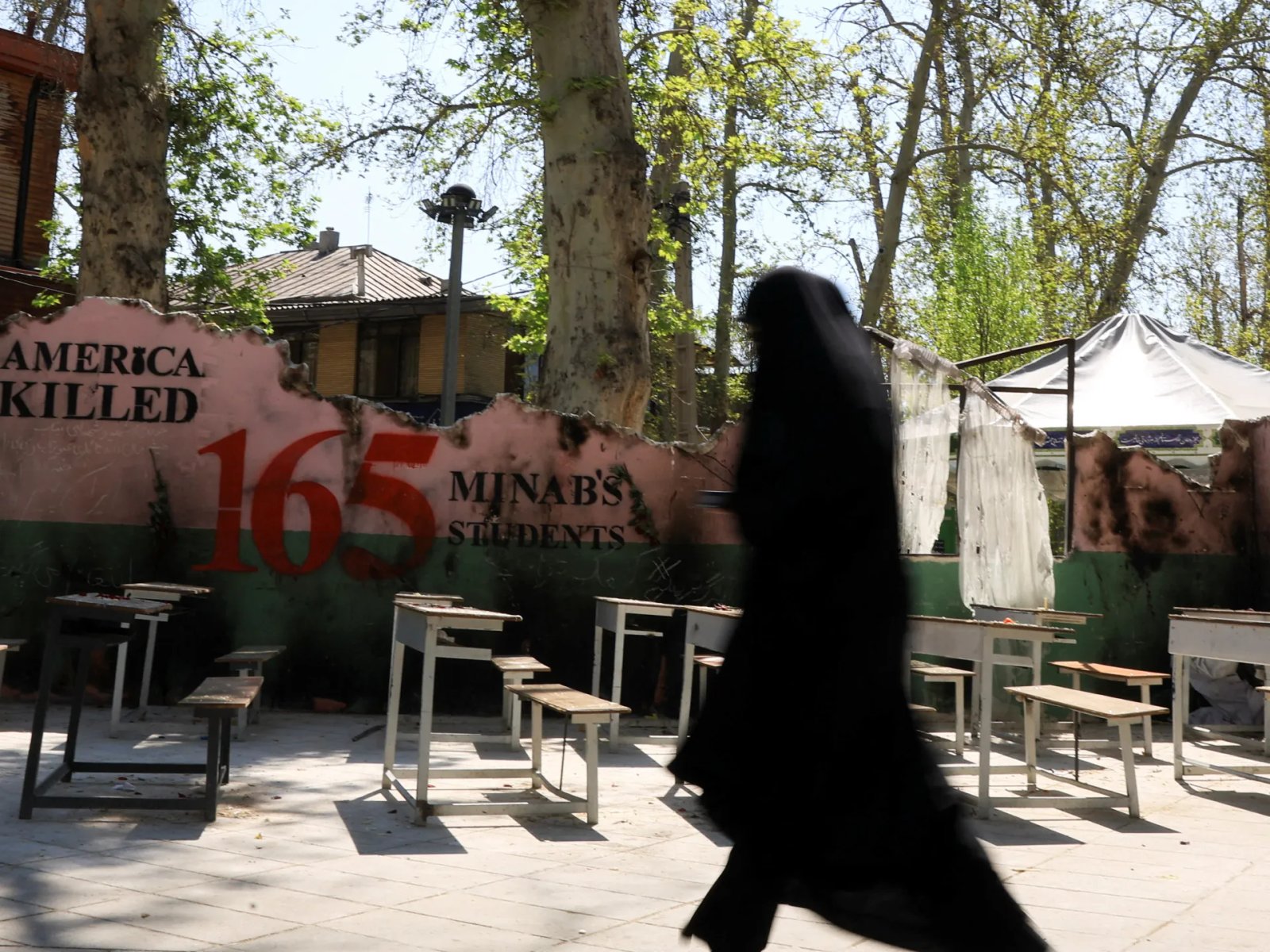
In every conflict, the calendar is as consequential as the cannon. The war that has consumed the Gulf between the United States, Israel and Iran is no exception. Beyond their primary adversaries, each of the three protagonists is battling time. Each is operating on a different political clock, facing a unique and potentially lethal deadline.
In January 2025, Donald Trump returned to office with a philosophy of rapid-fire diplomacy, prioritising the art of the deal over the machinery of war. He dispatched Steve Witkoff to Oman and set a 60-day deadline. He genuinely believed that a sharp, decisive shock to Iran’s leadership would produce regime collapse within days, an expectation apparently reinforced by the Mossad and Netanyahu. It did not.
When that quick victory failed to materialise, the US found itself in a war of attrition in which time is on Iran’s side. Professor John Mearsheimer of the University of Chicago was blunt: “Trump committed a colossal blunder.” The problem is structural: Iran holds substantial leverage over the global economy through the Strait of Hormuz and its continued ability to penetrate Gulf states’ and Israeli air defences, leaving the US with no clear exit strategy.
The domestic political cost is already severe. US crude oil jumped past $90 per barrel, up from $67 the day before the war broke out. Inflation climbed at an annual rate of 3.3 percent in March, with gasoline prices rising 21.2 percent, while higher energy costs accounted for nearly three-quarters of the monthly rise in the consumer price index.
Trump’s approval rating on the economy has hit an all-time low of 29 percent, and even 40 percent of Republicans now disapprove of his handling of inflation and rising prices.
The president is in a precarious political position, seven months before the midterm elections, facing his lowest approval ratings and presiding over an unpopular war. Even if the conflict ends soon, voters could still be grappling with pain at the petrol pump deep into the election season, as Republicans struggle to defend razor-thin majorities in Congress.
The cruel irony is that the man who promised to bring prices down may have personally ignited the biggest energy shock in a generation. “All the issues that brought down Joe Biden are now threatening to bring down Trump and Republicans in the midterm,” warned one Republican strategist.
Iran’s calculus is equally time-sensitive, but inverted. Where Trump needs a quick exit, Tehran’s survival strategy depends on endurance. The war, which began on February 28, 2026, inflicted enormous damage on Iran: The killing of Supreme Leader Ali Khamenei and senior military officials, strikes on nuclear infrastructure and a devastating economic shock. Yet the regime has not collapsed.
Mearsheimer argued that Iran’s vast landmass and dispersed military assets made it difficult to weaken decisively through rapid strikes and that even sustained military operations would be unlikely to dismantle its capabilities. Iran retains significant deterrent capacity, including missile systems and a network of regional allies, enabling it to sustain a prolonged confrontation.





 United Arab Emirates Dirham Exchange Rate